Telemedicine allows remote doctor visits, transforming how patients access healthcare in the modern digital era. By combining technology with medical expertise, telemedicine removes traditional barriers such as distance, time constraints, and overcrowded clinics. As healthcare systems evolve, virtual consultations are becoming an essential solution for both patients and providers.
What Is Telemedicine?
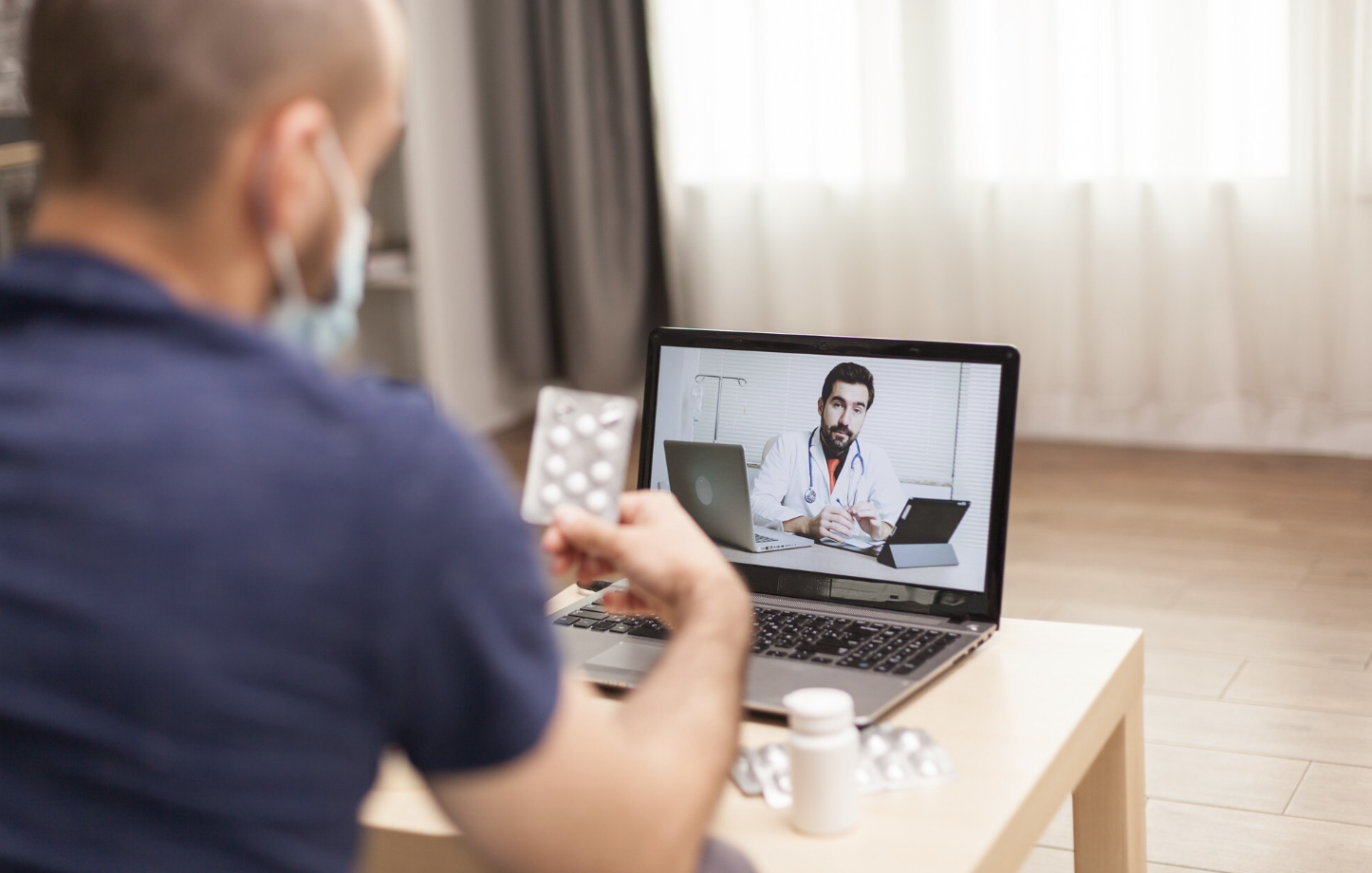
Telemedicine refers to the use of digital communication tools such as video calls, mobile apps, and online portals to provide medical services remotely. Through telemedicine, patients can consult qualified doctors, receive diagnoses, discuss treatment plans, and obtain prescriptions without visiting a physical healthcare facility.
This innovative approach ensures that medical care is accessible anytime and anywhere, especially for individuals in remote or underserved areas.
How Telemedicine Enables Remote Doctor Visits
Telemedicine allows remote doctor visits by using secure platforms that connect patients and healthcare professionals in real time. These platforms support:
- Video consultations for face to face interaction
- Audio calls for quick medical advice
- Chat based communication for follow ups and minor concerns
- Digital records for sharing test results and medical history
This seamless process ensures continuity of care while maintaining patient privacy and data security.
Key Benefits of Telemedicine
1. Improved Accessibility
Telemedicine makes healthcare accessible to patients who live far from hospitals or have mobility challenges. A stable internet connection is often all that is needed to consult a doctor.
2. Time and Cost Efficiency
Remote doctor visits reduce travel time, waiting periods, and transportation costs. Patients can receive medical advice from the comfort of their homes, making healthcare more efficient.
3. Faster Medical Attention
With telemedicine, patients can quickly connect with doctors for non-emergency issues. Early consultations help prevent minor health problems from becoming serious.
4. Reduced Healthcare Burden
Telemedicine eases pressure on hospitals and clinics by managing routine consultations online. This allows healthcare providers to focus on critical cases.
Telemedicine in Everyday Healthcare
Telemedicine is widely used for general consultations, mental health support, chronic disease management, and post treatment follow ups. It is also effective for monitoring patients through wearable devices and health apps, ensuring continuous care beyond traditional settings.
As technology advances, telemedicine is expanding into specialized fields, further improving healthcare outcomes.
Challenges and Considerations
While telemedicine offers numerous advantages, it requires reliable internet access and digital literacy. Additionally, not all medical conditions can be treated remotely, making in-person visits necessary in certain cases. However, with ongoing technological improvements, these challenges are gradually being addressed.
The Future of Telemedicine
The future of healthcare is increasingly digital. Telemedicine allows remote doctor visits to become a standard practice rather than an alternative. With innovations such as artificial intelligence, remote monitoring, and secure health platforms, telemedicine will continue to enhance patient care and efficiency.
Conclusion
Telemedicine allows remote doctor visits, making healthcare more accessible, affordable, and efficient. By bridging the gap between patients and doctors, telemedicine is reshaping the healthcare landscape. As adoption grows, virtual care will play a vital role in delivering quality medical services worldwide.