
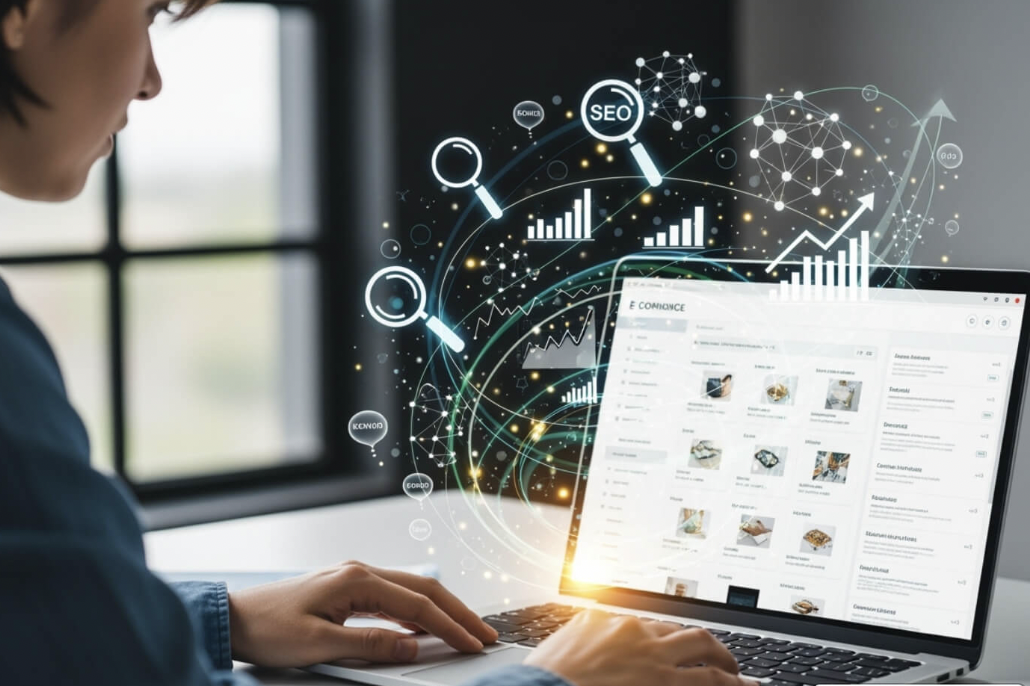
Shopify offers speed, simplicity, and scalability for online sellers. However, strong competition demands smart SEO execution. Therefore, optimized stores gain visibility, trust, and consistent revenue. Moreover, search friendly practices improve user experience and conversions. This guide delivers proven Shopify SEO strategies for lasting growth.
Understanding Shopify SEO Foundations
Shopify SEO focuses on optimizing store structure, content, and performance. Search engines favor clear architecture and relevant information. Consequently, proper setup increases crawlability and indexation. Additionally, optimized stores rank faster for commercial keywords. Strong foundations support every future SEO effort.
Keyword Research That Converts Buyers
Effective keyword research targets buyer focused search intent. First, focus on long tail keywords with clear purchase signals. Next, analyze competitor product pages for keyword inspiration. Meanwhile, use Shopify analytics to identify converting terms. Ultimately, relevant keywords drive qualified traffic and higher sales.
Optimizing Shopify Site Structure
A clean structure helps users and search engines navigate easily. Therefore, organize products into logical collections and categories. Also, keep URLs short, descriptive, and keyword focused. Additionally, avoid deep nesting that limits crawl efficiency. Simple structures improve rankings and reduce bounce rates.
Creating SEO Friendly Product Pages
Product pages drive most Shopify organic traffic. Hence, unique product descriptions prevent duplicate content issues. Moreover, include primary keywords naturally within copy. Additionally, highlight benefits, features, and use cases clearly. Optimized pages build trust and improve conversion rates.
Writing Compelling Meta Titles and Descriptions
Meta tags influence click through rates significantly. Therefore, craft keyword rich titles under sixty characters. Meanwhile, write persuasive meta descriptions under one hundred sixty characters. Also, include action oriented language to attract buyers. Higher clicks signal relevance to search engines.
Optimizing Images for Faster Performance
Images enhance appeal but impact loading speed. Thus, compress images without reducing visual quality. Also, use descriptive file names with target keywords. Additionally, add accurate alt text for accessibility. Optimized images improve rankings and user experience.
Improving Shopify Page Speed
Page speed directly affects rankings and conversions. Therefore, choose lightweight themes optimized for performance. Moreover, remove unused apps that slow down loading times. Additionally, enable browser caching and lazy loading. Fast pages keep visitors engaged and reduce abandonment.
Leveraging Content Marketing for Shopify SEO
Content builds authority and attracts organic links. Hence, publish blogs answering customer questions. Also, target informational keywords related to products. Meanwhile, internal links guide visitors toward conversions. Consistent content strengthens long term SEO growth.
Internal Linking for Better Crawl Flow
Internal links distribute authority across your store. Therefore, link relevant products within blogs naturally. Also, connect collections with supporting content pages. Additionally, use descriptive anchor text for clarity. Strategic linking improves indexing and rankings.
Building High Quality Backlinks
Backlinks remain a strong ranking factor. Thus, earn links through partnerships and guest posting. Also, collaborate with influencers for product mentions. Meanwhile, avoid spammy links that harm credibility. Quality backlinks increase trust and domain authority.
Optimizing Shopify for Mobile Users
Mobile traffic dominates e-commerce searches. Therefore, use responsive themes optimized for mobile devices. Also, ensure buttons and menus remain easy to use. Additionally, test layouts across multiple screen sizes. Mobile optimization boosts rankings and sales.
Using Structured Data for Rich Results
Structured data enhances search appearance. Hence, enable product schema for prices and reviews. Also, add breadcrumb schema for navigation clarity. Moreover, rich results improve visibility and click rates. Enhanced listings attract qualified traffic.
Tracking Performance and Continuous Optimization
SEO requires consistent monitoring and improvement. Therefore, track rankings, traffic, and conversions regularly. Also, analyze Search Console reports for errors. Meanwhile, update content based on performance insights. Ongoing optimization sustains long term growth.
Final Thoughts on Shopify SEO Success
Shopify SEO success depends on strategy and consistency. Therefore, focus on relevance, speed, and user experience. Moreover, combine technical optimization with valuable content. Additionally, adapt strategies as algorithms evolve. Smart SEO transforms Shopify stores into traffic and sales machines.