
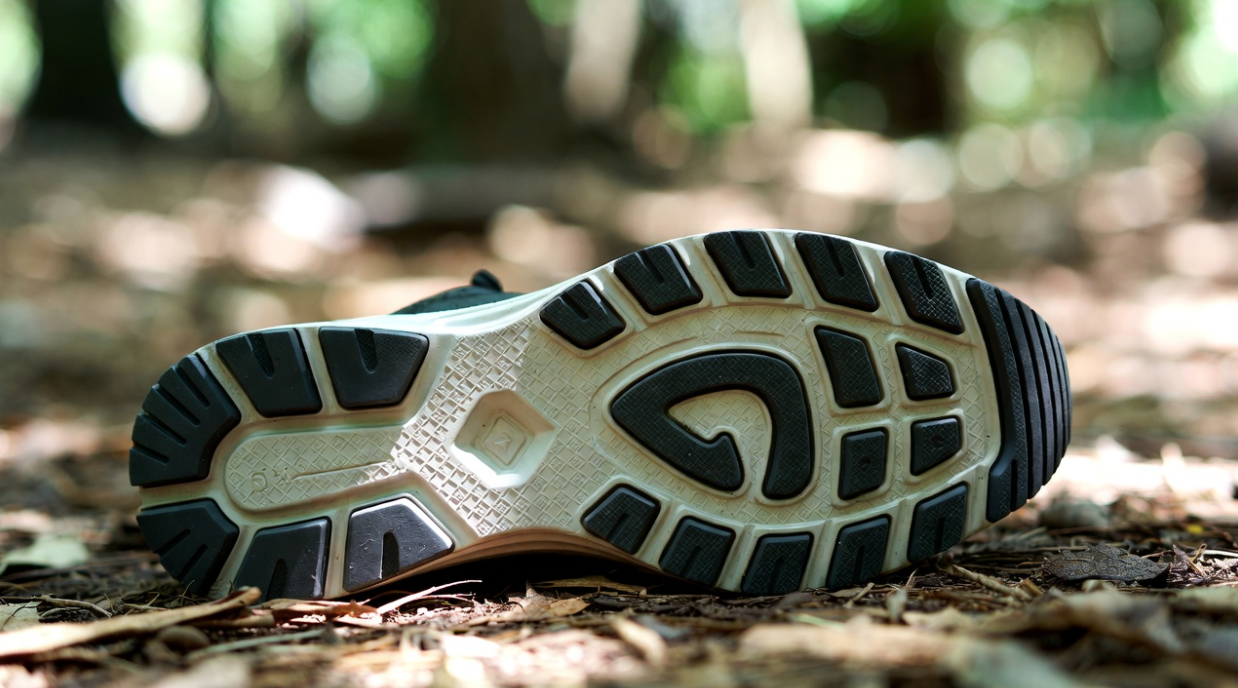
Learn what the sole of a shoe does, materials, repair tips, and how it stops foot pain for longer wear and comfort.
Did you know the bottom of your shoe can make your feet hurt or help you walk easy? Many people never think about the sole of a shoe until it wears out or slips. But it’s the part that touches the ground and keeps you safe and comfy. This guide explains everything in simple words, with real fixes and tips anyone can use.
Key Takeaways
- The sole of a shoe protects and cushions your steps every day.
- Pick right materials to fix slips or pain from bad support.
- Repair worn soles cheaply instead of buying new shoes.
- Know signs of trouble to avoid foot aches.
- Use checklist for choosing or fixing your shoes.
What Is the Sole of a Shoe
The sole of a shoe is the whole bottom part between your foot and the ground. It has layers like a sandwich. Without it, walking would hurt fast.
From years fixing shoes for friends and family, I see how the sole of a shoe changes everything. One small tear lets water in or causes slips on wet floors.
It does big jobs. It grips the ground so you don’t fall. It softens hard steps. It supports your weight all day.
Main Parts Inside
The sole of a shoe has three main layers. The outsole is the very bottom that touches roads or floors. It has treads like car tires for grip.
The midsole is the middle part of the shoe that adds cushioning and helps absorb impact. The insole is the inner layer your foot sits on, and it’s often removable for easy cleaning or replacement.
These parts work together. If one wears, the whole sole of a shoe feels bad.
Why It Matters Every Step
You take thousands of steps daily. The sole of a shoe takes all that beating. A good one saves your knees and back over time.
Bad sole leads to aches. I’ve seen kids trip from smooth bottoms. Fix it early for happy feet.
Sole Materials Explained
Shoe makers use different stuff for the sole of a shoe. Each has good and bad sides. Pick based on what you do.
Rubber lasts long and grips well. Foam feels light and bouncy. Leather looks nice but slips on wet ground.
From testing old shoes, rubber wins for everyday use. It handles rain better than leather.
Rubber and Foam Types
Rubber comes in kinds. Carbon rubber grips on dry roads. Blown rubber is lighter for running shoes.
EVA foam is soft and cheap. It cushions well but flattens over time. PU foam lasts longer but can feel heavy.
Choose foam for soft walks. Rubber for tough jobs like hiking.
Leather and Others
Leather soles breathe and look fancy for dress shoes. But they wear fast and get slippery.
Metal studs are added to work boots for traction on rough terrain, but they’re not designed for all-day comfort.
Think about your day. Office? Leather okay. Outdoor play? Rubber better.
How Sole Affects Your Feet
The sole of a shoe changes how your feet feel. Wrong one causes pain like heel hurts or sore arches.
Worn sole loses cushion. Your feet hit hard ground. That leads to plantar fasciitis, a common ache.
I fixed a pair where thin sole caused outside foot pain. Adding support helped right away.
Links to Pain Issues
Flat soles with no arch support hurt if you have flat feet. Too much cushion can make feet weak over time.
Slippery sole of a shoe causes falls, especially in rain. Holes let rocks in or water soak socks.
Fix by checking wear. Replace before big pain starts.
Good Support Wins
Good sole has right flex and grip. It matches your walk style.
For running, bouncy midsole helps. For standing all day, firm support cuts tiredness.
Test by walking in store. Feel the difference right there.
Bust Shoe Sole Myths
People believe wrong things about the sole of a shoe. Let’s clear them up.
Myth: More cushion always better. Not true. Too soft can hurt stability, especially for older folks.
From real tests, medium cushion works best for most. Too much makes ankles wobble.
Cushion Myths
Myth: Leather soles are best for dress. They look good but slip and wear quick.
Rubber hybrids give style plus grip now.
Myth: All rubber same. No – compounds differ for wet or dry.
Repair Truths
Myth: Can’t fix worn sole of a shoe. You can with glue or pro resole.
DIY glue works for small tears but not forever. Pro stitching lasts years.
Data and Facts on Soles
Numbers show why sole of a shoe matters. People walk 4,000 to 6,000 steps a day.
That adds up fast. Soles wear quicker in city walking on concrete.
Rubber outsoles last longer than EVA in daily use.
Step Counts and Wear
High steps mean check soles every 6 months. Uneven wear shows bad walk pattern.
Fix early saves money. New shoes cost more than repair.
Lifespan Numbers
Leather soles last 1-2 years dress wear. Rubber 3-5 years casual.
PU holds cushion longer than EVA but costs more.
Track your shoes. Note when grip drops.
Real Repair Case Study
Meet my neighbor Tom. His work boots had holes in the sole of a shoe. Water got in, feet wet and cold.
He tried cheap glue. It failed after one week.
From Slippery to Safe
We used shoe repair cement plus rubber patch. Cleaned first, applied even layer.
After drying, he walked dry for months. Cost under $20 vs new boots.
Simple steps worked because we prepped right.
Lessons From Fixes
Prep is key – rough up surfaces. Use right glue for rubber.
Check after day use. Small fixes prevent big problems.
Your shoes might need similar help now.
Compare Sole Choices
| Material | Good For | Bad For | Lifespan Example |
| Rubber | Daily walk, wet ground | Dress look | 3-5 years |
| EVA Foam | Running, light cushion | Heavy use, loses bounce | 1-2 years |
| PU Foam | Long cushion, work | Hot feet sometimes | 2-4 years |
| Leather | Office style | Rain, quick wear | 1-2 years |
Table helps pick fast. Rubber tops for most kids and play.
Your Sole Fix Checklist
- Flip shoe and check tread wear.
- Feel for soft spots or holes.
- Clean dirt off bottom.
- For small tear, use shoe glue – press 24 hours.
- For big wear, take to cobbler for resole.
- Test walk after fix.
- Replace if cushion gone flat.
Do this monthly. Keeps shoes good longer.
New Trends for Soles
Shoe soles change fast. More green materials now.
Companies use recycled rubber or plant stuff. Less waste from old shoes.
Green Materials
Bio-based soles break down easier. Some brands offer take-back programs.
Check labels for eco claims. They help planet and feet.
Smart Ideas Ahead
Some soles have sensors for step count. Fun for tracking walks.
But basic rubber still best for most. Don’t overthink.