
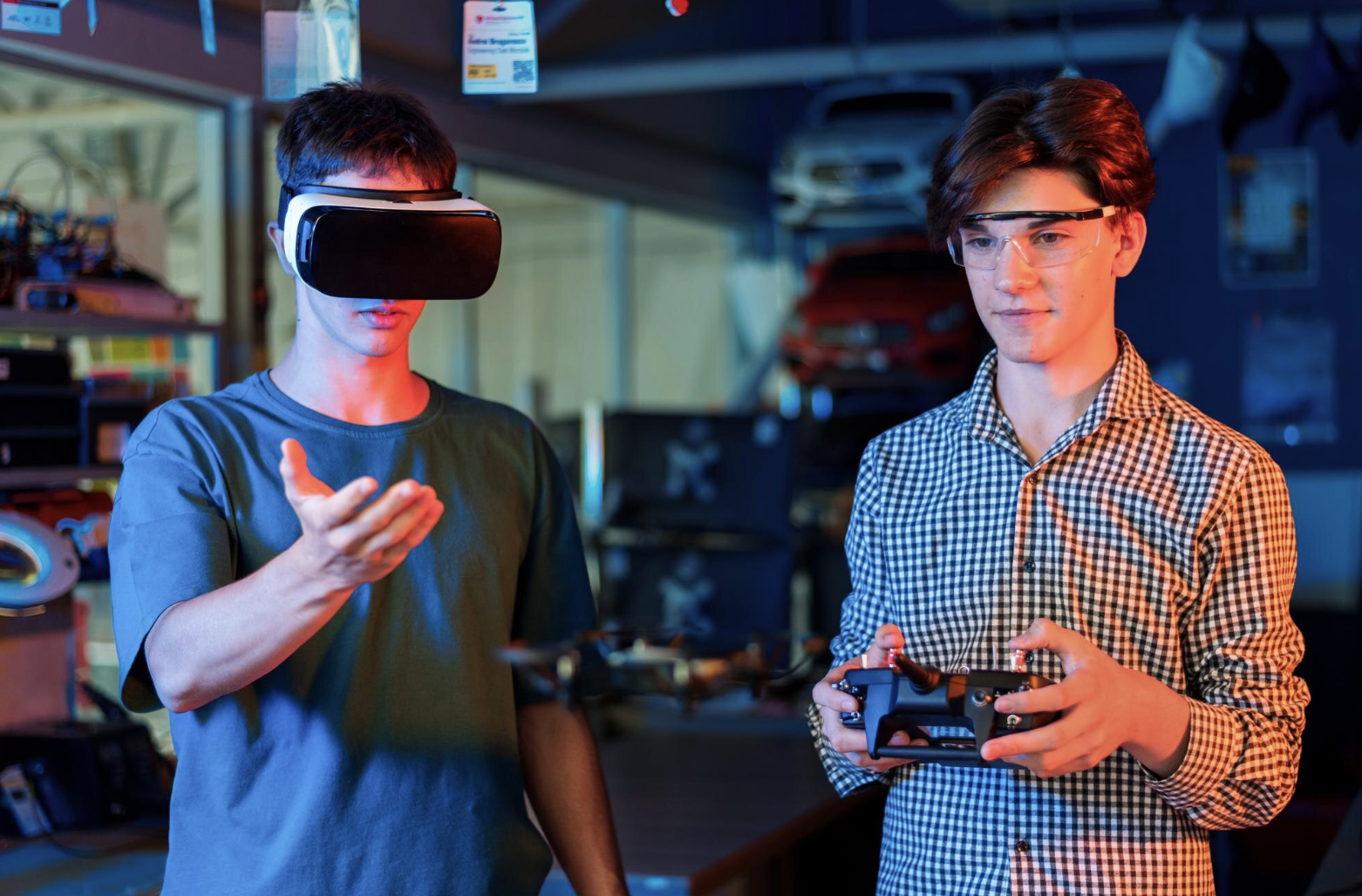
Immersive simulation tools are changing human interaction with computerized environments. These systems generate artificial three dimensional spaces. Participants perceive presence within synthetic settings. Engagement intensity increases significantly. Visual output, sound design, and movement detection merge seamlessly. This fusion delivers lifelike interactive encounters. Organizations across sectors accelerate adoption rapidly.
How Immersive Simulation Functions
Virtual environments depend on specialized equipment and adaptive programs. Wearable headsets display dual perspective imagery. Motion detection devices capture physical movement. Handheld tools enable object manipulation. Immediate feedback creates responsive interaction. Directional sound placement strengthens realism. Together, these technologies form believable digital realms.
Essential Elements Within VR Platforms
System architecture includes visual hardware, tracking units, and processing engines. Sharp display panels minimize disorientation. Fast computation lowers response delay. Optical sensors follow physical positioning accurately. Advanced graphics chips generate detailed surroundings. Stable output ensures smooth operation. Each element supports overall immersion.
Categories of Immersive Digital Experiences
Experience depth varies by design approach. Screen based formats offer limited engagement. Hybrid environments mix physical surroundings with digital overlays. Full immersion places individuals entirely inside artificial spaces. Authenticity rises with sensory involvement. Organizations select formats based on objectives. Adaptability remains a core strength.
Entertainment and Interactive Play Applications
Gaming fuels widespread interest in immersive technology. Participants navigate responsive fictional landscapes. Narrative depth improves dramatically. Event producers host simulated concerts. Amusement venues integrate digital attractions. Audiences respond enthusiastically worldwide. Participation metrics continue increasing.
Educational and Skill Development Uses
Learning environments gain strong benefits from simulated interaction. Visual exploration clarifies complex subjects. Digital laboratories enhance applied comprehension. Risk free training improves safety outcomes. Medical learners rehearse procedures virtually. Aviation professionals practice using simulators. Instructional effectiveness improves considerably.
Healthcare Advancements Through Immersion
Medical specialists use simulation tools to support treatment. Pain relief programs employ calming artificial settings. Mental wellness therapies gain new techniques. Surgical teams rehearse operations beforehand. Precision improves noticeably. Recovery routines integrate guided exercises. Patient progress strengthens consistently.
Enterprise and Professional Adoption
Organizations deploy immersive systems to boost efficiency. Remote collaboration improves through simulated meetings. Product visualization enhances buyer clarity. Design teams preview structures before construction. Property showcases reduce logistical effort. Competitive positioning strengthens across markets.
Marketing and Consumer Engagement Strategies
Promotional campaigns incorporate immersive storytelling. Brands design memorable interactive narratives. Shoppers inspect items digitally before purchase. Confidence during selection increases. Memory retention improves substantially. Sales performance often rises. Advertising approaches evolve accordingly.
Barriers Affecting Immersive Technology Growth
Expansion continues alongside practical limitations. Cost barriers restrict broader access. Wearability comfort requires refinement. Motion discomfort impacts certain participants. Content creation demands specialized expertise. Ongoing innovation targets these constraints. Availability improves gradually.
Emerging Directions in Immersive Development
Simulation platforms advance continuously. Lightweight equipment enhances usability. Cable free operation increases freedom. Adaptive intelligence personalizes environments. High speed networks reduce communication delay. Interactions feel increasingly natural. Progress signals strong potential.
Immersive Systems Within the Metaverse
Simulation technology underpins shared digital universes. Persistent environments enable continuous presence. Social interaction occurs through digital personas. Economic activity develops inside these platforms. Commercial models diversify rapidly. Foundational infrastructure expands steadily.
Importance of Immersive Interaction Today
Simulation tools redefine online engagement standards. They connect physical reality with digital abstraction. Professional training, entertainment, and education benefit equally. Operational efficiency improves through immersion. Maturity drives wider acceptance. Modern digital life becomes more participatory.
Closing Perspective
Immersive technology continues to reshape interaction models. Use cases span numerous sectors. Innovation sustains continuous refinement. Organizations and individuals adopt experiential solutions. Mainstream presence grows steadily. Future digital environments feel increasingly interactive.