
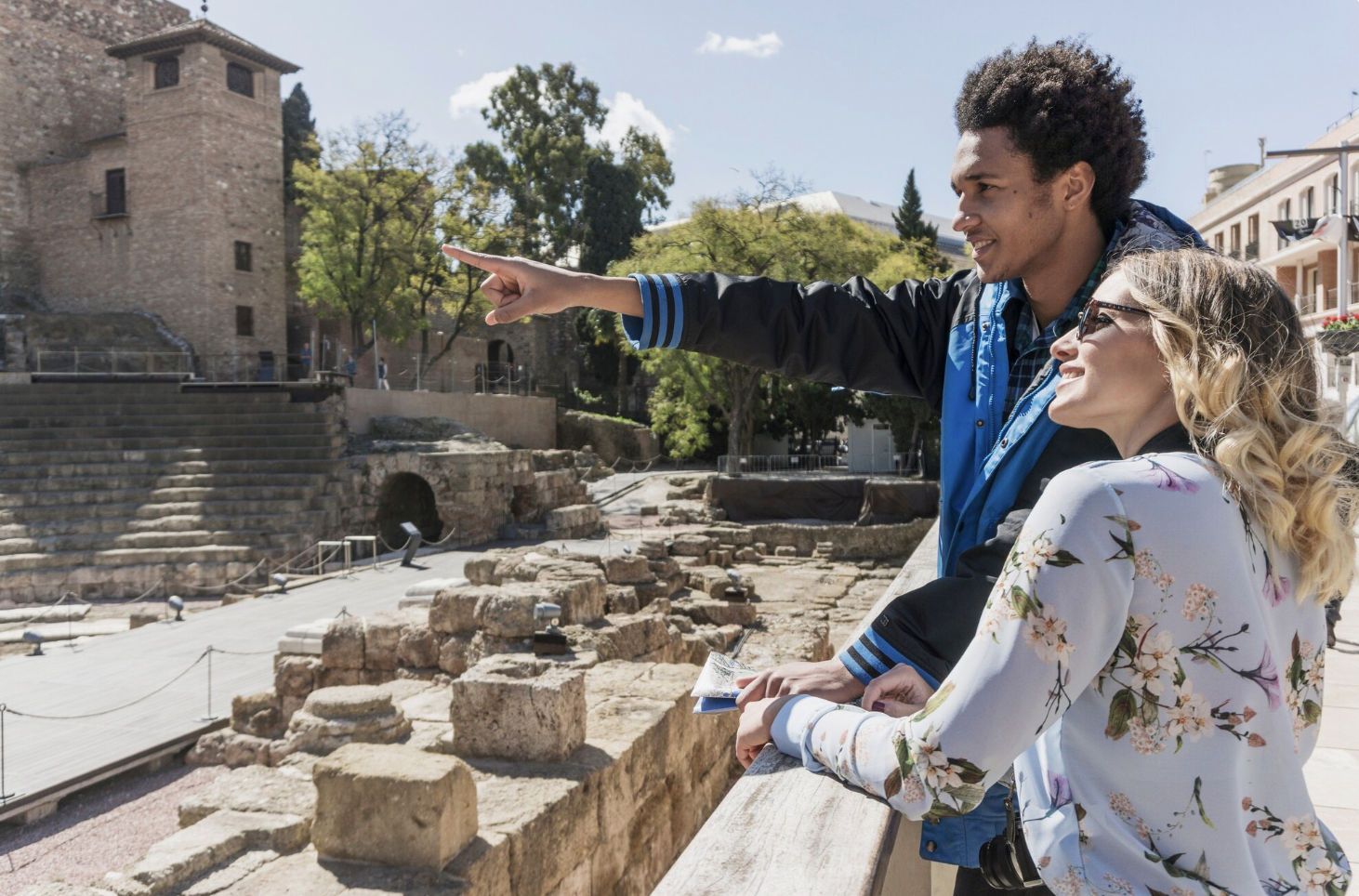
Introduction to Historical Sites
Historical sites preserve the legacy of human civilization. They connect the modern world with ancient times. These places reflect cultural values, beliefs, and traditions. Therefore, they remain essential for understanding human progress. Moreover, they inspire curiosity and respect for global heritage.
Meaning and Importance of Historical Sites
Historical sites represent physical evidence of past societies. They showcase architecture, art, and social systems. As a result, historians gain insight into earlier lifestyles. Additionally, these sites protect cultural identity. Consequently, communities feel pride in their shared history.
Ancient Historical Sites and Early Civilizations
Ancient historical sites reveal early human innovation. People built strong structures using limited technology. Therefore, these monuments still stand today. Furthermore, ancient cities show organized planning and governance. As a result, they highlight early intelligence and cooperation.
Historical Sites in Asia
Asia contains some of the world’s oldest historical sites. These landmarks reflect deep spiritual and cultural roots. For example, temples display artistic mastery and devotion. Meanwhile, ancient cities reveal advanced urban systems. Consequently, Asia attracts historians and travelers globally.
European Historical Landmarks
European historical sites show political and cultural evolution. Castles represent power and defense strategies. Meanwhile, ancient arenas reflect social entertainment. Moreover, churches display artistic and religious influence. Therefore, Europe offers diverse historical experiences.
Historical Sites in Africa
Africa holds rich and diverse historical heritage. Ancient kingdoms left behind impressive ruins. Additionally, trade centers shaped global commerce. Rock art also reveals prehistoric creativity. As a result, African history reshapes global understanding.
Historical Sites in the Americas
The Americas feature remarkable indigenous historical sites. These locations highlight scientific and architectural achievements. For instance, ancient cities show astronomical knowledge. Moreover, cultural traditions remain preserved through heritage sites. Therefore, indigenous history gains global recognition.
Cultural Value of Historical Sites
Historical sites strengthen cultural identity. People connect emotionally with heritage landmarks. These places represent shared memory and belonging. Consequently, societies protect them with pride. Furthermore, cultural continuity supports social harmony.
Educational Role of Historical Sites
Historical sites enhance learning experiences. Students understand history beyond textbooks. Visual exposure improves memory and comprehension. Moreover, real environments encourage curiosity. Therefore, education becomes engaging and effective.
Economic Benefits of Historical Sites
Historical sites support local and national economies. Tourism generates employment opportunities. Hotels, guides, and artisans benefit directly. Furthermore, infrastructure development improves community life. As a result, preservation supports economic growth.
Preservation and Conservation Efforts
Preservation protects historical sites from damage. Natural disasters threaten ancient structures regularly. Climate change increases erosion and decay. Therefore, conservation remains a priority. Governments and organizations enforce protective laws.
Role of Technology in Preservation
Technology improves conservation accuracy. Digital mapping records structural details. Virtual tours reduce overcrowding risks. Furthermore, modern restoration techniques strengthen stability. As a result, technology extends site lifespan.
Challenges Facing Historical Sites
Many historical sites face serious threats. Pollution damages surfaces over time. Overcrowding weakens structures daily. Additionally, illegal excavations cause heritage loss. Therefore, strict monitoring remains necessary.
Responsible Tourism and Public Awareness
Responsible tourism protects historical integrity. Visitors should follow site guidelines. Small actions prevent long-term damage. Moreover, guided tours increase awareness. Consequently, sites remain preserved for future generations.
Global Cooperation for Heritage Protection
International cooperation strengthens preservation efforts. Countries share expertise and resources. Global agreements protect world heritage. As a result, preservation becomes a shared mission. Humanity benefits collectively from protection.
Influence of Historical Sites on Modern Society
Historical sites inspire modern creativity. Artists and architects draw influence from heritage. These landmarks shape modern design and thought. Furthermore, history guides ethical decisions. Therefore, the past influences the present continuously.
Conclusion: Why Historical Sites Matter
Historical sites preserve humanity’s collective memory. They connect past, present, and future. Moreover, they educate, inspire, and unite cultures. Protecting them ensures cultural survival. Ultimately, historical sites define human identity and progress.