
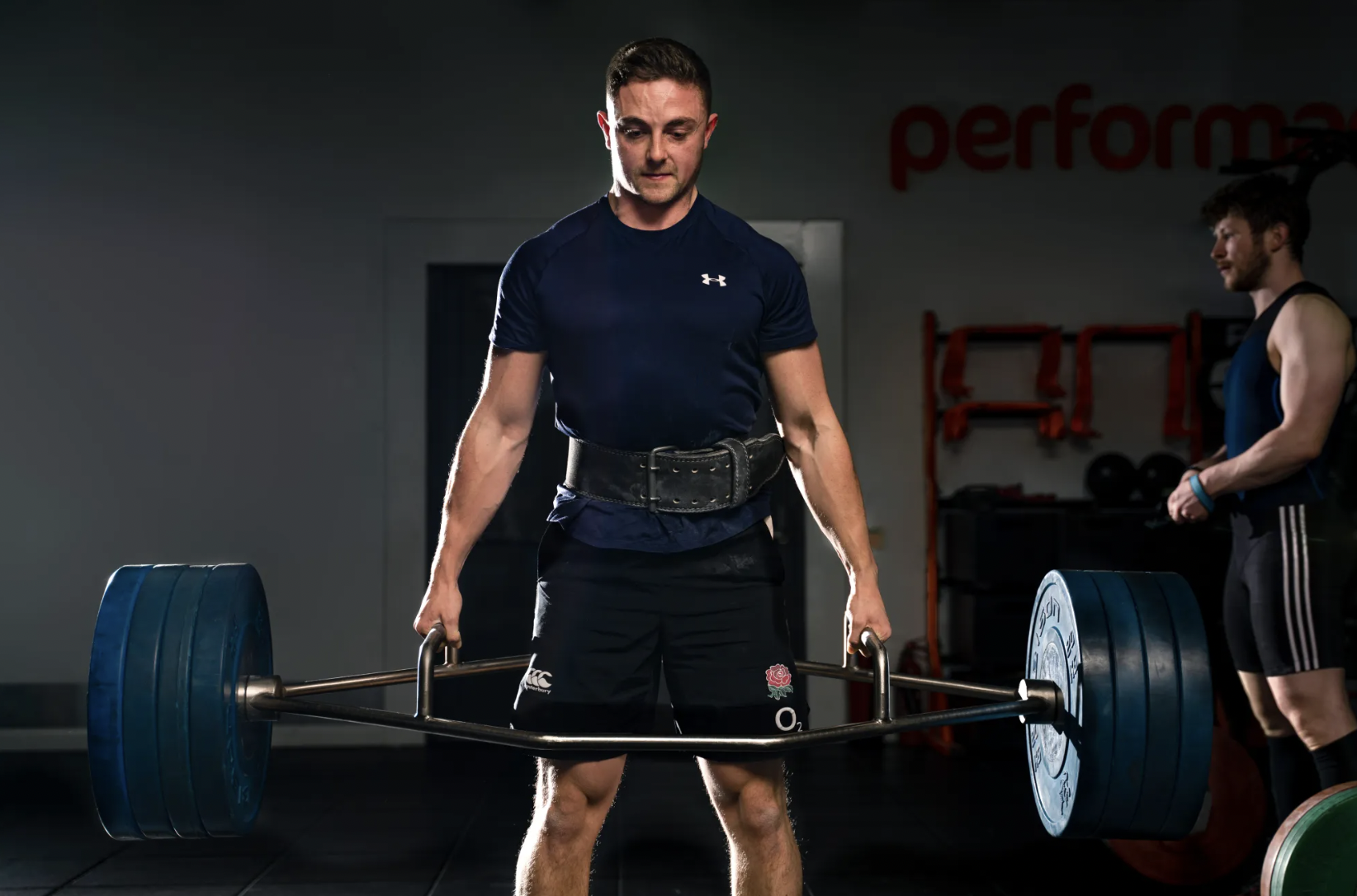
Strength walking rebuilds a forgotten human skill. People once transported food, tools, and supplies daily. Today, convenience removed that demand. As a result, posture weakens and stamina drops.
Carrying resistance during a walk activates nearly every muscle group. It also challenges balance and coordination. Moreover, it elevates heart rate without sprinting. This combination builds practical capability.
Instead of chasing extreme numbers, focus on function. Controlled resistance teaches the body to move efficiently. Consequently, joints stabilize and alignment improves.
Defining a Safe Resistance Range
Choosing proper resistance requires balance. Too little creates minimal adaptation. Too much increases strain risk.
Three elements determine suitability body mass, experience, and duration. Beginners should remain conservative. Advanced participants can tolerate more challenge.
General reference points help guide decisions:
- Entry level: 5 to 10 kg
- Moderate experience: 10 to 15 kg
- Advanced conditioning: up to 20 to 22 kg
However, terrain matters greatly. Inclines multiply stress on knees and hips. Uneven ground also increases stabilizer demand. Therefore, reduce load when surfaces become difficult.
Posture remains the best indicator. Shoulders must stay relaxed. The spine should remain neutral. If mechanics fail, decrease intensity immediately.
Lessons From Human History
Humans evolved as carriers. Archaeological findings show consistent transport of essential items. Soldiers across civilizations marched with gear for long distances.
Historical armies discovered practical upper limits. Loads around 14 to 18 kg proved sustainable. Heavier burdens reduced speed and increased fatigue. Modern military research confirms similar findings.
Importantly, adaptability develops gradually. Individuals progressed over time rather than overnight. That principle still applies today.
Recommended Ranges for Men and Women
Physiology influences carrying tolerance. Muscle distribution and skeletal structure vary. Therefore, general guidelines differ slightly.
- Men: 10 to 20 kg for functional improvement
- Women: 5 to 15 kg for similar outcomes
These figures assume healthy adults. Older individuals or injury recovery cases should begin lower.
Short sessions allow heavier resistance safely. Long treks demand lighter packs to protect joints. Adjust according to context rather than ego.
Equipment also influences safety. A properly fitted backpack keeps mass close to the center line. Consequently, spinal stress decreases significantly.
Selecting an Ideal Starting Point
Beginners often underestimate intensity. Even light additions create noticeable strain. Therefore, conservative beginnings prevent setbacks.
Start between 5 to 10 kg depending on body size. Walk for 10 to 15 minutes initially. Evaluate posture and breathing.
Key beginner strategies include:
- Prioritize frequency over intensity
- Maintain upright alignment
- Increase resistance gradually
- Monitor discomfort carefully
Mild soreness remains normal. Sharp pain signals immediate reduction. Progress only after full adaptation occurs.
Smart Progression Strategy
Increasing resistance and distance simultaneously creates overload. Instead, modify one variable at a time.
Increase resistance while maintaining distance to enhance strength. Alternatively, extend duration with constant mass to improve endurance.
Additionally, allow recovery days between demanding sessions. Muscles rebuild during rest, not effort.
A simple structure works effectively:
- Week 1 to2: Stable resistance, moderate distance
- Week 3 to 4: Slight increase in one variable
- Week 5+: Evaluate tolerance before next adjustment
Gradual advancement builds resilience without setbacks.
Outdoor Versus Indoor Practice
Environment influences difficulty significantly. Outdoor terrain activates stabilizers. Hills raise cardiovascular demand quickly. Weather also impacts hydration needs.
Indoor practice offers controlled surfaces. Treadmills allow incline precision. Beginners often benefit from predictable conditions.
Alternating both settings produces balanced adaptation. Variety prevents plateaus while reducing repetitive stress.
Protecting Shoulders and Spine
Upper body strain occurs with improper setup. Strap adjustment determines comfort level. Padding should sit evenly without digging.
Engage the core gently throughout movement. This distributes force along the torso instead of isolating the shoulders.
Mobility drills enhance protection:
- Shoulder rolls
- Thoracic extensions
- Scapular strengthening exercises
Small adjustments prevent chronic discomfort.
Importance of Hip Belt Support
A hip belt shifts mass toward the pelvis. The lower body handles force better than the upper frame.
Position the belt above hip bones securely. Tighten enough for support without restricting breathing. Adjust shoulder straps to balance distribution.
During longer sessions, subtle shifting prevents fatigue buildup. Efficient load transfer enhances endurance dramatically.
Considerations for Older Adults
Age reduces joint resilience and bone density. However, structured resistance walking improves both.
Begin at the lowest suggested range. Choose flat surfaces initially. Emphasize posture and balance training.
Allow additional recovery time between sessions. Consistency remains more valuable than intensity.
With careful progression, older adults gain strength and stability safely.
Integrating Strength Walking Into Daily Life
Simplicity drives sustainability. Replace casual strolls with resistance sessions occasionally. Walk to errands while carrying controlled mass.
Short indoor circuits during breaks also work well. Even carrying groceries intentionally builds functional capacity.
Track basic metrics such as distance and resistance. Monitoring encourages disciplined progression.
Most importantly, remain consistent. Moderate effort performed regularly produces lasting change.
Conclusion: Build Strength Through Intelligent Resistance
Strength walking delivers full body conditioning efficiently. It develops posture, endurance, and coordination simultaneously.
Success depends on moderation and patience. Begin conservatively. Progress gradually. Maintain proper mechanics.
Over time, the body adapts remarkably. What once felt demanding becomes manageable. With discipline and smart limits, this method creates durable physical capacity for everyday life.