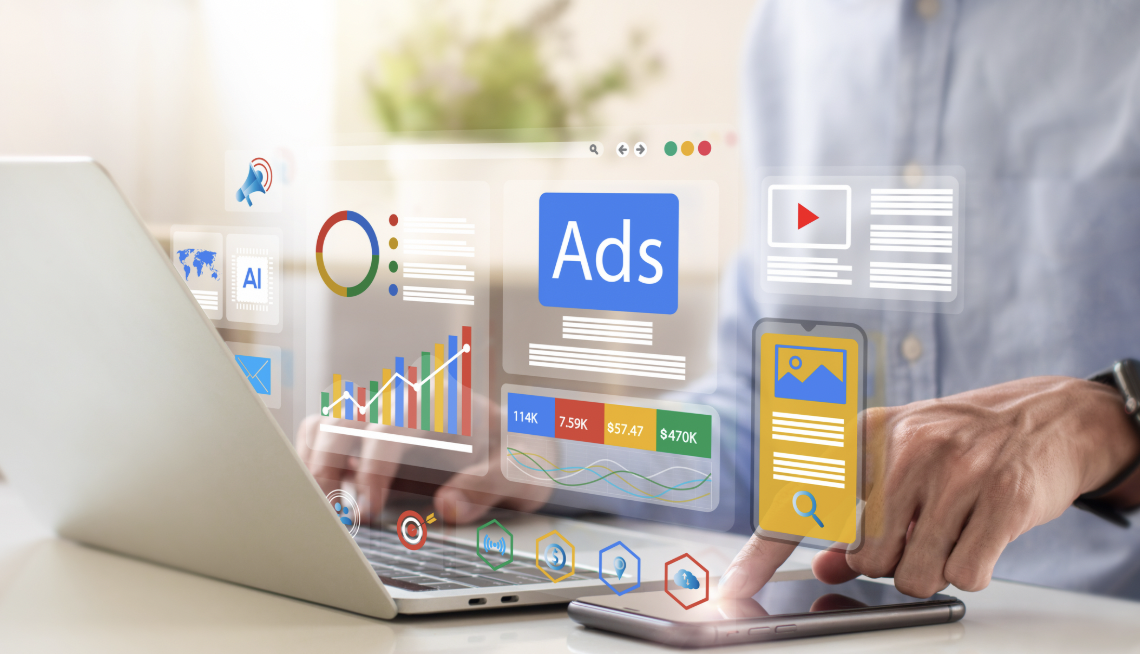
Digital promotion has shifted from manual negotiations to automated precision. Brands no longer rely only on calls, emails, or bulk placements. Instead, they use programmatic advertising software to connect messages with the right viewers at the right second.
This approach blends data, algorithms, and instant bidding into one smooth process. The result is smarter spending and stronger performance without constant back and forth between buyers and publishers.
What Makes Programmatic Advertising Software Different?
Traditional campaigns require human coordination for placement, pricing, and scheduling. In contrast, programmatic advertising software uses automated systems to purchase digital inventory in real time.
Each impression is evaluated instantly. The platform checks user behavior, context, device type, and many other signals before deciding whether to bid. This all happens in milliseconds.
Instead of broad exposure, marketers gain precise targeting. That precision reduces waste and increases measurable returns.
Core Elements Behind the Technology
Several components work together inside programmatic advertising software:
- Demand side platforms for buyers
- Supply side systems for publishers
- Real time bidding engines
- Data management layers
- Performance analytics dashboards
Together, these tools create a connected ecosystem. Every impression becomes a data point. Every result feeds future optimization.
Why Brands Choose Automation
Organizations adopt programmatic advertising software for three main reasons:
1. Precision
Audience segments can be defined by interests, browsing patterns, geography, and device behavior. Messages reach individuals most likely to respond.
2. Efficiency
Automated bidding removes manual negotiation. Teams focus on strategy rather than repetitive coordination.
3. Measurable Results
Detailed reporting shows impressions, clicks, conversions, and return metrics. Decisions become data driven instead of guesswork.
Strategic Advantages in Competitive Markets
In crowded sectors, timing matters. Automated buying reacts instantly to performance signals. If one placement underperforms, budget shifts elsewhere without delay.
This agility gives brands an edge. Campaigns evolve in real time instead of waiting for weekly reviews.
Advanced tools also support cross channel delivery across display, video, mobile, and connected television environments.
Data and Transparency Considerations
While automation delivers efficiency, responsible data handling remains essential. Businesses must ensure privacy compliance and clear consent practices.
Quality verification tools help prevent fraud and ensure placements appear in suitable environments.
Trust plays a major role in long term digital success.
Future Outlook
Artificial intelligence continues refining bidding strategies and audience modeling. Machine learning improves predictive accuracy with every campaign cycle.
As technology evolves, programmatic advertising software will likely integrate deeper personalization, improved contextual analysis, and stronger privacy frameworks.
Final Thoughts
Modern digital promotion depends on speed, intelligence, and adaptability. Programmatic advertising software provides all three within a single framework.
For brands seeking scalable reach combined with measurable precision, automated media buying has become less of an option and more of a necessity.