
Regular Checkups Uncover Issues Before Pain Begins
Minor oral changes rarely cause discomfort at first. However, they progress quickly without notice. Plaque buildup, enamel weakness, and tiny fractures often remain invisible. Consequently, routine appointments provide an essential safety net.
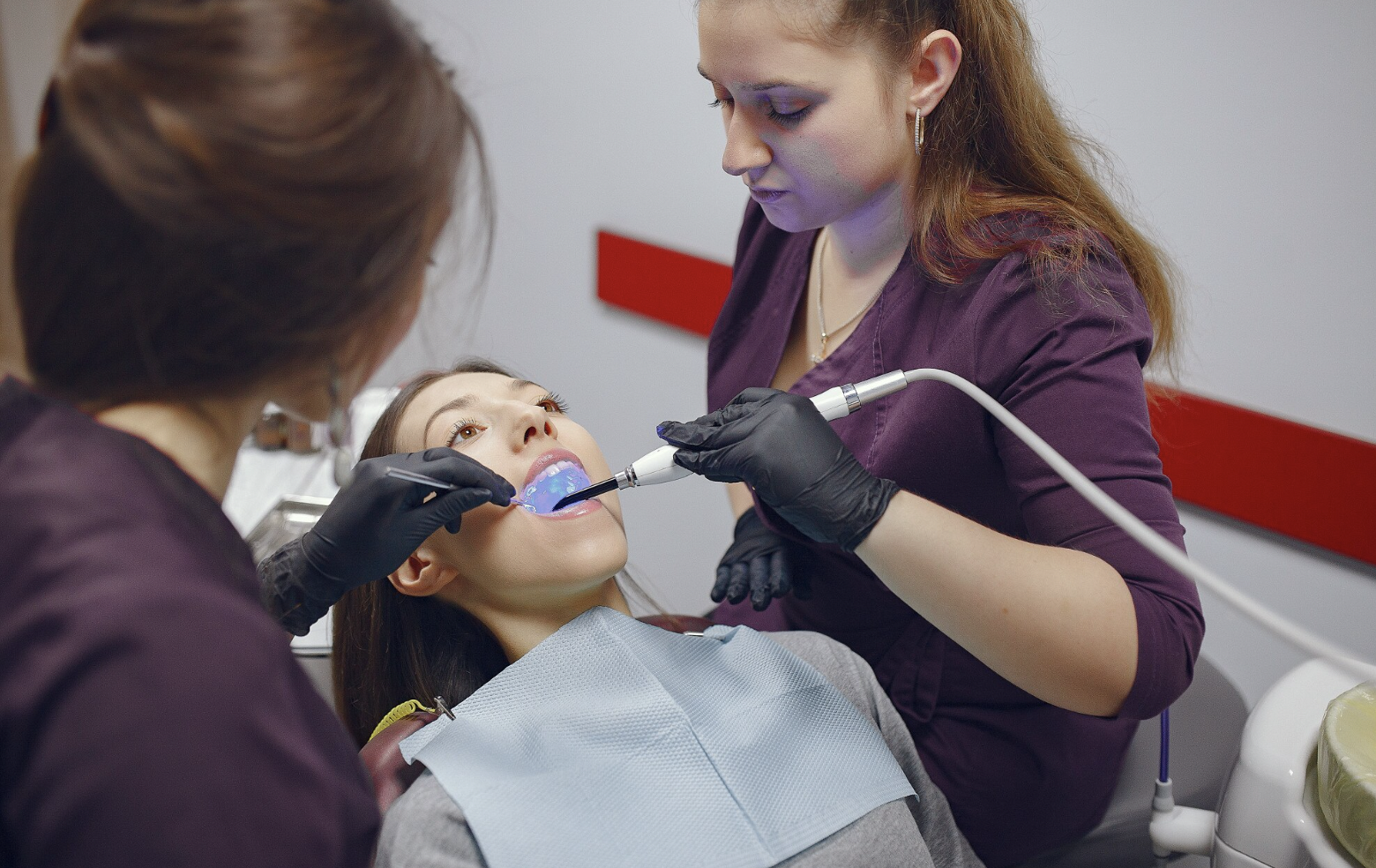
During a scheduled evaluation, professionals inspect every surface carefully. They assess gum pockets for early inflammation. They also review bite alignment for unusual pressure. Moreover, hygienists clean areas you cannot reach at home.
According to the Centers for Disease Control and Prevention, untreated decay affects many adults nationwide. Most cases begin quietly without warning. Therefore, early discovery reduces treatment intensity.
Small cavities need simple restoration. In contrast, deep infection requires complex procedures. Regular monitoring keeps treatment predictable and manageable. Prevention always demands less time and expense.
Advanced Imaging Detects What Mirrors Miss

Surface inspection alone cannot expose hidden damage. Consequently, imaging technology plays a vital role. Bitewing radiographs highlight decay between teeth. Panoramic scans display jaw structure and sinus regions. Additionally, visual tissue assessments identify unusual patches.
The National Institute of Dental and Craniofacial Research notes that malignant lesions may appear as subtle discolorations. Early screening significantly improves outcomes. Therefore, consistent evaluation supports long term wellness.
These tools reveal bone deterioration beneath gums. They expose root infections before swelling occurs. Furthermore, they identify cysts requiring timely intervention.
Early detection changes the entire treatment path. Minor enamel softening receives a modest filling. Advanced breakdown may demand crowns or surgical care. Thus, imaging transforms invisible risk into actionable insight.
Oral Health Directly Influences Overall Wellness

Your mouth is closely to systemic function. Infections inside the gum tissue may affect circulation. As a result, inflammation can influence cardiovascular stability. Research links periodontal disease with increased cardiac complications.
Bacteria may enter the bloodstream through irritated tissue. Consequently, immune responses intensify and strain vital organs. Individuals managing diabetes benefit from consistent evaluations. Stable gum condition supports balanced glucose control.
Pregnant patients also require attentive monitoring. Hormonal shifts increase sensitivity and swelling. Meanwhile, older adults rely on strong teeth for nutrition and speech clarity. Routine supervision protects comfort and dignity.
Healthy oral structures support clear communication and restful sleep. They encourage proper chewing and balanced diet choices. Therefore, preventive attention safeguards both physical and emotional wellbeing.
Consistent Care Prevents Costly Emergencies
Many urgent situations develop gradually. A fractured tooth often begins as unnoticed wear. Severe discomfort usually traces back to untreated decay. However, structured maintenance interrupts this cycle.
Scheduled visits allow strategic planning. Minor restorations resolve early deterioration quickly. Conversely, neglected infection may require root canal therapy or extraction. Replacement options such as implants involve a significant investment.
Regular cleanings reduce plaque accumulation. They prevent gum deterioration from advancing toward instability. Consequently, you avoid surgical procedures and extended recovery.
Financially, predictable appointments distribute expenses evenly. Emergency intervention, on the other hand, creates a sudden burden. Therefore, proactive management protects both comfort and budget.
Recommended Visit Frequency and Home Habits
Most individuals benefit from biannual examinations. However, some require additional monitoring. Patients with orthodontic appliances or systemic conditions may need quarterly reviews.
Each appointment follows a clear structure. First, professional cleaning removes hardened deposits. Next, the evaluation identifies structural changes. Finally, personalized guidance improves daily routines.
Support professional efforts with simple actions:
- Brush twice daily using fluoride paste
- Clean interdental spaces consistently
- Reduce sugary snacks between meals
These habits strengthen enamel and discourage inflammation. Combined with clinical oversight, they create lasting protection.
Take Action Before Hidden Trouble Escalates
Silent conditions advance without obvious warning. Nevertheless, routine attention transforms uncertainty into clarity. Early awareness delivers confidence and control. Furthermore, it reduces discomfort and preserves natural structure.
Schedule an evaluation if you missed one this year. Share medical history openly. Ask questions about any unusual sensations. Small steps today prevent major intervention tomorrow.
Strong preventive care keeps your smile reliable. It also shields overall vitality and daily comfort. Prioritize consistent supervision and stay ahead of hidden risks.