
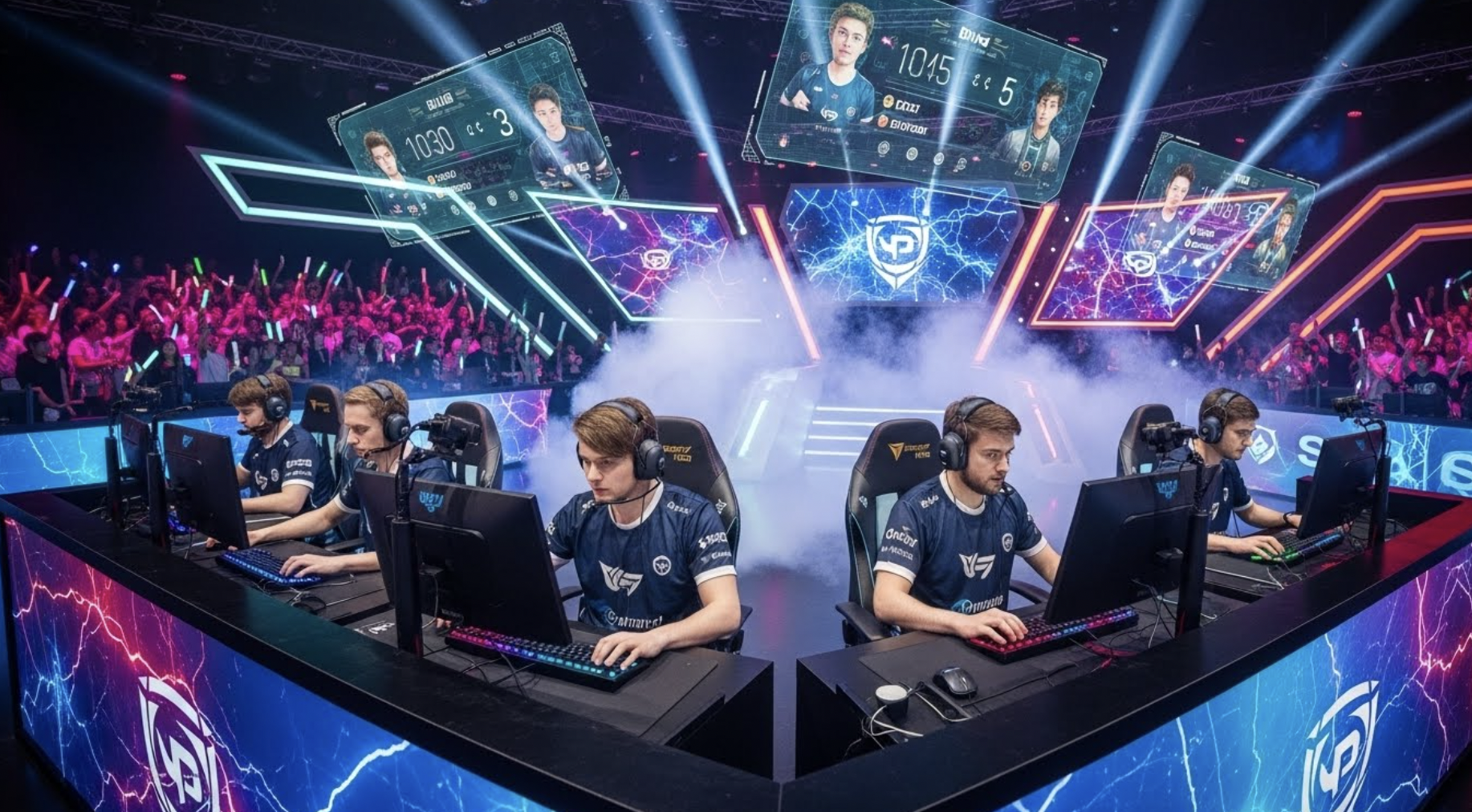
Competitive gaming has evolved into a global spectacle where elite competitors gain fame, prestige, and remarkable financial rewards. The modern arena blends strategy, reflex, teamwork, and discipline. Millions watch live tournaments, while sponsors invest heavily. This environment creates legends whose performance shapes the future of interactive competition.
This guide explores the most successful icons of 2026, highlighting achievements and financial rewards while examining the factors behind their continued dominance.
The Rise of Competitive Icons
Interactive tournaments have transformed into structured global leagues. Large organizers host seasonal championships with multimillion dollar pools. Professional competitors train daily, refine tactics, and collaborate with coaches. These efforts translate into consistent victories and substantial prize rewards.
Financial success no longer comes solely from tournament victories. Sponsorship agreements, streaming revenue, and brand partnerships contribute significantly. This ecosystem enables talented individuals to build long term careers.
Leading Champions and Their Financial Success
1. Johan “N0tail” Sundstein
This Danish competitor remains one of the most financially successful figures. Years of excellence, leadership, and consistency earned him enormous prize rewards. Strategic brilliance and team coordination defined his legacy.
2. Kyle “Bugha” Giersdorf
This American competitor rose to global fame through exceptional performance in battle royale championships. Calm decision making and mechanical skill helped him secure impressive prize totals and lucrative sponsorship opportunities.
3. Lee “Faker” Sang hyeok
This South Korean legend continues influencing global competitive culture. His precise gameplay, intelligent decisions, and unmatched consistency brought repeated victories and financial stability through multiple revenue streams.
4. Oleksandr “s1mple” Kostyliev
This Ukrainian star built a reputation through extraordinary aim and clutch performance. Numerous championship victories contributed to substantial prize earnings and worldwide recognition.
5. Tyson “TenZ” Ngo
This Canadian professional gained recognition for exceptional reflexes and creative gameplay. Consistent results across major tournaments boosted his financial portfolio and strengthened his reputation.
Key Income Sources Beyond Tournament Prizes
Sponsorship Agreements
Major brands collaborate with elite competitors to promote products. These agreements often provide stable and significant income.
Live Streaming Revenue
Online platforms allow professionals to connect directly with audiences. Subscription fees, donations, and advertisements generate consistent revenue streams.
Merchandise and Branding
Personal branding creates additional financial opportunities. Clothing lines, accessories, and exclusive digital products enhance income.
Team Contracts
Professional organizations offer structured salaries, performance bonuses, and long term security.
Training, Discipline, and Professional Growth
Success requires more than talent. Elite performers follow strict training routines, review gameplay recordings, and improve strategic awareness. Physical health, mental focus, and teamwork also play essential roles. Continuous improvement ensures longevity and financial stability.
Global Audience and Cultural Impact
Interactive competition attracts millions of viewers worldwide. Major championships fill arenas, while online broadcasts reach international audiences. This popularity strengthens financial opportunities and encourages new talent to pursue professional careers.
Younger generations now view competitive gaming as a legitimate profession. Structured leagues, sponsorship systems, and global exposure support long term growth.
Future Outlook for Competitive Gaming Professionals
The future remains extremely promising. Increasing investment, technological innovation, and expanding audiences ensure continued growth. Financial rewards will likely increase as organizations, sponsors, and viewers continue supporting competitive ecosystems.
Professional competitors who combine skill, discipline, and adaptability will remain at the forefront. Their achievements inspire fans and shape the future of interactive competition.
Conclusion
Elite competitors of 2026 demonstrate extraordinary dedication and talent. Their financial success reflects years of practice, strategic thinking, and consistent performance. Sponsorships, streaming, and tournament victories together create remarkable income opportunities.
As global interest continues expanding, new legends will emerge. Competitive gaming remains one of the fastest growing forms of modern entertainment, offering both prestige and financial rewards for those who achieve excellence.