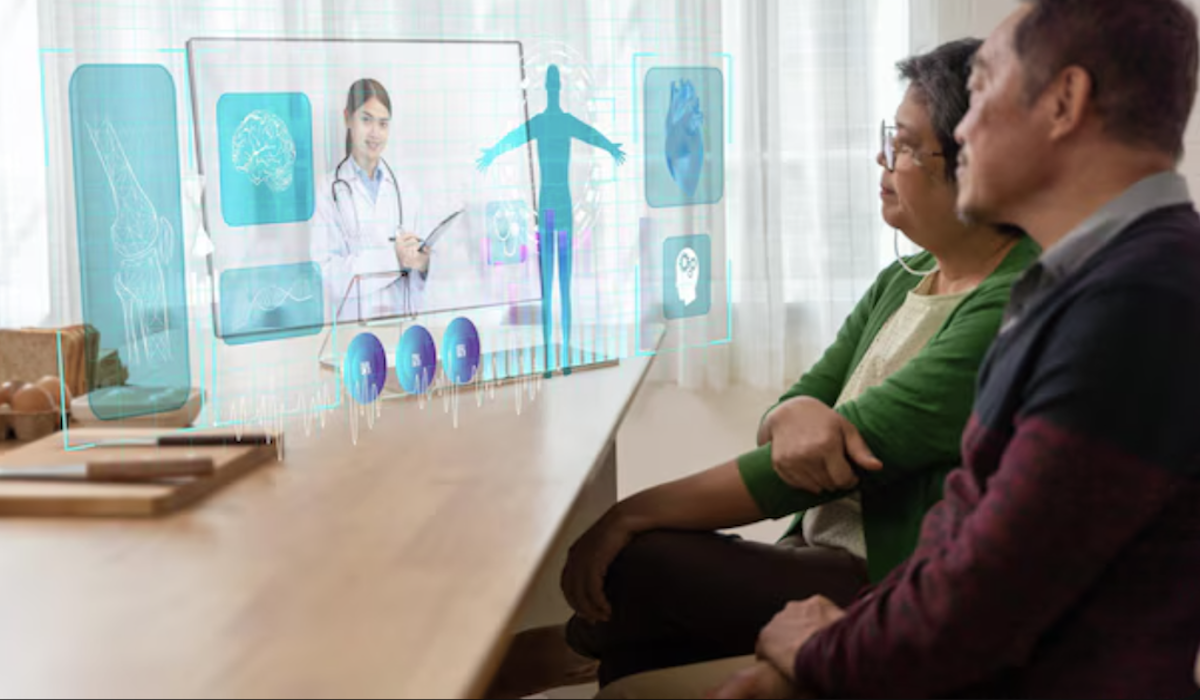
In 2025, healthcare has transcended the walls of clinics and hospitals. Remote Patient Monitoring (RPM) has become a foundational pillar of modern medicine, enabling continuous oversight of patient health from virtually any location. From chronic disease management to post operative recovery, RPM empowers clinicians to provide timely interventions, reduce preventable hospital visits, and support better long term outcomes.
Through a seamless blend of smart medical devices, secure cloud platforms, and intelligent data analytics, RPM is reshaping healthcare into a proactive, personalized, and highly connected ecosystem.
How Today’s Remote Patient Monitoring Systems Operate
Modern RPM networks depend on digital medical tools such as:
- Blood pressure monitors
- Glucose monitoring systems
- Pulse oximeters
- Wearable cardiac devices
- Smart weight scales
These devices automatically send real time health data via Bluetooth or cellular technology to encrypted cloud platforms. Clinicians review this information through intuitive dashboards that highlight trends, display alerts, and integrate directly with Electronic Health Records (EHRs) for faster clinical decision making.
Patients also gain access to companion mobile apps offering:
- Custom reminders for medications
- Personalized progress metrics
- Secure chat and messaging
- Virtual consultations
This two way communication strengthens patient engagement and ensures both sides are aligned throughout the care journey.
Why Remote Monitoring Has Become Essential
With chronic illnesses such as diabetes, hypertension, COPD, and heart disease rising worldwide, traditional appointment based care is no longer sustainable. Remote monitoring solves key challenges by making continuous oversight possible without requiring patients to visit a clinic.
The adoption surge during the COVID 19 era demonstrated RPM’s ability to maintain high quality care even during global disruptions. Since then, patients and providers alike have embraced RPM for its convenience, speed, and measurable impact on health outcomes.
Benefits for Patients and Healthcare Teams
For Patients:
- Comfort of monitoring health from home
- Increased involvement in personal health management
- Better treatment adherence
- Clear visibility into their own progress
For Providers:
- Faster response to concerning changes
- Lower hospital readmission rates
- Improved workflow efficiency
- Higher patient satisfaction and better clinical results
From a financial standpoint, RPM contributes to reduced operational costs, improved reimbursement opportunities, and better utilization of clinical resources.
Technologies Behind Remote Monitoring in 2025
Today’s RPM systems rely on an advanced tech stack, including:
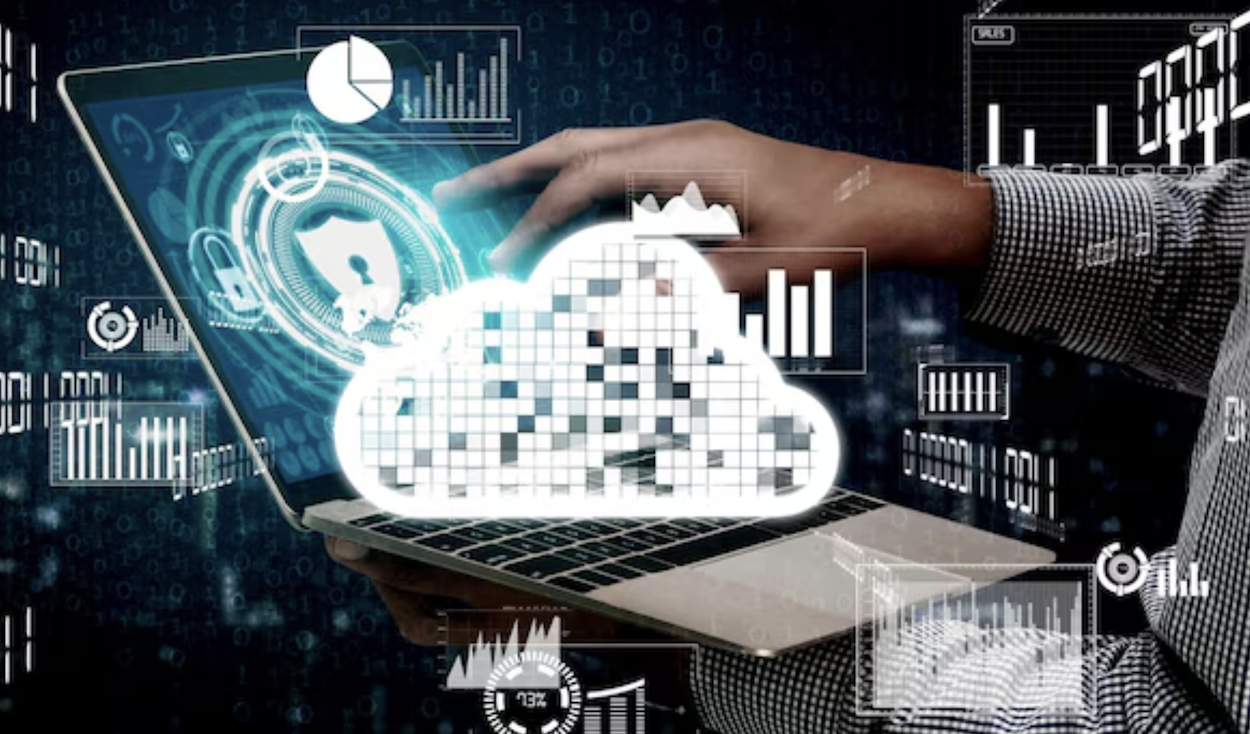
- Cloud platforms for secure, scalable data storage
- Artificial intelligence for predictive insights, anomaly detection, and automated alerts
- EHR connectivity to unify patient health records
AI driven algorithms can spot early warning signs of conditions such as heart failure or respiratory decline often before the patient notices symptoms. With stringent encryption and regulatory compliance (such as HIPAA and GDPR), RPM platforms deliver secure, reliable, and patient centered care.
Barriers to Broader Implementation
Despite its advantages, RPM still faces obstacles:
- Limited compatibility with outdated hospital systems
- Uneven reimbursement policies across regions
- Challenges for patients who struggle with technology
- Risk of clinicians receiving too much raw data
- Heightened concerns about digital privacy
Solving these issues requires modernized infrastructure, improved education for both clinicians and patients, and advanced AI filters that deliver only actionable insights.
The Road Ahead: A Remote First Healthcare Future
RPM is not a temporary solution it is a fundamental shift toward predictive, preventive care. Rather than waiting for symptoms to worsen, healthcare teams can now anticipate problems and respond earlier, dramatically improving clinical outcomes.
As digital technologies advance, remote monitoring will become even more immersive, personalized, and widespread. Ultimately, it will reduce hospital dependence, lower healthcare costs, and create an always connected care model that puts patient well being first.
Final Thoughts
Remote Patient Monitoring has become a defining element of healthcare in 2025. By bridging home and hospital through real time data, smart devices, and AI driven insights, RPM delivers accessible, proactive, and highly personalized care. It is not simply a trend it is the new standard of healthcare worldwide.