Hair loss impacts self-image, daily confidence, and overall well-being. Fortunately, regenerative aesthetics continue to advance rapidly. Among modern innovations, exosome hair regeneration has gained strong attention. This treatment works at a cellular level to restore follicle activity. As a result, individuals experience denser, healthier-looking hair over time.
The Science Behind Exosomes and Cellular Communication
Exosomes are ultra-small vesicles released naturally by cells. They carry proteins, growth factors, and genetic information. Because of this function, they enable cells to communicate efficiently. In regenerative medicine, exosomes guide repair and renewal. When applied to the scalp, they support follicle revival.
How Exosome Hair Treatment Works
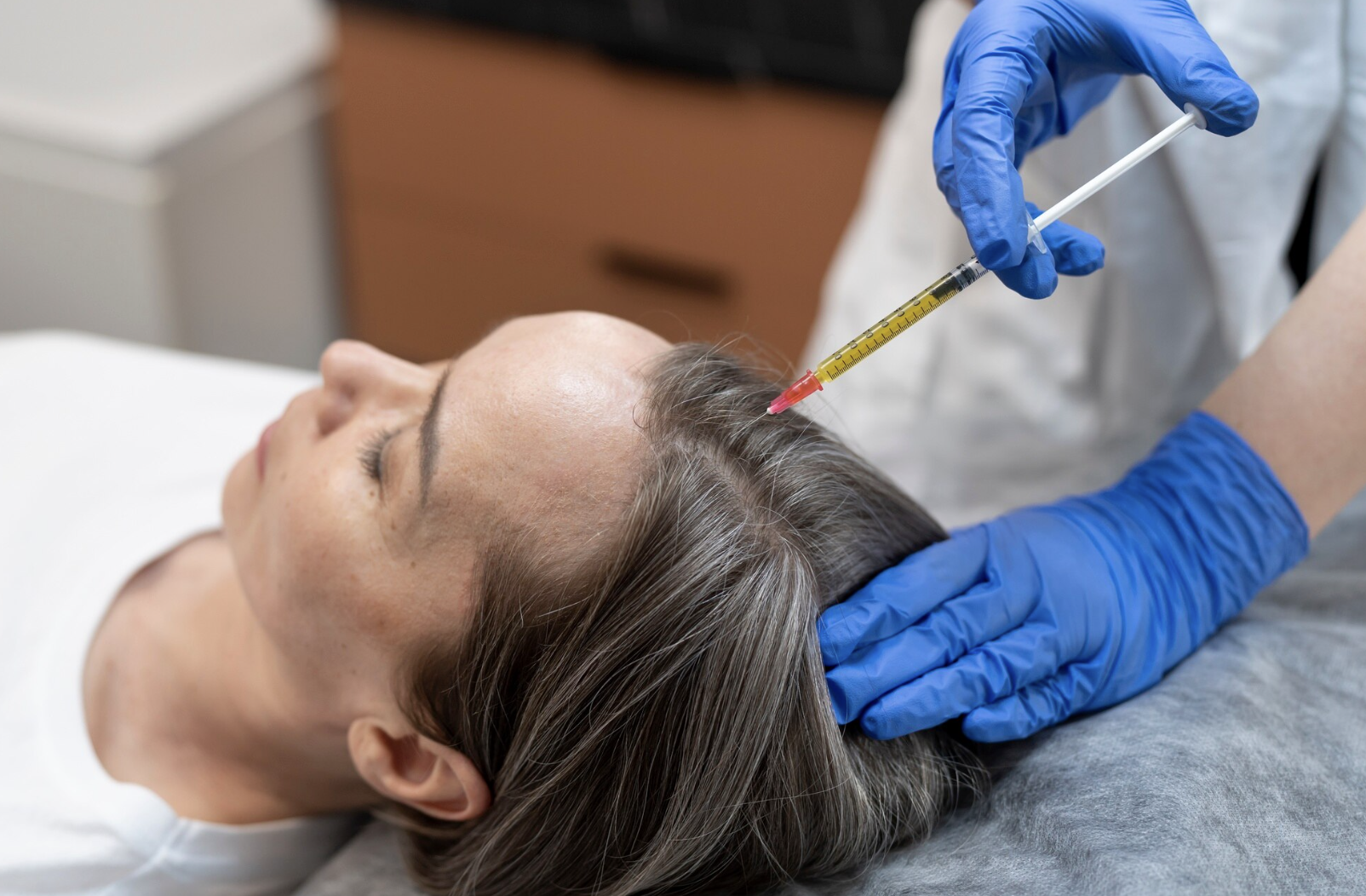
Exosome hair treatment delivers purified exosomes directly to the scalp. These particles target weakened or inactive follicles precisely. Once absorbed, follicles receive signals to restart growth cycles. Therefore, hair thickness and scalp coverage gradually improve. Importantly, the procedure avoids surgical intervention entirely.
Key Reasons Exosome Hair Therapy Is in High Demand
Patients increasingly seek natural and convenient solutions. Exosome therapy provides a comfortable, minimally invasive experience. Additionally, treatments require no recovery downtime. Because regeneration occurs naturally, results appear subtle and authentic. Over several months, hair becomes visibly stronger and fuller.
Primary Factors That Contribute to Hair Loss
Hair thinning develops due to various internal and external factors. Genetics often determine long term hair density patterns. Hormonal fluctuations also disrupt normal follicle function. Stress, smoking, and poor nutrition accelerate shedding. Furthermore, medical conditions may impair scalp circulation.
Daily styling habits play an important role as well. Tight hairstyles place constant tension on hair roots. Frequent heat styling weakens strands and follicles. Over time, repeated stress leads to noticeable thinning.
Understanding Normal Hair Shedding Patterns
Shedding hair daily remains completely normal. Most people lose up to one hundred strands each day. This process reflects the natural hair growth cycle. The anagen phase supports active growth. The catagen phase signals transition. The telogen phase triggers rest and shedding.
Healthy scalps continuously replace shed hairs. Therefore, excessive or patchy loss signals a concern.
Hair Loss Conditions Responsive to Exosome Therapy
Exosome therapy supports several hair loss conditions effectively. Alopecia areata often responds due to immune-modulating effects. Hormonal thinning related to menopause shows visible improvement. Postpartum hair loss stabilizes faster with cellular stimulation. Vitamin deficiency-related shedding also improves significantly.
Additionally, metabolic imbalances may reduce scalp blood flow. In these cases, exosomes enhance cellular signaling. Consequently, follicles regain stronger growth potential.
Who Benefits Most From Exosome Hair Regeneration
Both men and women can benefit from this treatment. Ideal candidates experience thinning rather than complete baldness. Early treatment usually delivers better outcomes. Because therapy uses biological pathways, compatibility remains high. Thus, many adults qualify after a professional evaluation.
When Exosome Hair Therapy Should Be Avoided
Certain situations require postponing treatment. Pregnant or breastfeeding individuals should avoid therapy. Active scalp infections must be treated beforehand. A thorough consultation ensures safety and suitability.
The Role of Microneedling in Treatment Success
Microneedling often complements exosome therapy effectively. This technique creates tiny channels in the scalp. As a result, exosomes penetrate deeper layers efficiently. Microneedling also activates natural healing responses. Together, both methods amplify follicle stimulation.
Potential Side Effects to Expect
Most patients tolerate exosome therapy comfortably. Temporary redness or mild swelling may occur. Some individuals experience brief tenderness or itching. However, symptoms typically resolve within days. Serious adverse effects remain extremely uncommon.
Timeline and Expected Results
Treatment begins with a comprehensive scalp assessment. This step customizes the therapy plan precisely. Within two to four weeks, shedding often decreases. Visible regrowth typically appears after eight to twelve weeks. Full results develop over four to six months.
Consistency and proper aftercare enhance long-term results. Therefore, following professional advice remains essential.
Habits That Support Long-Term Hair Health
Healthy routines strengthen treatment outcomes. Avoid smoking to improve blood circulation. Choose nutrient-dense foods for follicle nourishment. Limit heat styling to prevent structural damage. Select loose hairstyles that reduce scalp tension.
Managing stress also supports hair regeneration. Adequate sleep further promotes cellular repair.
Why Exosome Therapy Is Shaping the Future of Hair Restoration
Traditional treatments often focus on surface-level improvement. Exosome therapy targets hair loss at its biological core. By restoring cellular communication, follicles regain vitality. Therefore, results appear gradual, natural, and sustainable. This innovation continues to redefine modern hair restoration.
When confidence matters, advanced care makes a difference. Exosome hair regeneration delivers science-driven, natural-looking results.