Hearing aid technology has entered a new generation. Modern devices are no longer simple sound amplifiers. They are intelligent, comfortable, and highly adaptable tools that help people with hearing loss hear more clearly and live more confidently.
Today’s hearing aids support clearer conversations, reduce listening effort, and improve social engagement. By restoring access to sound, they play a vital role in enhancing independence and overall well-being.
Understanding Modern Hearing Aids
What Is a Hearing Aid?
A hearing aid is a small electronic device designed to improve hearing by amplifying and processing sound. It helps individuals with hearing loss understand speech more clearly and participate fully in daily activities such as conversations, work, and social events.
How Hearing Aids Work
Hearing aids collect sound through microphones and convert it into digital signals. These signals are then processed to enhance speech clarity before being delivered to the ear. Many modern hearing aids include advanced features such as noise reduction, directional microphones, and wireless connectivity to adapt to different listening environments.
The Journey of Hearing Aid Technology
From Basic Amplification to Smart Sound
Early hearing aids were mechanical, and later analogue devices that amplified all sounds equally. This often caused discomfort and poor sound quality. Today’s digital hearing aids use advanced processing to deliver clear, balanced, and natural sound tailored to individual hearing needs.
Major Technological Breakthroughs
Recent innovations in hearing aid technology include:
- Digital sound processing for improved clarity and accuracy
- Bluetooth connectivity for seamless connection to smartphones and devices
- Rechargeable power systems for ease of use and eco-friendliness
- Adaptive noise control to enhance hearing in challenging environments
These developments have significantly improved user comfort and listening performance.
Modern Hearing Aid Design and Innovation
Discreet, Lightweight, and Comfortable
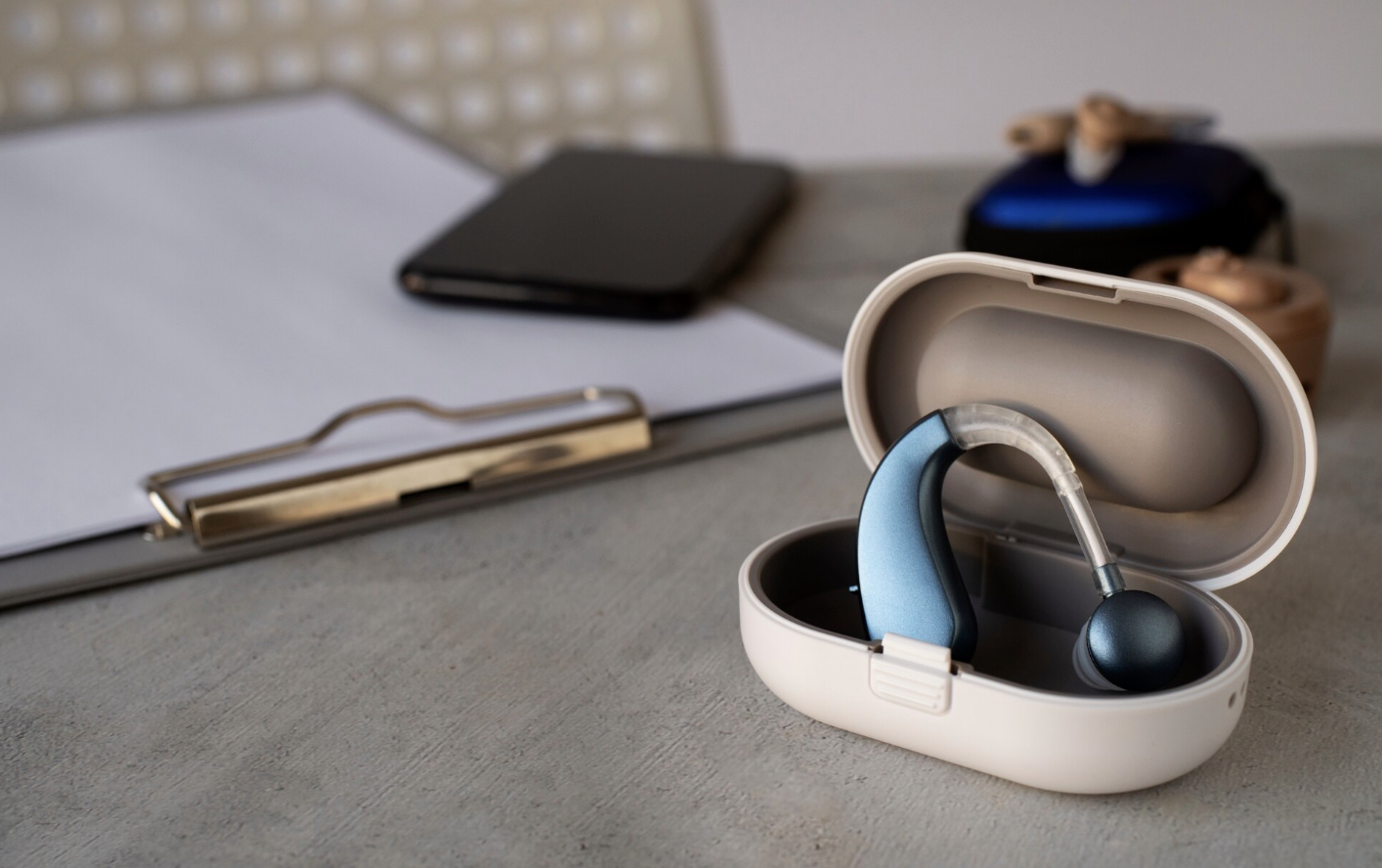
Modern hearing aids are designed with user comfort in mind. Sleek in-ear models and lightweight behind-the-ear styles offer powerful performance while remaining discreet. Improved ergonomics ensure all-day comfort without compromising sound quality.
Technology That Adapts to You
Advanced hearing aids can:
- Prioritise speech while reducing background noise
- Automatically adjust to quiet, noisy, or outdoor environments
- Stream calls, music, and media directly via Bluetooth
These smart features provide consistent hearing support throughout the day.
Everyday Advantages of Advanced Hearing Aids
Modern hearing aids improve communication in both personal and professional settings. Users often report better focus at work, easier conversations in social situations, and increased confidence in public spaces. Clearer hearing helps strengthen relationships and supports a more active lifestyle.
Personalised Hearing Care Solutions
Tailored to Individual Hearing Needs
Hearing aids today are highly customisable. Hearing care professionals program devices based on hearing test results, daily routines, and personal preferences. This personalised approach ensures optimal performance, comfort, and satisfaction.
How to Choose the Right Hearing Aid
Key Factors to Consider
When selecting a hearing aid, consider the following:
- Severity and type of hearing loss
- Daily lifestyle and listening environments
- Budget and technology requirements
- Comfort, fit, and design preferences
Features That Matter Most
Look for features such as rechargeable batteries, advanced noise reduction, wireless connectivity, and smartphone compatibility. Choosing a hearing aid that matches your lifestyle leads to better long-term hearing outcomes.
Conclusion: Better Hearing Starts with Better Technology
Advances in hearing aid technology have transformed hearing care. With intelligent sound processing, wireless features, and personalised fittings, modern hearing aids deliver clearer sound, greater convenience, and improved independence.
By embracing today’s hearing solutions, individuals can reconnect with conversations, enjoy everyday sounds, and experience a higher quality of life.