Visiting a property should never feel risky. However, accidents often happen due to ignored hazards. Therefore, understanding premises liability becomes essential for every visitor. This guide explains unsafe conditions, legal duties, and your rights clearly.
Understanding Premises Liability Law for Visitors
Premises liability focuses on the property owner’s responsibility. Owners must maintain safe conditions for lawful visitors. This duty applies to stores, offices, rentals, and private homes. Additionally, some public properties fall under similar rules. When owners ignore risks, they may face legal consequences.
Property Owner Responsibilities and Legal Duties
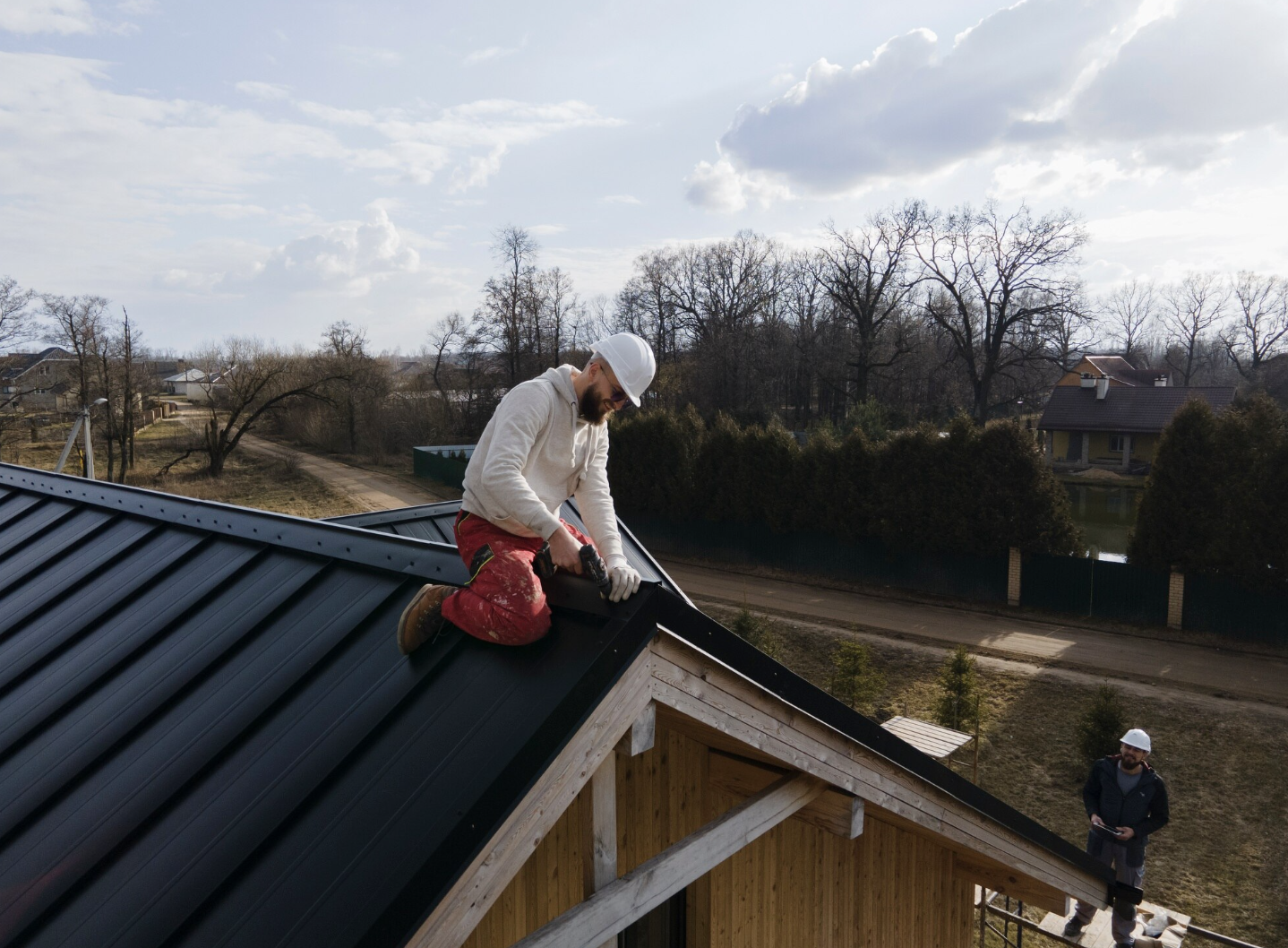
Property owners must inspect their premises regularly. They should repair hazards within a reasonable time. If repairs are delayed, clear warnings must appear. For example, signs should alert visitors about wet floors. Without action, liability risks increase significantly.
Common Unsafe Conditions That Cause Accidents
Unsafe conditions often appear ordinary but cause severe harm. For instance, slippery floors cause frequent fall injuries. Likewise, broken handrails increase stairway dangers. Poor lighting hides hazards and increases trip risks. Moreover, uneven sidewalks lead to sudden falls. Cluttered aisles also restrict safe movement. Even falling merchandise creates serious injury risks. Furthermore, weak security may result in violent incidents.
Who Can Be Held Liable After an Accident
Liability depends on ownership and control. Business owners often hold responsibility for customer safety. Landlords must maintain shared areas in rental properties. Homeowners also owe duties to guests. In some cases, maintenance companies share liability. Therefore, identifying all responsible parties is critical.
What Injured Visitors Must Prove in a Claim
Injured visitors must meet specific legal elements. First, they must show the owner knew about the hazard. Alternatively, they must prove the owner should have known. Second, they must show that no proper warning existed. Third, the hazard must directly cause the injury. Strong evidence supports each legal requirement.
Important Evidence in Premises Liability Cases
Evidence strengthens every premises liability claim. Photos of hazards provide clear visual proof. Witness statements support your accident account. Medical records connect injuries to the incident. Incident reports also establish timelines. Additionally, surveillance footage may confirm negligence.
Types of Injuries Linked to Unsafe Properties
Slip and fall injuries often cause fractures. Head injuries may result in long-term complications. Spinal injuries can limit mobility permanently. Crushing injuries occur from falling objects. Internal injuries may remain hidden initially. Even minor injuries may worsen over time.
Steps to Take After a Premises Accident
Your safety should always come first. Seek medical attention immediately after the incident. Then, report the accident to property management. Request a written incident report if possible. Next, document the hazard with photos. Also, collect witness contact information promptly.
How Compensation Works in Premises Liability Claims
Compensation covers various accident-related losses. Medical expenses form the foundation of most claims. Rehabilitation and therapy costs often apply. Lost wages may also qualify for recovery. Reduced earning capacity affects future compensation. Pain and suffering damages address emotional impact. However, insurers often attempt to reduce payouts.
Challenges Faced During Premises Liability Claims
Insurance companies frequently dispute liability. They may blame visitors for their injuries. Additionally, evidence may disappear quickly. Complex ownership structures create further delays. Therefore, timely legal action remains essential.
Why Experienced Legal Support Makes a Difference
Premises liability cases involve detailed investigations. Attorneys gather evidence and preserve records. They identify all liable parties efficiently. Moreover, they negotiate firmly with insurers. If needed, they prepare cases for trial. Legal support improves claim outcomes significantly.
Protecting Your Rights as an Injured Visitor
Visitors deserve safe environments everywhere. When safety fails, legal rights protect victims. Prompt action strengthens your legal position. Understanding the law empowers better decisions. With proper guidance, recovery becomes manageable. You should never face these challenges alone.
Final Thoughts on Premises Liability and Safety
Unsafe properties create preventable injuries daily. Property owners must prioritize visitor safety. Meanwhile, visitors should understand their legal protections. Knowledge supports smarter decisions after accidents. Ultimately, accountability improves safety for everyone.