

Starting an online store no longer requires renting space or managing daily shipping runs. With Amazon FBA business models, newcomers can enter ecommerce without handling packing or courier coordination. This guide explains how beginners can move from idea to revenue using a clear, practical roadmap.
What Is Amazon FBA?
Amazon provides a program known as Fulfillment by Amazon (FBA). Sellers send inventory to the company’s warehouses. The platform stores items, handles delivery, processes returns, and manages customer service.
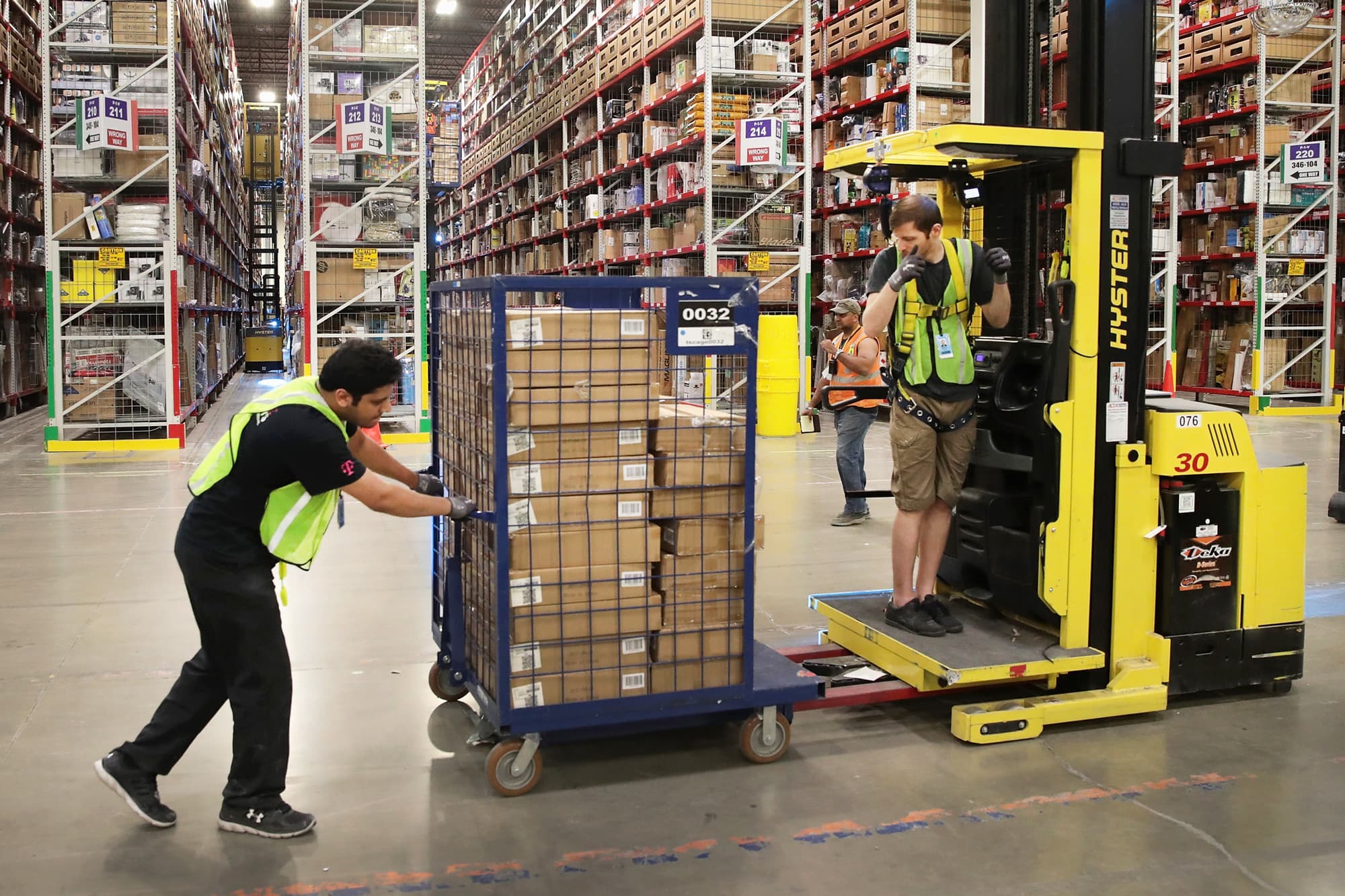
For a beginner, this structure removes major operational barriers. Instead of renting storage or negotiating with couriers, you focus on research, sourcing, and marketing.
Why Beginners Choose This Model
An Amazon FBA business appeals to first time founders for several reasons:
- Built in traffic from millions of buyers
- Trusted checkout system
- Prime eligibility increases conversions
- Scalable logistics infrastructure
The platform already has global credibility, which helps new listings gain attention faster than standalone websites.
Step 1: Product Research That Makes Sense
Before sourcing inventory, study demand carefully. Successful sellers avoid emotional decisions. Instead, they analyze:
- Search volume
- Competition levels
- Price consistency
- Customer reviews
- Seasonal patterns
Choose simple, lightweight products with steady demand and moderate rivalry. Avoid fragile items and complex electronics during your first attempt.
Step 2: Source From Reliable Suppliers
Most beginners work with manufacturers from platforms such as Alibaba Group. Request samples before bulk ordering. Evaluate:
- Build quality
- Packaging durability
- Branding options
- Production timelines
Clear communication prevents costly misunderstandings. Always confirm shipping terms and inspection standards before transferring payment.
Step 3: Branding and Listing Optimization
Strong branding increases perceived value. Focus on:
- Clean logo
- Professional photography
- Keyword-rich title
- Clear bullet points
- Persuasive product description
Images influence buying decisions significantly. Use high resolution photos that demonstrate size, features, and usage.
Step 4: Send Inventory to Warehouses
After production finishes, create a shipping plan in Seller Central. Print barcode labels and arrange freight forwarding. Once stock arrives, your Amazon FBA business becomes operational.
Monitor inventory levels to avoid stockouts. Running out of units can damage ranking momentum.
Step 5: Launch Strategy for Early Momentum
New listings need visibility. Consider:
- Sponsored ads
- Limited time discounts
- Influencer collaborations
- Email lists
- Social proof campaigns
Paid advertising accelerates exposure during the initial weeks. Once reviews accumulate, organic ranking improves.
Step 6: Manage Cash Flow Wisely
Many beginners fail due to poor budgeting. Calculate:
- Manufacturing cost
- Shipping expense
- Storage fees
- Advertising spend
- Platform commissions
Profit margins should remain healthy after every deduction. Reinvest early gains into inventory expansion instead of withdrawing everything.
Common Mistakes to Avoid
Even a promising Amazon FBA business can struggle if you:
- Ignore data
- Overorder inventory
- Skip quality inspections
- Compete solely on price
- Launch without differentiation
Smart sellers focus on value, not just cost reduction.
Scaling Beyond the First Product
After achieving stable sales:
- Introduce variations
- Expand into complementary categories
- Bundle related items
- Enter additional marketplaces
Long term growth depends on brand building, not one trending item.
Is This Model Still Worth It?
Yes, but only with research and discipline. Competition has increased, yet opportunities remain for strategic entrants. Instead of chasing viral products, build a sustainable catalog with strong branding.
An Amazon FBA business rewards patience, structured planning, and continuous optimization. Beginners who treat it like a real company rather than a quick win stand the best chance of success.