Augmented Reality in Contemporary Life
Immersive technology now merges virtual components with tangible surroundings. This innovation enriches perception using interactive visual projections. As a result, ordinary activities become more dynamic and intelligent. Furthermore, immersive systems no longer exist only within games or media. Instead, they influence learning, commerce, medicine, and communication.
How Immersive Technology Operates in Real Time
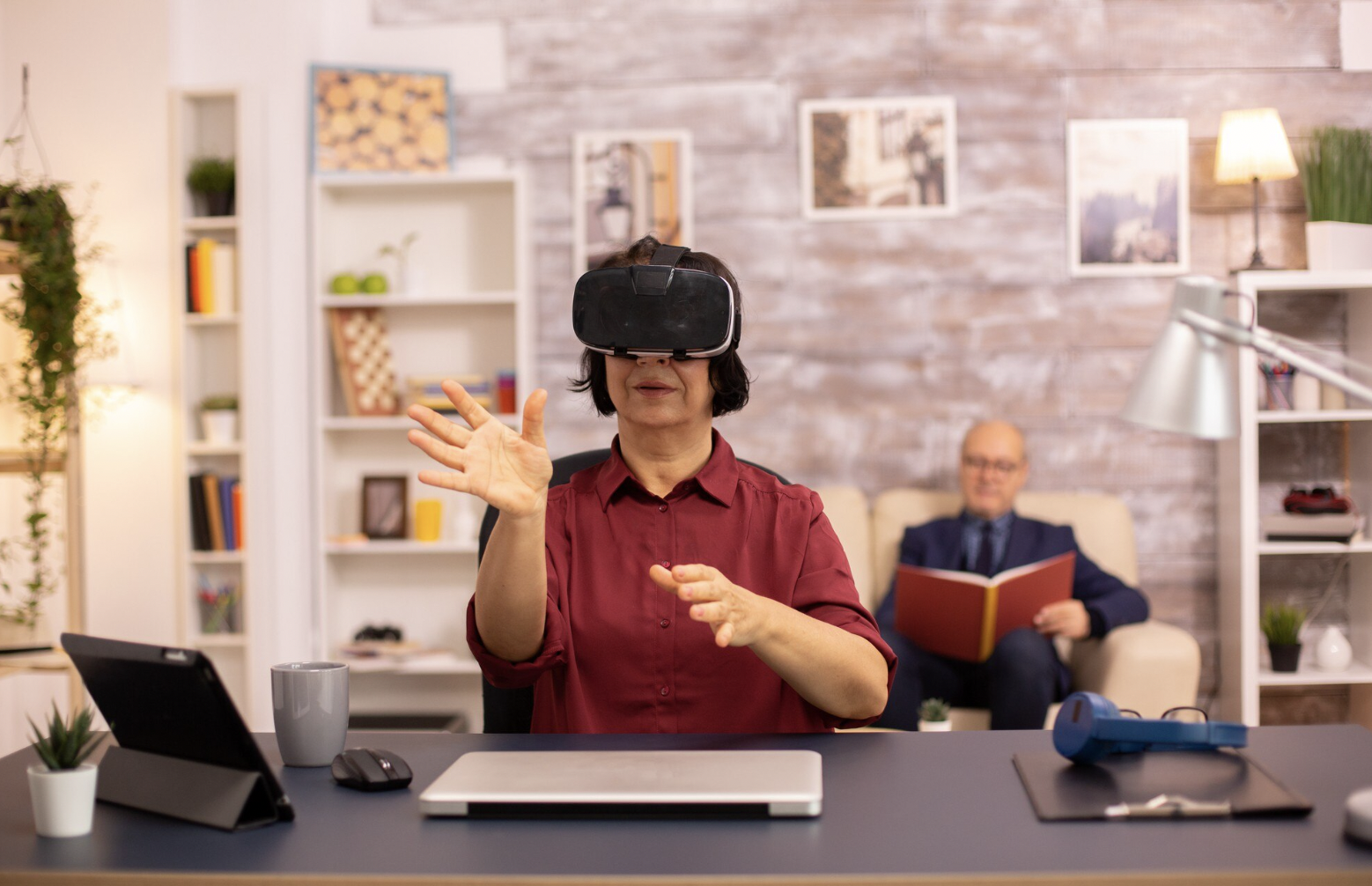
This immersive system relies on cameras, motion detectors, and intelligent software. These mechanisms recognize environments and position virtual objects precisely. Consequently, individuals engage with physical and virtual layers together. Meanwhile, mobile devices and wearable optics support most experiences. Therefore, public access continues growing at a remarkable speed.
Immersive Learning Applications
Academic environments gain strong value from interactive visual platforms. Learners explore difficult ideas using responsive three dimensional structures. For example, biological studies become clearer and more memorable. Additionally, simulated environments strengthen practical comprehension. As a result, focus and memory performance rise dramatically.
Retail and Consumer Experiences Enhanced
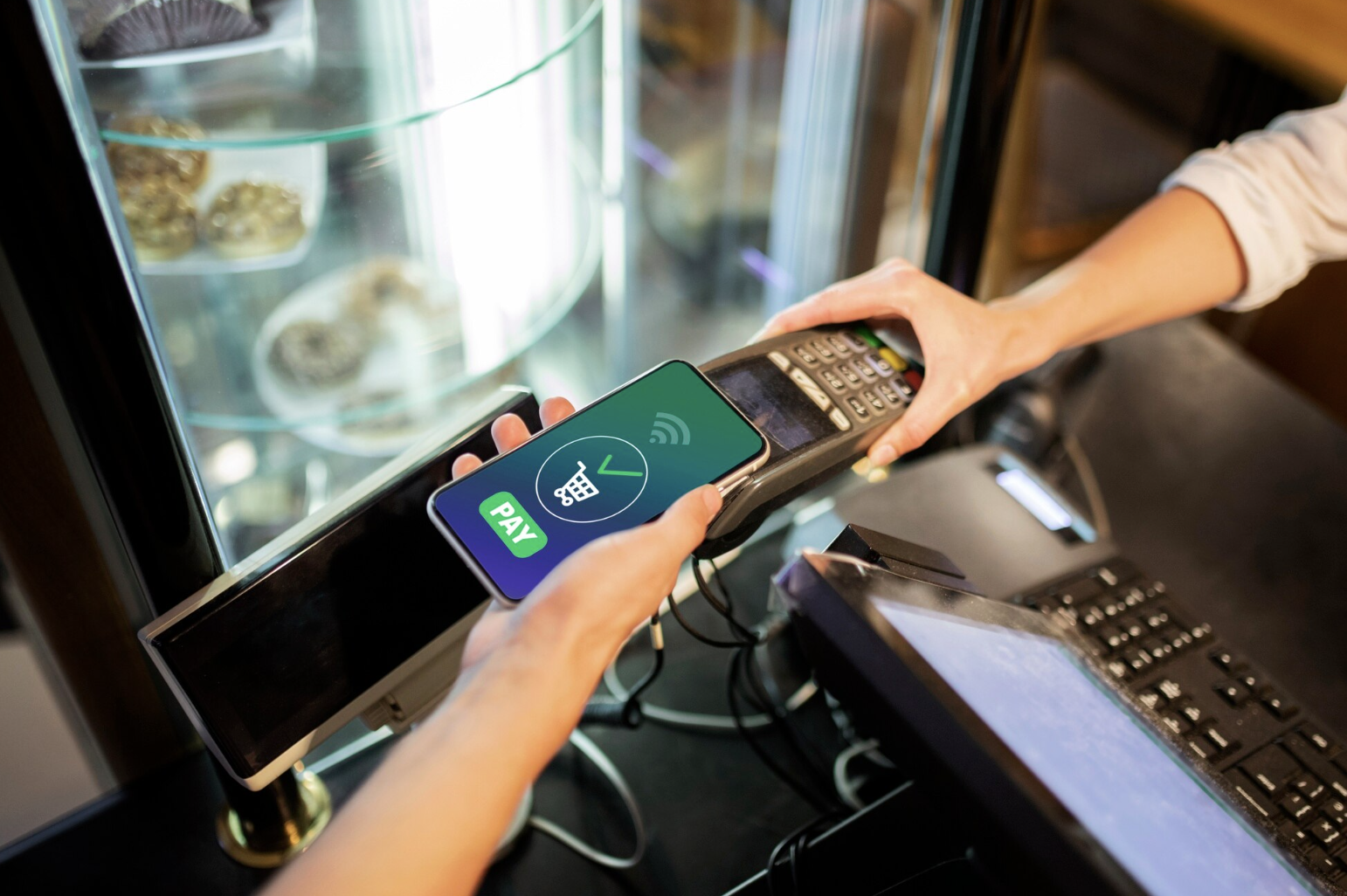
Commercial brands now apply immersive tools to personalize buyer journeys. Shoppers preview items before final decisions. For instance, digital fittings reduce doubt and product returns. Furthermore, virtual previews strengthen buyer confidence. Thus, companies build credibility and deeper client loyalty.
Medical Innovation Through Immersive Systems
Healthcare specialists depend on visual augmentation for accuracy and instruction. Practitioners observe internal anatomy during advanced operations. Meanwhile, trainees develop skills using simulated clinical platforms. Consequently, safety and precision increase across medical care. Therefore, recovery outcomes improve progressively.
Navigation and Exploration Applications
Mapping platforms integrate visual overlays for guidance. Individuals follow projected pathways across physical environments. As a result, orientation becomes intuitive and stress free. Additionally, travelers discover landmarks through interactive data displays. Hence, exploration feels richer and more meaningful.
Professional Efficiency Using Visual Augmentation
Organizations adopt immersive platforms to optimize workflows. Staff members receive instant guidance during operations. For example, engineers repair machinery using projected instructions. Moreover, onboarding duration decreases significantly. Thus, output quality and performance grow steadily.
Social Connectivity Through Interactive Media
Online platforms embed immersive filters extensively. Participants express imagination using animated visual effects. Meanwhile, shared environments strengthen online relationships. Consequently, interaction becomes more engaging and expressive. Therefore, participation levels rise across networks.
Lifestyle and Residential Planning Tools
Residents apply immersive visualization for spatial planning. Interior layouts appear lifelike before acquisition. Additionally, renovation concepts become easier to imagine. As a result, selection confidence improves greatly. Hence, lifestyle planning feels more secure and informed.
Barriers to Widespread Integration
Despite expansion, immersive systems encounter technical obstacles. Equipment expenses still restrict mass adoption. Furthermore, data protection issues require careful governance. However, innovation steadily reduces these limitations. Therefore, long term viability remains promising.
Future Evolution of Immersive Technology
Next generation platforms will become lighter and more responsive. Cognitive computing will improve environmental recognition. Moreover, wearable interfaces will achieve broader acceptance. As a result, seamless interaction will shape everyday routines. Ultimately, immersive systems will redefine human digital connection.
Conclusion: The Growing Influence of Immersive Reality
Immersive technology now shapes daily existence deeply. This innovation strengthens education, careers, and leisure. Moreover, global accessibility continues to expand. Consequently, virtual and physical dimensions blend naturally. In conclusion, immersive reality defines the future of human interaction.