
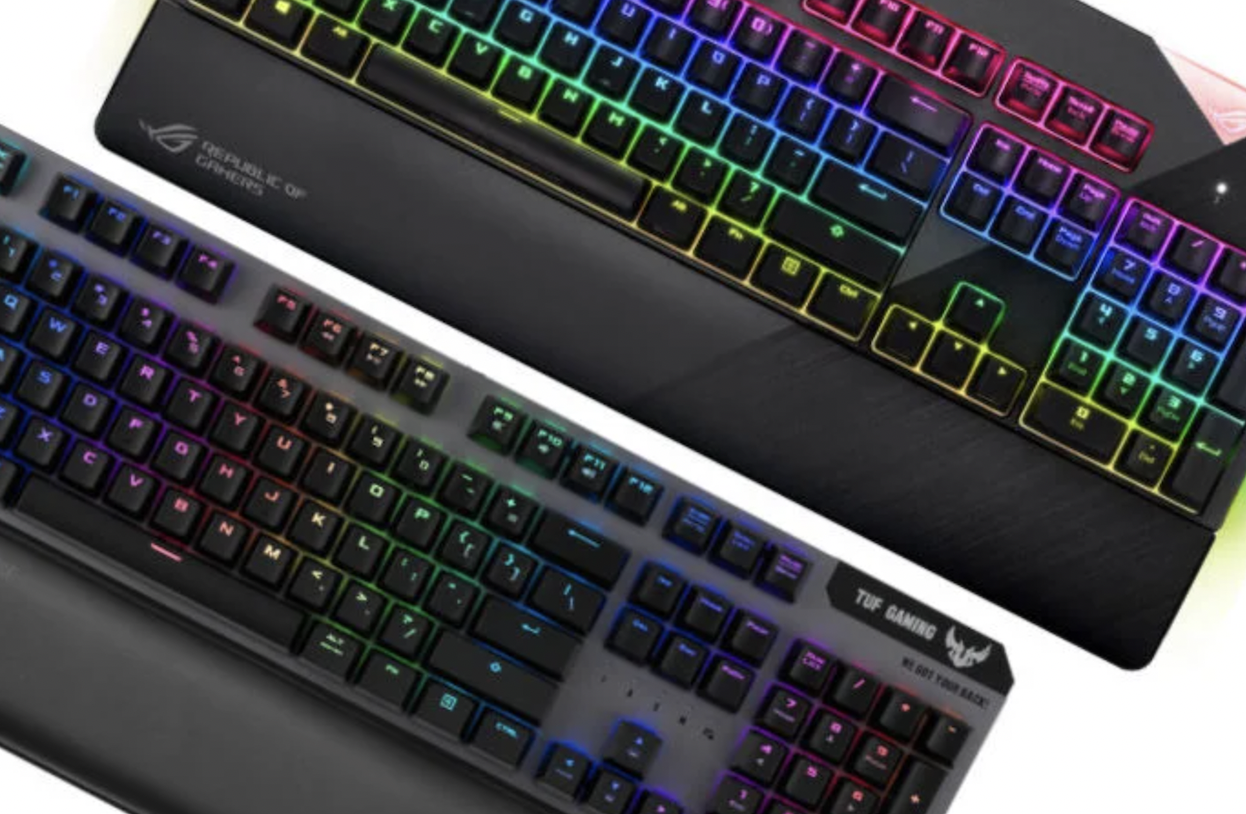
Introduction to Tournament Ready Input Gear
Victory in digital arenas often begins with dependable hardware. Skilled competitors demand rapid response, clear feedback, and durable construction. Therefore, selecting the right typing device matters greatly.
Modern competitive setups rely on advanced mechanical switches. These components provide consistent actuation and immediate reset. As a result, actions trigger faster during intense matches.
Furthermore, professional players prefer compact layouts and programmable features. Such options improve efficiency without cluttering the desk. Consequently, reaction speed improves during high pressure rounds.
Why Mechanical Switches Dominate Competitive Gaming
Mechanical technology changed interactive control dramatically. Each press activates a dedicated switch instead of a rubber membrane.
First, tactile feedback helps players confirm every command instantly. Next, consistent travel distance ensures predictable movement timing. Additionally, sturdy build quality supports millions of presses.
Moreover, faster reset points allow repeated actions without delay. Therefore, professionals maintain rhythm during combat scenarios. Eventually, this advantage translates into higher accuracy.
Speed Focused Optical Innovation
Optical switches represent a newer advancement within competitive equipment. Instead of metal contact, light sensors register each press.
Because of this design, response time becomes extremely fast. Furthermore, wear decreases since physical friction drops. Consequently, many elite players now adopt optical systems.
A popular example includes the Razer Huntsman V3 Pro created by Razer. Adjustable actuation lets users customize sensitivity precisely.
Therefore, quick shooters benefit greatly from this technology. Rapid firing and quick strafing become easier.
Compact Layouts Improve Competitive Focus
Large boards often waste valuable desk space. However, compact layouts increase mouse movement area.
Tenkeyless designs remove the numeric section entirely. Consequently, players position their mouse closer to the center. This adjustment reduces shoulder strain during extended sessions.
Even smaller 60 percent layouts emphasize pure efficiency. Essential keys remain available while extra components disappear. As a result, professional desks appear clean and optimized.
One excellent compact example includes the SteelSeries Apex Pro Mini from SteelSeries.
Programmable Controls Boost Tactical Flexibility
Customization often separates amateurs from tournament contenders. Programmable keys allow complex commands with single presses.
Software suites enable macro recording and lighting configuration. Consequently, players create profiles tailored for different titles.
Moreover, onboard memory stores settings directly inside the device. Therefore, configurations travel easily between systems.
The Corsair K70 RGB Pro by Corsair demonstrates this flexibility effectively. Dedicated software allows detailed command mapping.
Thus, users maintain consistent control across multiple gaming environments.
Build Quality Matters During Marathon Sessions
Competitive practice sessions often last several hours. Consequently, durability becomes essential.
Aluminum top plates strengthen the overall structure. Additionally, double shot keycaps resist fading after extensive use.
Stabilizers also improve larger keys such as spacebars. Therefore, presses remain smooth without wobble.
For instance, the Logitech G Pro X TKL from Logitech combines strong materials with modular switches. Players can replace switches without soldering.
Such versatility extends device lifespan considerably.
Low Latency Connectivity for Competitive Accuracy
Fast connection speed influences responsiveness significantly. Wired USB connections traditionally deliver the lowest delay.
However, advanced wireless technology now rivals wired performance. Modern protocols reduce lag dramatically.
Therefore, some professionals prefer wireless setups for cleaner desks. Freedom of movement improves comfort during tournaments.
One strong wireless option includes the Logitech G915 Lightspeed. Its fast connection maintains excellent responsiveness.
As a result, players enjoy both mobility and precision.
Lighting Features Enhance Visual Awareness
RGB lighting may appear decorative initially. Nevertheless, it offers practical benefits.
Custom illumination highlights essential keys for different games. Consequently, players locate commands faster during intense moments.
Furthermore, synchronized lighting across peripherals creates immersive environments. This atmosphere increases focus.
Many modern devices support detailed lighting software. Therefore, users design unique visual profiles.
Choosing the Right Keyboard for Competitive Success
Selecting an ideal board requires careful evaluation. First, consider switch type and actuation preference. Next, examine layout size and desk space.
Additionally, review build materials and software support. Reliable construction prevents interruptions during long sessions.
Connectivity also deserves attention. Wired setups ensure absolute stability. Meanwhile, premium wireless solutions offer flexibility.
Finally, personal comfort should guide the decision. Testing several models helps identify the perfect feel.
Conclusion: Precision Hardware Elevates Competitive Play
Professional gaming demands accuracy, reliability, and speed. High performance keyboards deliver all three qualities.
Mechanical switches provide satisfying feedback. Optical designs push responsiveness even further.
Compact layouts improve ergonomics and mouse control. Meanwhile, programmable features enable tactical efficiency.
Therefore, investing in quality input gear strengthens performance significantly. Skilled competitors rely on dependable equipment every day.
Ultimately, the right keyboard becomes an extension of the player. Precision tools help transform quick reactions into winning moments.