
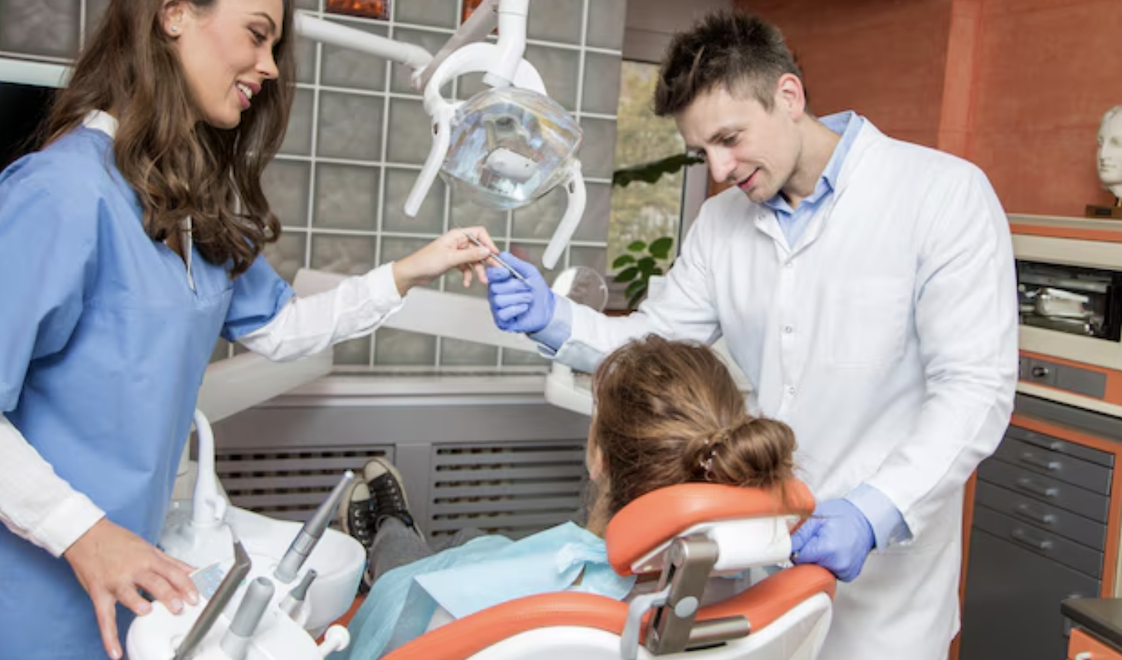
Strong oral wellness grows through routine attention and wise preventive steps. Good habits protect enamel, gums, and jaw structure over time. Preventive support stops small concerns before they turn painful or expensive.
Moreover, early care improves comfort, speech clarity, and chewing ability. Consistent maintenance keeps your mouth functioning smoothly throughout life.
This guide explores four essential preventive solutions that maintain long lasting oral stability. Each method reduces decay risk and protects structural strength. Together, they form a dependable defense against serious complications.
1. Routine Oral Checkups And Professional Hygiene
Regular clinical visits create the backbone of long term mouth wellness. Daily brushing helps significantly. However, some areas remain unreachable during normal cleaning.
Therefore, hardened plaque slowly accumulates across hidden surfaces. Dental professionals safely remove these deposits using specialized instruments.
During an appointment, practitioners examine several critical conditions.
- Early cavity formation
- Gum irritation or bleeding
- Structural wear along chewing surfaces
Furthermore, hygienists clear debris beneath the gum margin and between narrow spaces. Consequently, bacteria levels drop and inflammation risk decreases. Early discovery simplifies treatment procedures. Smaller repairs save time, money, and discomfort later.
Regular evaluations also track alignment changes, enamel erosion, and bite pressure patterns. Thus, providers detect hidden problems before symptoms appear. Suggested visiting patterns usually follow age and health conditions.
Young children typically attend twice yearly for growth monitoring. Teenagers benefit from the same schedule because new molars appear during this stage. Adults often maintain visits every six to twelve months depending on risk level. Older individuals sometimes require shorter intervals due to medical factors. Consequently, structured examinations build the first layer of protection.
2. Fluoride Reinforcement For Enamel Strength
Fluoride treatments strengthen enamel surfaces and restore early mineral loss. This natural element rebuilds weakened areas before cavities develop.
Additionally, fluoride increases resistance against acid attacks produced by bacteria and sugary foods. Professional application occurs quickly during preventive visits. The process involves three simple stages.
First, hygienists prepare surfaces through thorough polishing. Next, fluoride solution coats each exposed area. Finally, patients avoid eating briefly afterward. This short procedure provides a powerful defense for both children and adults.
Young individuals gain particular benefit because developing enamel absorbs minerals more efficiently. Meanwhile, adults experiencing dry mouth or frequent cavities also gain protection. Dry mouth reduces saliva flow. Consequently, acids remain longer and cause damage faster.
Therefore, fluoride replenishment becomes especially valuable in such conditions. Professional products appear in several forms, including foam, gel, and varnish. Each option delivers concentrated mineral protection safely.
Furthermore, dentists often recommend continued use of fluoridated toothpaste at home. Together, these sources maintain consistent enamel strength. Thus, fluoride therapy forms the second barrier against deterioration.
3. Dental Sealants That Block Hidden Decay
Back molars contain deep grooves across the chewing surfaces. Unfortunately, these narrow pits easily trap food particles and microbes. Even careful brushing cannot reach every tiny channel. Therefore, cavities frequently begin within those grooves. Dental sealants solve this challenge through a thin protective coating. This layer covers vulnerable areas and blocks harmful buildup. The placement procedure remains simple and painless.
First, clinicians clean and dry the targeted surface. Next, a gentle solution prepares enamel for bonding. Afterward, the liquid sealant spreads across grooves. Finally, a special curing light hardens the material quickly. Consequently, the tooth receives an immediate protective shield.
Sealants are commonly applied soon after permanent molars appear in childhood. Early placement protects new chewing surfaces during cavity prone years. However, adults with deep pits can also benefit from this barrier.
Studies consistently show dramatic cavity reduction in sealed molars. Moreover, protection often lasts several years with routine inspection. Meanwhile, dental teams check coatings during each preventive visit. If wear occurs, additional material restores coverage. Thus, sealants form a powerful third defense within preventive care strategies.
4. Personalized At Home Care Guidance
Professional visits remain essential. Nevertheless, everyday habits determine long term results. Therefore, dental professionals guide patients toward effective home routines.
Personalized instruction usually includes several practical strategies.
- Brush twice daily using fluoride toothpaste
- Clean between teeth using floss or interdental tools
- Limit sugary beverages and frequent snacking
Additionally, professionals demonstrate proper brushing angles and duration. Small technique adjustments often improve cleaning effectiveness dramatically.
Patients also learn how to maintain oral appliances. Mouthguards, retainers, and dentures require specific hygiene routines.
Furthermore, nighttime beverage choices influence cavity development. Sugary drinks before sleep increase bacterial activity. Therefore, dentists often recommend drinking water as the safest choice in the evening.
Dietary guidance also supports oral stability. Crunchy vegetables stimulate saliva flow, which neutralizes harmful acids. Meanwhile, balanced nutrition strengthens gum tissue and supports bone. Consequently, personalized coaching becomes the fourth pillar of preventive protection.
How These Four Services Work Together
Each preventive measure provides important benefits independently. However, combined care delivers the strongest defense. Routine checkups identify early structural changes quickly. Fluoride fortifies enamel and reverses early damage. Sealants guard vulnerable molar grooves from trapped debris. Meanwhile, daily habits maintain cleanliness between appointments.
Together, these strategies reduce infection risk and limit costly procedures later. Moreover, consistent prevention improves comfort and confidence during everyday activities. Clear speech and pain free chewing support overall well being.
Preventive dentistry protects both appearance and physical health. Furthermore, early maintenance reduces emergency visits that interrupt work, school, or family routines. Establishing a consistent schedule with a trusted professional remains the best approach.
Discuss your history, age, and lifestyle factors during consultations. Then follow a tailored preventive plan designed for your needs. Through steady care, small steps today secure a resilient smile for decades ahead.