Artificial Intelligence (AI) can recognize speech and images with remarkable accuracy, transforming how humans interact with technology. From voice assistants to facial recognition systems, this capability is reshaping industries, daily life, and digital experiences. As AI continues to evolve, its ability to understand visual and audio data is becoming faster, smarter, and more reliable.
What Does It Mean That AI Can Recognize Speech and Images?
When we say AI can recognize speech and images, we mean that machines are trained to interpret sounds and visuals in ways similar to human perception. Speech recognition allows AI systems to convert spoken words into text, while image recognition enables them to identify objects, faces, patterns, and scenes within images or videos.
These technologies rely on advanced machine learning models, especially deep learning and neural networks, which learn from vast amounts of data to improve accuracy over time.
How AI Speech Recognition Works
AI speech recognition systems analyze sound waves and break them into patterns. These patterns are then matched with known language models. Over time, AI learns accents, tones, and speaking styles.
Common uses of AI speech recognition include:
- Voice assistants like smart speakers and mobile apps
- Real time transcription and translation tools
- Hands free controls in vehicles and smart devices
- Customer support chatbots with voice input
This technology improves accessibility and allows users to interact with devices more naturally.
How AI Image Recognition Works
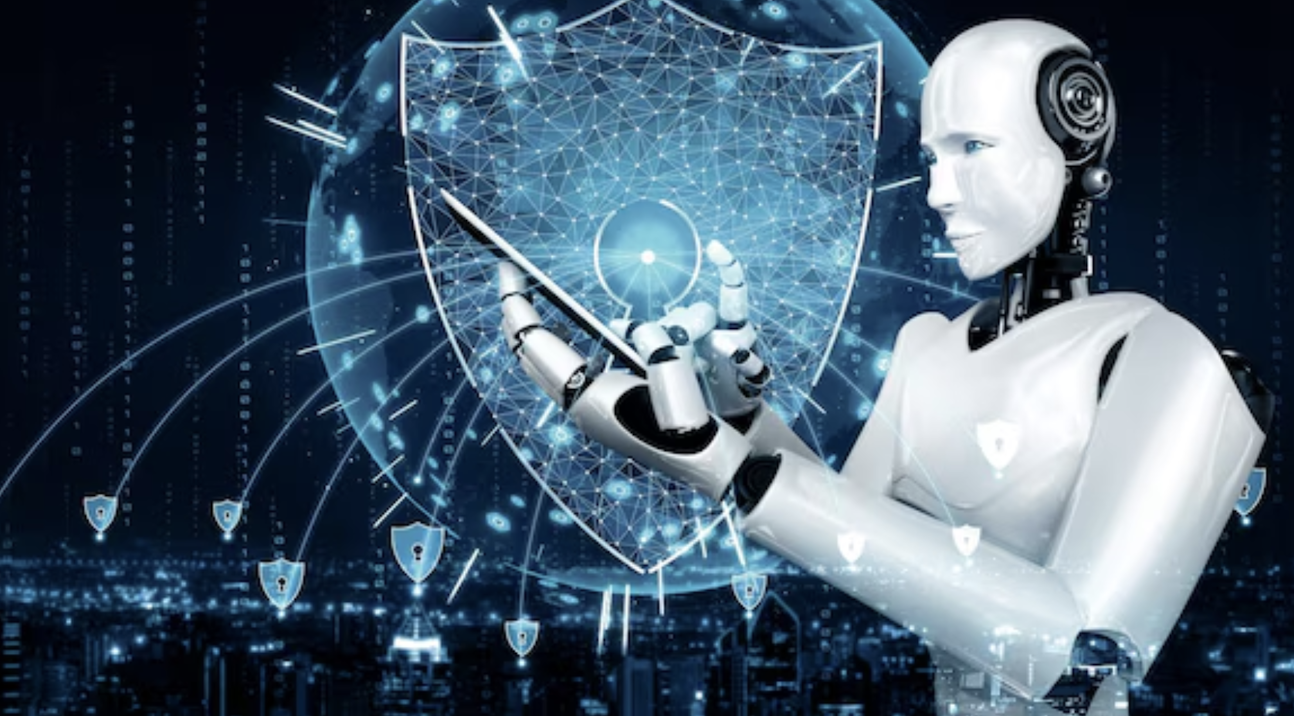
AI image recognition uses computer vision to process and analyze visual data. Neural networks scan images pixel by pixel to detect shapes, colors, and features. With training, AI learns to recognize complex objects and even emotions on faces.
Popular applications of AI image recognition include:
- Facial recognition for security and authentication
- Medical imaging analysis for faster diagnosis
- Product recognition in e commerce platforms
- Image search and photo organization
As datasets grow, image recognition systems become more precise and context aware.
Why AI Speech and Image Recognition Matter
The ability of AI to recognize speech and images creates smarter systems that save time and reduce human effort. Businesses gain efficiency, users enjoy convenience, and industries benefit from automation and accuracy.
Key benefits include:
- Improved user experience through natural interaction
- Faster decision making based on real time data
- Enhanced safety and security solutions
- Better accessibility for people with disabilities
Challenges and Ethical Considerations
Despite its advantages, AI recognition technology faces challenges. Data privacy, bias in training data, and accuracy across diverse populations remain important concerns. Ethical use depends on responsible innovation and clear, transparent policies that guide its development.
The Future of AI Recognition Technology
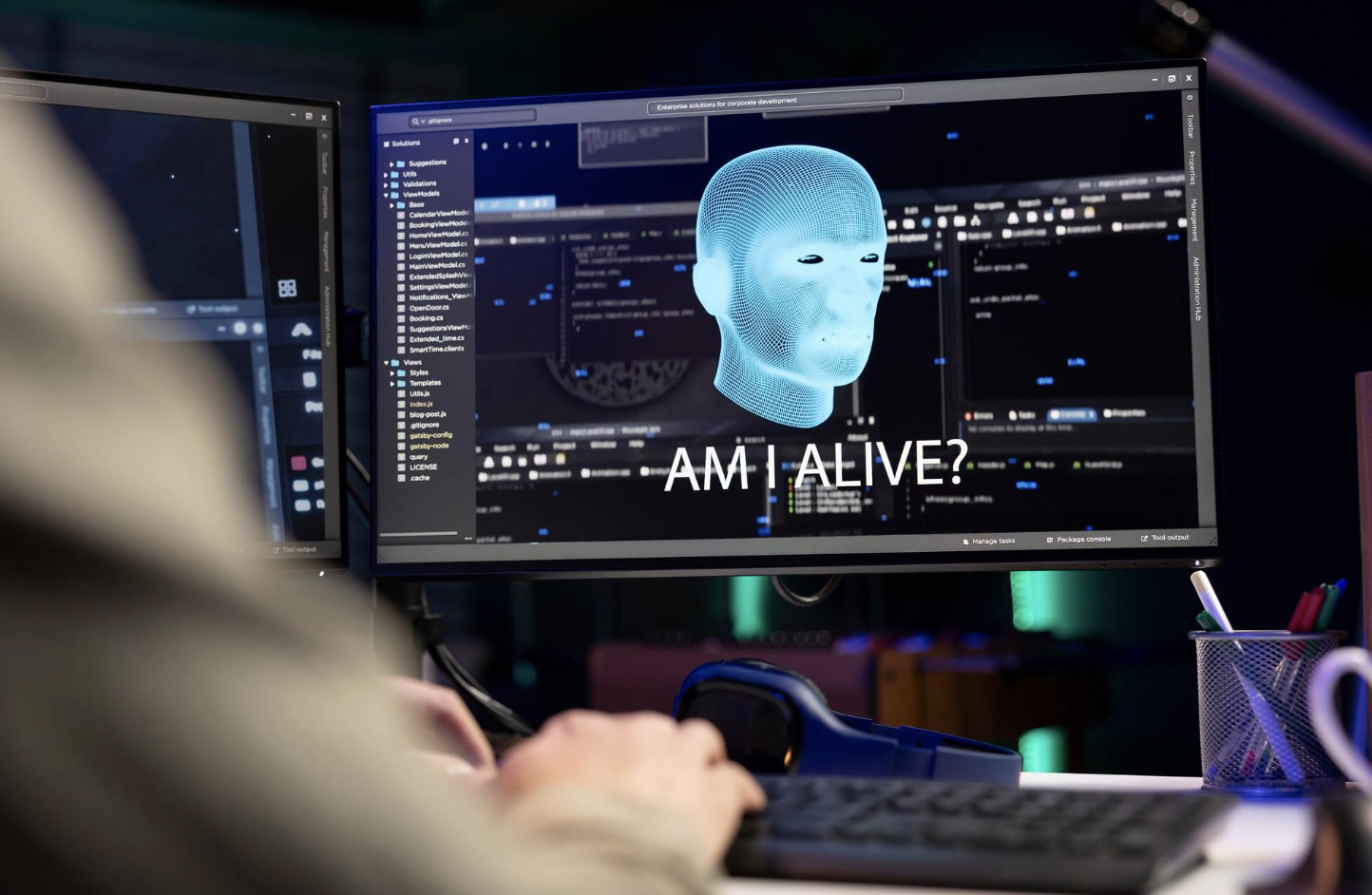
As computing power increases, AI will recognize speech and images with even greater precision. Future systems will understand context, emotions, and intent more deeply, bringing AI closer to human like perception.
Conclusion
AI can recognize speech and images, making technology more intuitive, efficient, and intelligent. From everyday tools to advanced professional systems, this capability continues to redefine digital interaction. With responsible innovation, AI recognition technologies will play a central role in shaping the future of technology.