Over the past decade but especially since the global rise of digital streaming music performance has undergone a radical transformation. The once clear boundary between “local” and “international” artists is dissolving as virtual concerts open the floodgates to global reach. Today, a singer in a small studio can attract fans across continents without ever leaving home. This digital shift isn’t just a passing trend born of lockdowns it’s a sustainable new chapter in how creativity, technology, and community converge.
The Emergence of the Digital Stage
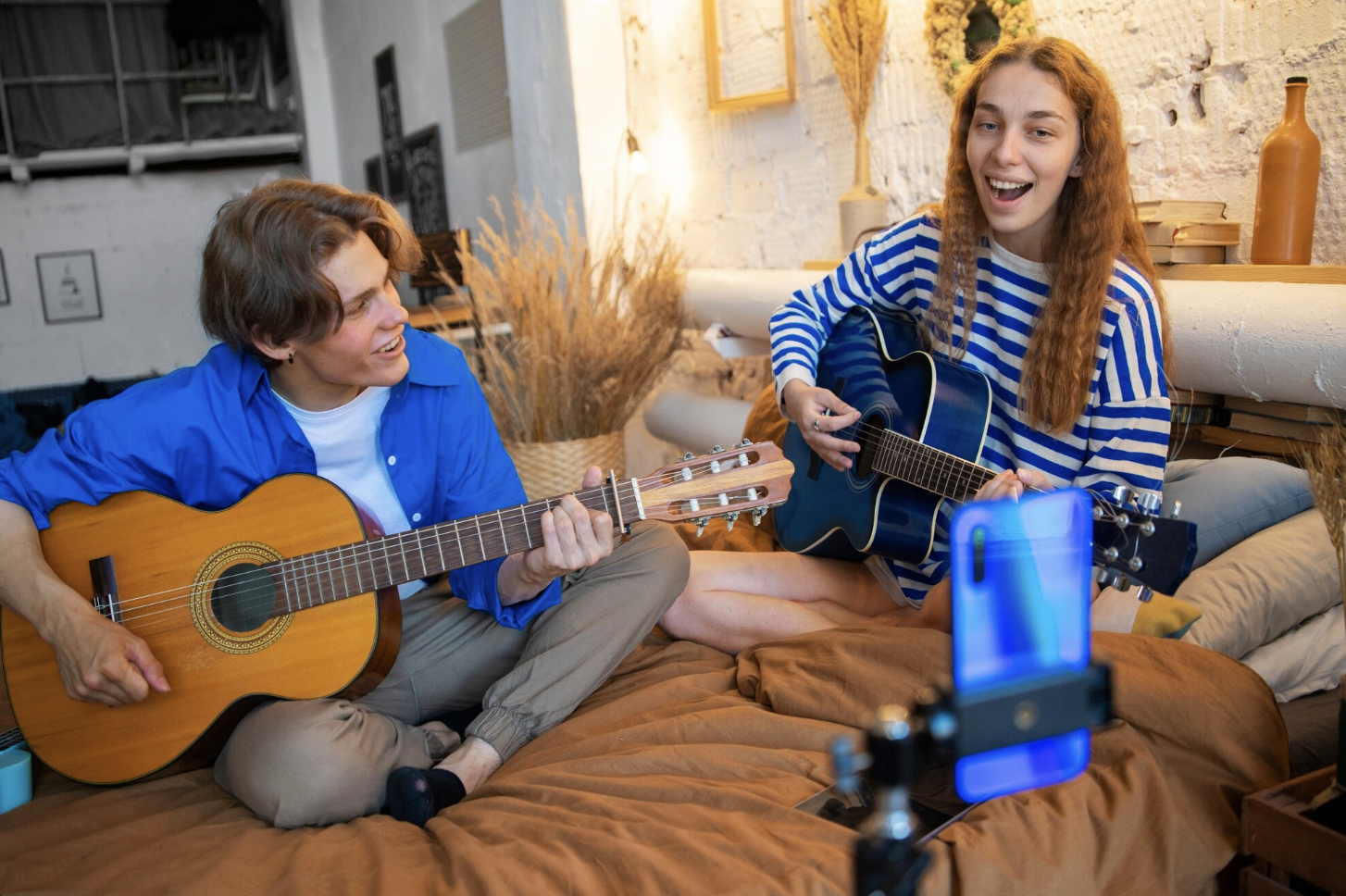
Live music used to depend on geography. A band was limited by the size of its city, the availability of venues, and the willingness of fans to travel. The virtual concert changed that dynamic entirely. Through platforms such as YouTube Live, Twitch, Instagram, and countless music‑focused apps, performances now take place online before borderless audiences. A single livestream can bring together fans from Manila, Manchester, and Miami simultaneously.
What makes this possible is the accessibility of tools once reserved for professional studios: affordable HD cameras, intuitive editing software, and real‑time chat features. For musicians starting out, these tools eliminate traditional bottlenecks like high production costs or dependence on large promoters. The result is a democratization of talent discovery global audiences can stumble upon a local gem purely through a viral stream.
Equal Opportunity for Local Talent
For decades, breaking into the international music scene demanded daunting investments in touring, marketing, and logistics. Virtual concerts now offer a cost effective alternative. A folk artist from a rural community or an indie rapper from a small town can invite fans to live events online without worrying about visas, venue fees, or travel expenses.
More importantly, it gives culture itself a global stage. Local songs, rhythms, and dialects that reflect unique traditions are being shared far beyond regional limits. This exposure not only uplifts individual artists but also promotes cultural diversity in global media, allowing listeners to appreciate art from perspectives they may never have encountered before.
Smart artists capitalize on this shift by integrating their regional identity into their branding showing that being local is not a limitation but a distinctive asset.
Building Connections Beyond Borders
One of the most magical aspects of virtual concerts is audience interaction. During a live broadcast, fans can comment, make song requests, or share instant feedback. The chat scrolls like a chorus, expressing joy, nostalgia, or encouragement. This immediacy forges a unique sense of belonging. Unlike traditional stage setups with spotlights and barriers separating performer from crowd virtual concerts often feel conversational and intimate.
This closeness extends to fan support. Integrated monetization features such as tipping, membership subscriptions, and digital merchandise turn appreciation into tangible income. Artists who were once dependent on middlemen can now earn directly from loyal fans, building self‑sustaining careers even without major label backing.
Creativity Meets Technology
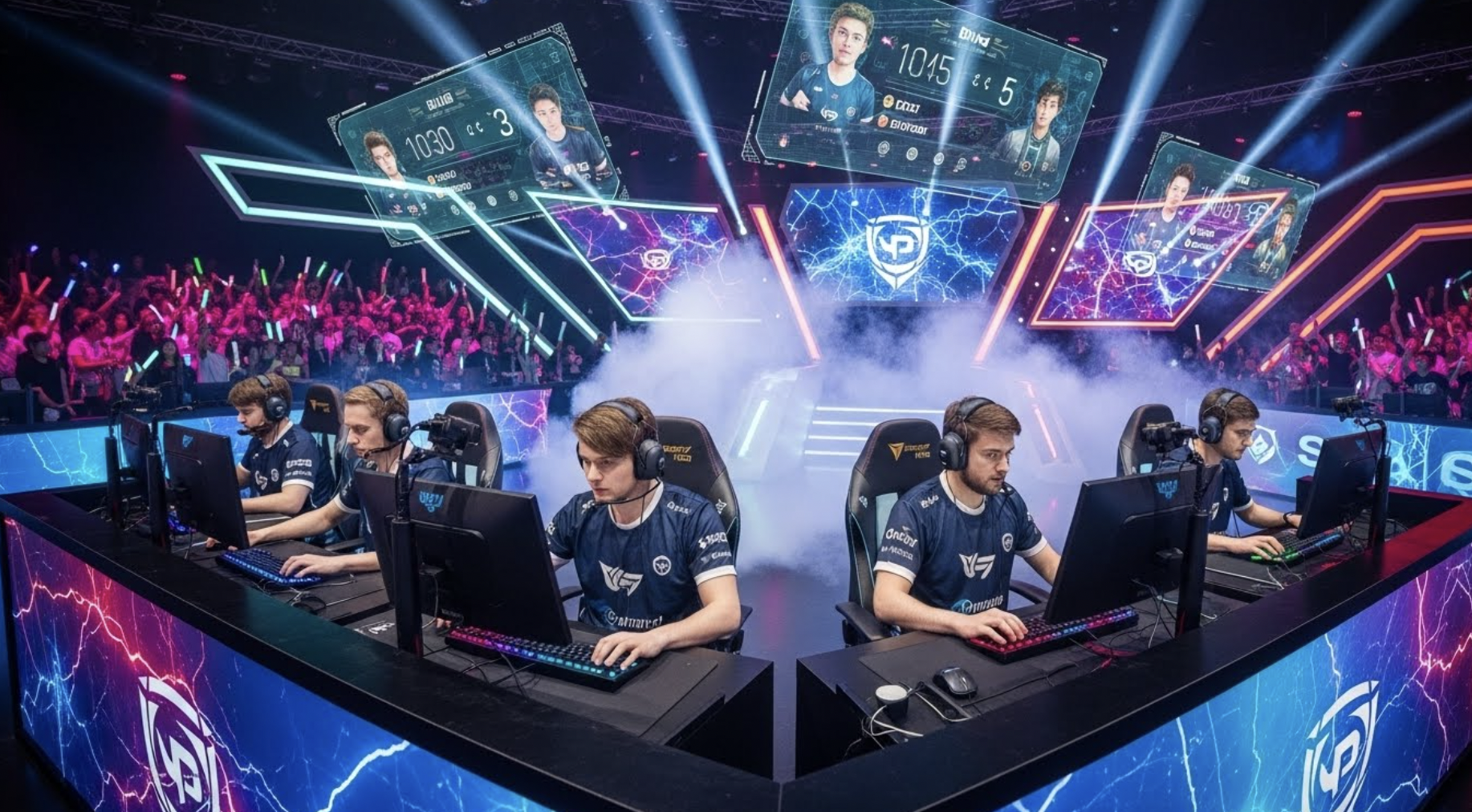
Beyond streaming simplicity, technology empowers imagination. Advances in virtual reality (VR), augmented reality (AR), and 3D visual effects enable artists to create immersive environments rather than static backdrops. A virtual stage can transform into a cosmic landscape, an underwater fantasy, or a projection of the artist’s hometown skyline. These creative elements enhance storytelling and give every performance its own identity.
Independent creators are embracing this as part of their artistry. Some design interactive concerts where viewers control camera angles; others include animated visual narratives synchronized with the music. This innovation keeps audiences engaged while showcasing the artist’s technological fluency a powerful combination in the digital era.
Accessibility and Inclusivity for All
Perhaps the most revolutionary impact of virtual concerts is inclusion. Anyone with an internet connection regardless of location or physical ability can enjoy live music. Tickets are often priced lower than physical events, opening opportunities to students, remote workers, or fans in regions without big concert venues.
Moreover, accessibility features like captions, sign language overlays, and multilingual subtitles are becoming common practice, ensuring that everyone can participate. For communities often excluded from traditional entertainment spaces, virtual concerts represent both cultural participation and empowerment.
The Path Forward: Hybrid Futures
Experts predict that the next wave of live entertainment will blend physical and digital performance models. Hybrid concerts where an artist performs in one venue while streaming to viewers worldwide will likely become the norm. These multi layered events extend a show’s life span, allowing fans to attend in person or online according to their preferences.
As digital infrastructure improves, artists are expected to integrate advanced analytics, blockchain‑based royalties, and personalized fan experiences. In the coming years, the distinction between local and international artistry may fade altogether, replaced by a new measure of success: global connectivity through creative authenticity.
Conclusion
Virtual concerts have rewritten the rules of exposure, connection, and creativity. They allow local artists to share their voices on a worldwide stage without compromising authenticity or accessibility. By merging art and technology, performers no longer rely solely on geography to define their success. For audiences, this means a richer, more diverse stream of global sounds ready to be discovered at the click of a button.
In this evolving music landscape, one truth stands firm: the power of performance is no longer confined by walls, venues, or miles. Wherever talent lives, the world can now listen.