
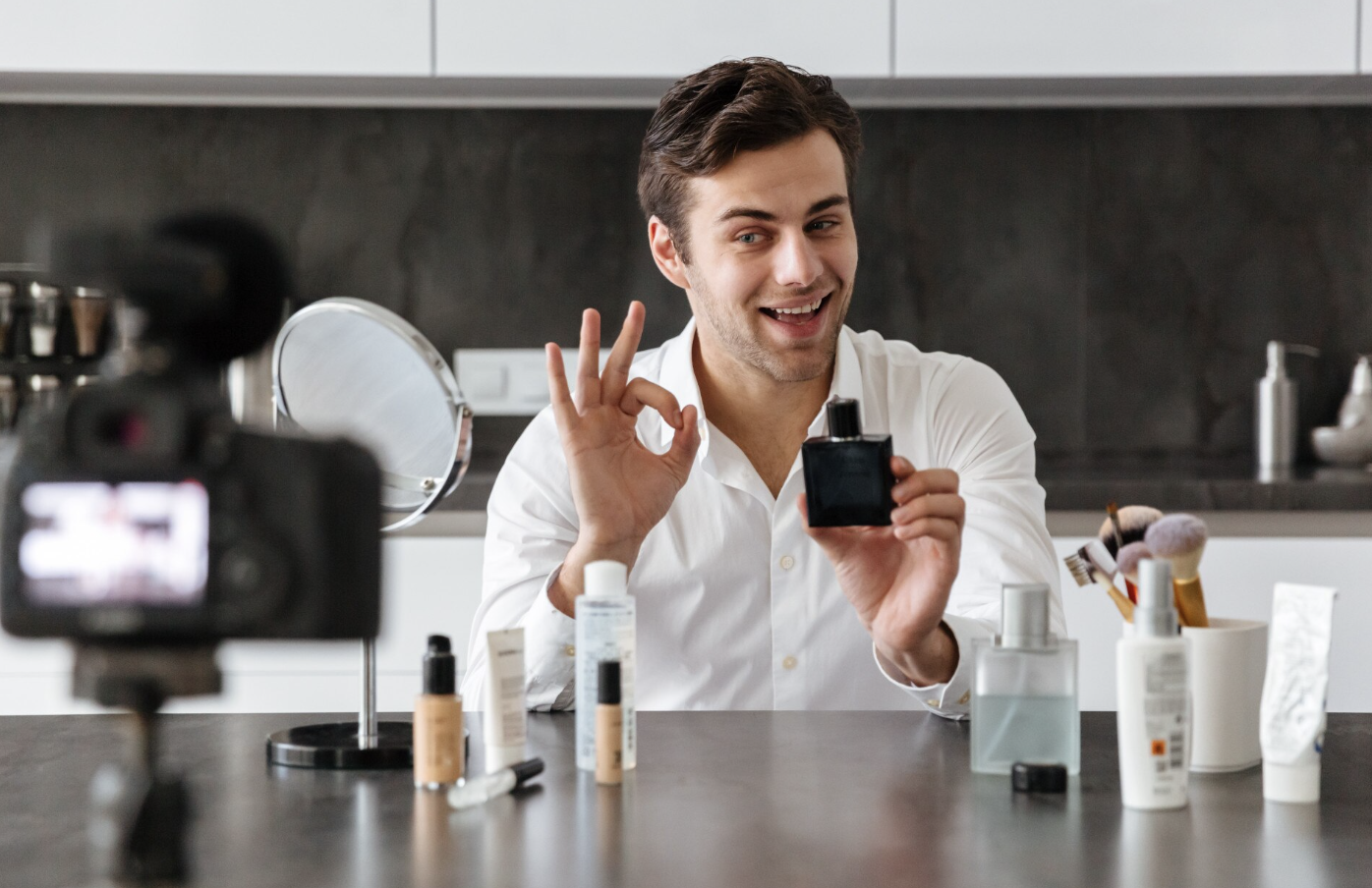
The skincare industry is undergoing a fundamental shift. Today’s consumers no longer rely on catchy slogans or celebrity endorsements when choosing products. Instead, they make decisions based on research, evidence, and real-world results. As a result, skincare brands must evolve to meet a smarter, more analytical audience.
In the past, strong advertising could drive rapid sales. However, modern buyers behave differently. They investigate before purchasing, compare alternatives carefully, and expect brands to prove their claims. Success in skincare now depends on understanding how consumers think, evaluate, and build trust.
The Rise of the Informed Skincare Consumer
Easy access to online information has transformed buying behaviour. Consumers now study product formulations, ingredient safety, and clinical relevance before committing to a brand. Emotional storytelling alone is no longer enough to convert buyers.
Today’s skincare consumers commonly:
- Review complete ingredient lists
- Verify claims using expert or scientific sources
- Compare formulations across multiple brands
- Avoid exaggerated or unrealistic promises
- Look for consistent, proven performance
Because expectations are higher, brands must ensure accuracy across all messaging. Any inconsistency can quickly undermine credibility.
Trust Has Become the Primary Purchase Driver
In the current market, trust is the strongest factor influencing skincare decisions. Without it, even premium positioning struggles to deliver long-term success. Transparency and reliability now outweigh aggressive marketing.
Trust is built when brands consistently provide:
- Honest and detailed product information
- Results that match expectations over time
- Safe, compliant formulations
- Responsible ingredient choices
Once trust is established, loyalty follows naturally. Conversely, misleading claims can damage brand reputation almost instantly.
Transparency Is Now a Core Brand Requirement
Modern consumers expect more than ingredient disclosure. They want insight into how products are made, tested, and sourced. Transparency has become a defining measure of brand integrity.
This includes visibility into:
- Manufacturing and quality standards
- Safety and stability testing processes
- Ethical sourcing of raw materials
- Environmental and social responsibility
To meet these expectations, many brands partner with structured manufacturers such as Zicail. These partnerships support traceability, accountability, and consistent production quality.
Manufacturing Consistency Drives Consumer Confidence
While most consumers may not understand production systems, they immediately notice inconsistency. Changes in texture, scent, or performance quickly reduce confidence.
High-quality manufacturing ensures:
- Uniform product texture and fragrance
- Stable formulation performance
- Predictable shelf life
- A consistent user experience
Because of this, manufacturing quality directly shapes brand perception. Reliability strengthens trust with every application.
Personalised Skincare Has Become the New Standard
Consumers increasingly expect skincare tailored to their specific needs. One-size-fits-all products feel outdated in a market driven by individual preferences and conditions.
Current personalisation trends include:
- Formulations designed for specific skin types
- Minimalist products with focused active ingredients
- Climate and lifestyle aware skincare solutions
- Smaller, purpose-driven product ranges
Flexible manufacturing systems allow brands to offer personalised solutions without compromising quality or scalability.
OEM and ODM Manufacturing Enable Faster Innovation
OEM and ODM production models allow skincare brands to stay agile. Rather than investing in in-house facilities, brands can focus on market insight, branding, and customer experience.
With reliable OEM or ODM partners, brands can:
- Reduce product development timelines
- Refine formulations based on consumer feedback
- Maintain strict quality control
- Scale production efficiently
As trends shift rapidly, this flexibility is no longer optional; it is a competitive necessity.
Education Now Shapes Skincare Buying Decisions
Education plays a central role in modern skincare marketing. Consumers want to understand what they apply to their skin and why it works. Brands that educate earn authority and trust.
Effective educational content often explains:
- How specific ingredients function
- Proper usage and application methods
- Skin barrier health and formulation science
- Realistic expectations and limitations
When consumers feel informed, satisfaction increases and return rates decrease. Education strengthens long-term brand relationships.
Sustainability Influences Brand Relevance
Sustainability has moved from a bonus feature to a baseline expectation. Many consumers actively choose brands that demonstrate environmental and social responsibility, particularly younger buyers.
Sustainability-focused consumers value:
- Responsibly sourced ingredients
- Eco-conscious packaging solutions
- Reduced waste in manufacturing
- Ethical labour practices
Brands that ignore sustainability risk will experience long-term decline, while responsible brands build deeper emotional loyalty.
Consistency Is the Foundation of Long Term Loyalty
Initial purchases may be driven by curiosity, but repeat purchases depend on reliability. Consumers expect the same results every time they repurchase a product.
Consistency helps brands:
- Retain customers
- Generate positive reviews
- Increase lifetime customer value
- Strengthen long-term reputation
Professional manufacturing systems ensure that each batch meets the same quality standards, reinforcing trust with every use.
How Forward Thinking Skincare Brands Are Adapting
Successful skincare brands align their operations with evolving consumer behaviour. They listen closely to feedback, invest in quality systems, and communicate clearly.
These brands typically:
- Monitor customer insights continuously
- Prioritise manufacturing excellence
- Commit to transparent communication
- Adapt quickly to emerging trends
Manufacturing partners like Zicail skincare enable brands to balance quality, scalability, and transparency efficiently.
Consumer First Strategies Drive Sustainable Growth
Brands that prioritise consumers over trends build lasting success. Instead of chasing short term attention, they focus on trust and long term relationships.
Consumer-centric strategies help brands:
- Reduce customer churn
- Increase repeat purchases
- Strengthen market positioning
- Achieve sustainable growth
Over time, trust-driven brands consistently outperform competitors.
Conclusion
Skincare consumer behaviour has evolved significantly. Today’s buyers are informed, selective, and guided by values. They demand transparency, consistency, and responsibility from the brands they support.
For skincare brands, strong marketing alone is no longer enough. Professional manufacturing, reliable quality control, and trustworthy partnerships are essential. Brands that adapt to this smarter consumer mindset will earn loyalty, build credibility, and succeed in an increasingly competitive skincare market.