
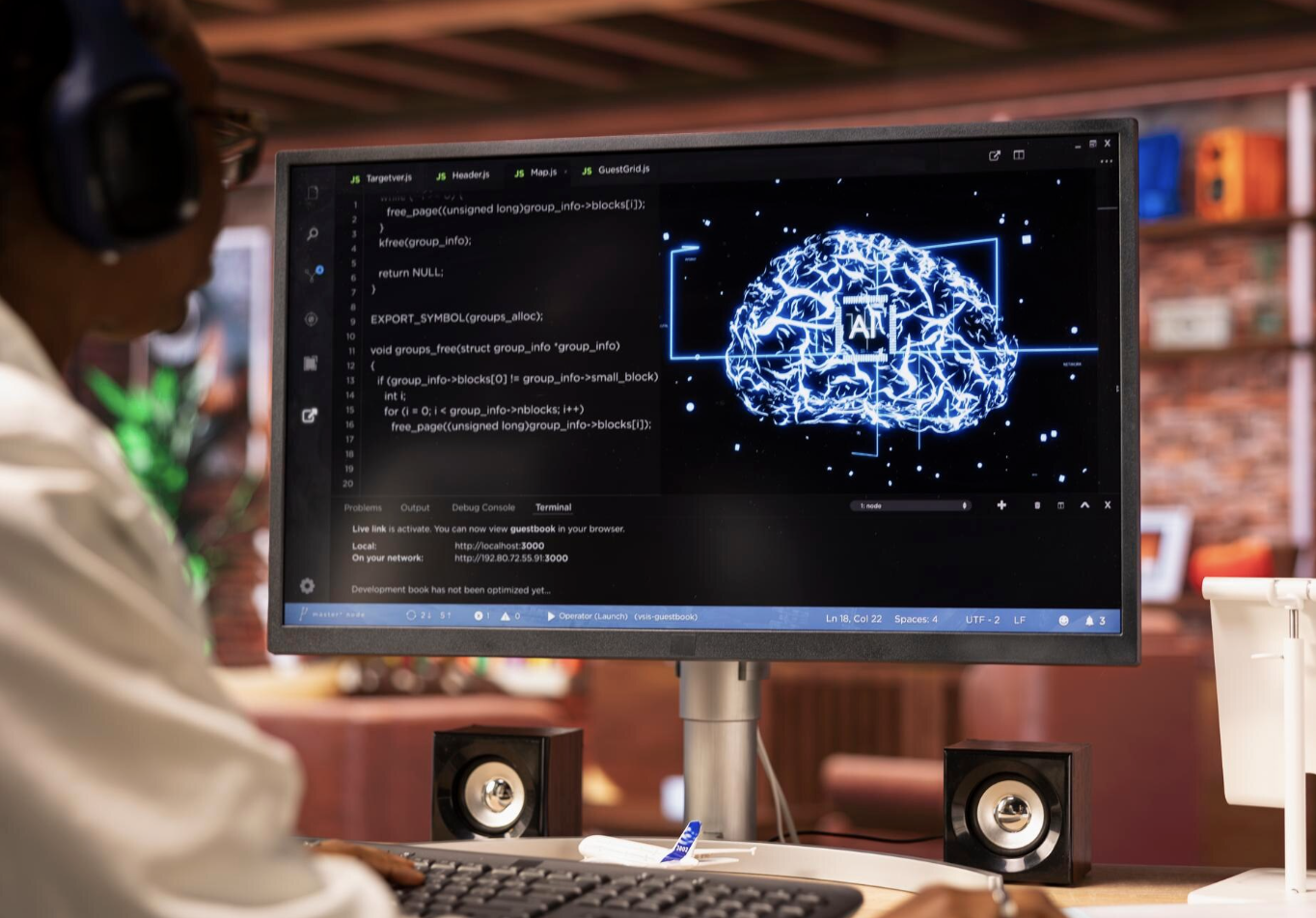
Software is a set of instructions for computers, but its role goes far beyond simple commands. It is the invisible logic that turns lifeless hardware into powerful, intelligent systems. From smartphones and laptops to cars and medical equipment, software quietly drives modern life. Understanding its importance helps explain why technology continues to advance at such a rapid pace.
What Software Really Means in Computing
At its core, software is a structured collection of instructions that tells a computer exactly what to do. These instructions guide how data is processed, stored, displayed, and protected. Without software, computer hardware would have no purpose. Therefore, software acts as the brain that controls every digital action.
Moreover, software allows computers to perform complex tasks repeatedly with accuracy and speed. This enables automation, analysis, and communication across various industries.
Types of Software and Their Roles
Software exists in different forms, each serving a unique function. System software, such as operating systems, manages hardware resources and provides a stable platform for applications. Application software helps users perform specific tasks like writing documents, editing photos, or managing finances.
In addition, programming software enables developers to create new programs. Together, these types form a complete ecosystem that keeps digital systems running smoothly.
Why Software Is Essential in Modern Technology
Software defines how efficiently a computer operates. Well-designed instructions improve performance, security, and user experience. As a result, businesses rely on software to increase productivity, reduce errors, and make informed decisions.
Furthermore, software enables innovation. Technologies like artificial intelligence, cloud computing, and data analytics exist only because software can process massive amounts of information quickly and accurately.
Software as a Bridge Between Humans and Machines
One of software’s greatest strengths is usability. Through intuitive interfaces, software allows humans to interact easily with complex systems. Buttons, icons, and commands translate human intent into machine-readable instructions.
Consequently, software reduces technical barriers and makes technology accessible to people of all skill levels. This accessibility fuels global digital growth.
Security and Reliability Through Software Instructions
Modern software also protects systems from threats. Security instructions control access, encrypt data, and detect malicious activity. Without these protective measures, computers would be vulnerable to constant risk.
Additionally, reliable software ensures consistency. Clear, logical instructions help computers deliver predictable and accurate results, which is critical in fields like healthcare, finance, and engineering.
The Future Power of Software
As technology evolves, software will become even more influential. Smarter algorithms, adaptive systems, and automation will continue to reshape how computers support human needs. Since software is a set of instructions for computers, improving those instructions directly improves technological capability.
Ultimately, software is not just code; it is the foundation of the digital world. By guiding machines with precision and logic, software turns possibility into reality.