
Sports shape more than competition. They create emotional spaces where fans discover identity, connection, and meaning. When people watch a sports broadcast, they enter a shared emotional world that exists beyond stadium walls. This world forms through memory, passion, and cultural symbols. It pulls fans into landscapes that feel real, even though they live only in shared experience.
Loyalty as the Foundation of Emotional Territories
Every emotional map starts with loyalty. Fans attach themselves to teams and create unseen territories that stretch across nations. These areas form through pride, heritage, and connection. Viewers step into these emotional zones during every live broadcast. Loyalty becomes the foundation that shapes their sense of place within the sports world.
Rivalries That Draw Emotional Borders
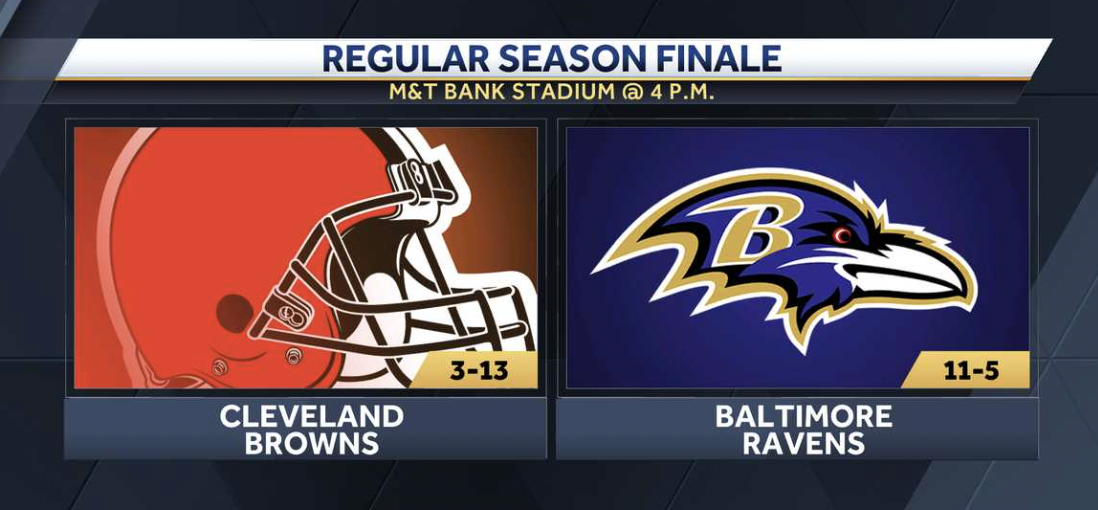
Sports rivalries act like borderlines between emotional nations. These matchups carry intensity and anticipation. A rivalry game feels like entering contested land. Every play creates tension. Fans sense they are standing on the edge of something symbolic. Live broadcasts amplify these borders by bringing every charged moment into focus.
Historic Sports Moments as Emotional Landmarks
Great sports moments work like landmarks on an emotional map. A dramatic victory or heartbreaking loss stays in collective memory. When a broadcast references these events, fans return to those emotional coordinates. These memories help them navigate the larger map of their sports identity. Live broadcasts connect the present with the past, tying every game to history.
Stadiums That Function as Symbolic Capitals
Stadiums hold emotional weight, even for fans watching from home. These venues symbolize identity and legacy. When a broadcast features a legendary arena, viewers feel the significance. The architecture, energy, and sound shape the emotional impact. These spaces become symbolic capitals in the world of sports, carrying meaning far beyond their physical structure.
The Ever Shifting Geography of Emotions
Every match pulls fans through a range of emotions.
- Hope opens new paths.
- Fear creates uncertain valleys.
- Confidence builds firm ground.
- Doubt forms sharp cliffs.
A close game turns this internal geography into a journey. A goal lifts fans to emotional high ground. A mistake sends them into steep drops. A live broadcast guides viewers through these changing inner worlds with every moment.
Shared Emotional Landscapes Across Distance
Fans watching from different locations still move through the same emotional terrain. They experience:
- the rising excitement before the match,
- the tension of final moments,
- the joy of victory,
- the pain of defeat.
These shared landscapes unite viewers. Live broadcasts give fans a common emotional language that crosses physical boundaries.
Digital Spaces That Form Modern Gathering Points
Online spaces expand the emotional world. Fans gather in group chats, forums, and social platforms. They debate, celebrate, and follow the broadcast together. These digital hubs act like meeting places on the emotional map. The live broadcast fuels every conversation and keeps the shared world active.
The Home as a Personalized Emotional Zone
The living room becomes part of this geography. Seats, routines, and small rituals shape personal emotional regions. Family members create micro communities with their own loyalties. Each home becomes a private stadium. Watching a live broadcast transforms familiar spaces into meaningful emotional territory.
Conclusion
Live sports broadcasts build vast emotional landscapes filled with loyalty, rivalry, memory, and hope. These invisible worlds allow fans to connect across distance and experience the same emotional ground together. A live broadcast acts as the gateway to this shared terrain. Sports become more than competition. They become continents of emotion waiting for fans to explore.