Understanding Modern Orthodontic Solutions
Many individuals hesitate before starting alignment solutions. They often imagine discomfort, high fees, or visible appliances. However, modern correction methods feel more comfortable and discreet. Therefore, people gain confidence while improving their oral balance. Moreover, professional evaluation ensures each plan fits individual needs. Specialists assess jaw position, structure, and daily habits carefully. As a result, treatment supports comfort, function, and long-term stability. Consequently, informed decisions help protect oral strength and overall wellness.
Myth One: Alignment Treatment Only Benefits Children
Many assume correction works only during the early years. However, tooth movement remains possible throughout adulthood. Bone condition matters more than age. Therefore, adults regularly begin correction journeys successfully. In fact, many professionals and parents choose alignment options today. Furthermore, mature patients seek functional improvement and stability. They want easier chewing and reduced surface wear.
You may benefit from evaluation if these signs appear:
- An overlapping structure causes cleaning difficulty
- Jaw movement creates tension or sound
- Frequent accidental biting affects the cheeks
Consequently, early or late timing never blocks an improvement opportunity. Instead, a professional review determines the correct path forward.
Myth Two: Treatment Focuses Only on Appearance
Many believe alignment improves visual appeal alone. However, functional benefits provide greater long-term value. Misaligned structure traps food particles easily. Therefore, decay risk increases without proper correction. Additionally, uneven contact creates enamel erosion over time. Consequently, balanced positioning protects surface strength and oral health.
Proper positioning improves these daily functions:
- Efficient chewing with reduced pressure
- Clear speech without strain
- Easier brushing and flossing access
As a result, hygiene becomes more effective and reliable. Moreover, joint movement becomes smoother and less stressful. Therefore, correction improves both function and comfort consistently.
Myth Three: Appliances Always Cause Severe Pain
Fear of constant discomfort stops many individuals. However, modern systems apply a gentle, controlled force. Therefore, mild pressure replaces painful sensations. Initial adjustment may cause short-term soreness. However, that feeling fades within several days. Furthermore, advanced technology improves comfort significantly.
Several simple steps improve adjustment comfort:
- Choose softer meals temporarily
- Use protective wax when needed
- Rinse with a warm salt solution
Consequently, the daily routine continues without major disruption. Most individuals adapt quickly and comfortably.
Typical Duration and Comfort Expectations
Treatment length depends on structural complexity and cooperation. However, timelines remain predictable with professional guidance. Simple correction may be completed within one year. Meanwhile, complex cases require longer supervision.
Common correction timelines include:
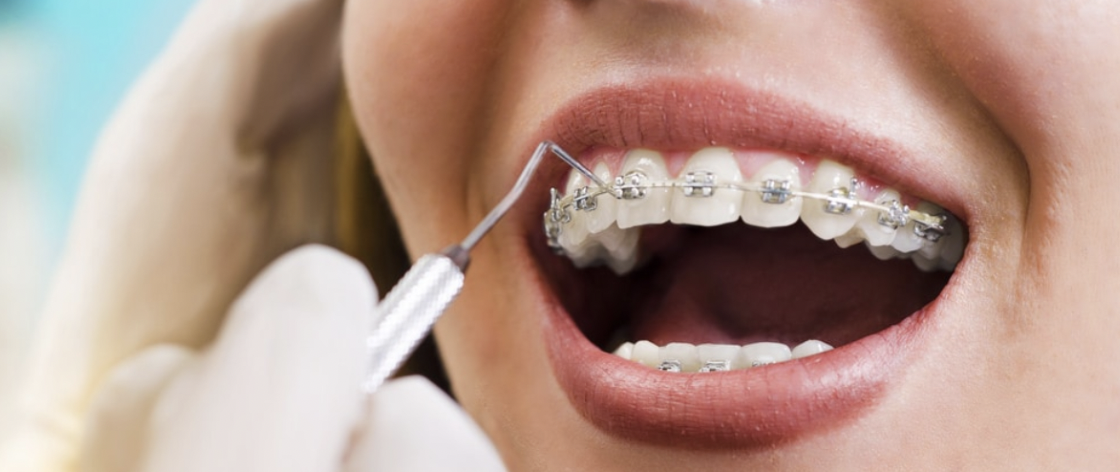
- Fixed appliances: 18 to 30 months
- Clear trays: 12 to 24 months
- Minor correction plans: 6 to 12 months
Follow-up visits ensure steady progress and proper adjustment. Therefore, consistent monitoring supports successful outcomes.
Myth Four: Only Severe Cases Qualify for Correction
Some believe only extreme conditions deserve attention. However, a mild imbalance also deserves professional care. Small gaps create hygiene challenges. Additionally, slight crowding increases surface stress. Therefore, early correction prevents future complications.
Common reasons people seek evaluation include:
- Minor spacing affects appearance
- Crowding traps debris regularly
- Jaw fatigue develops daily
Consequently, early action protects structural stability and comfort.
Professional Evaluation Creates Personalized Solutions
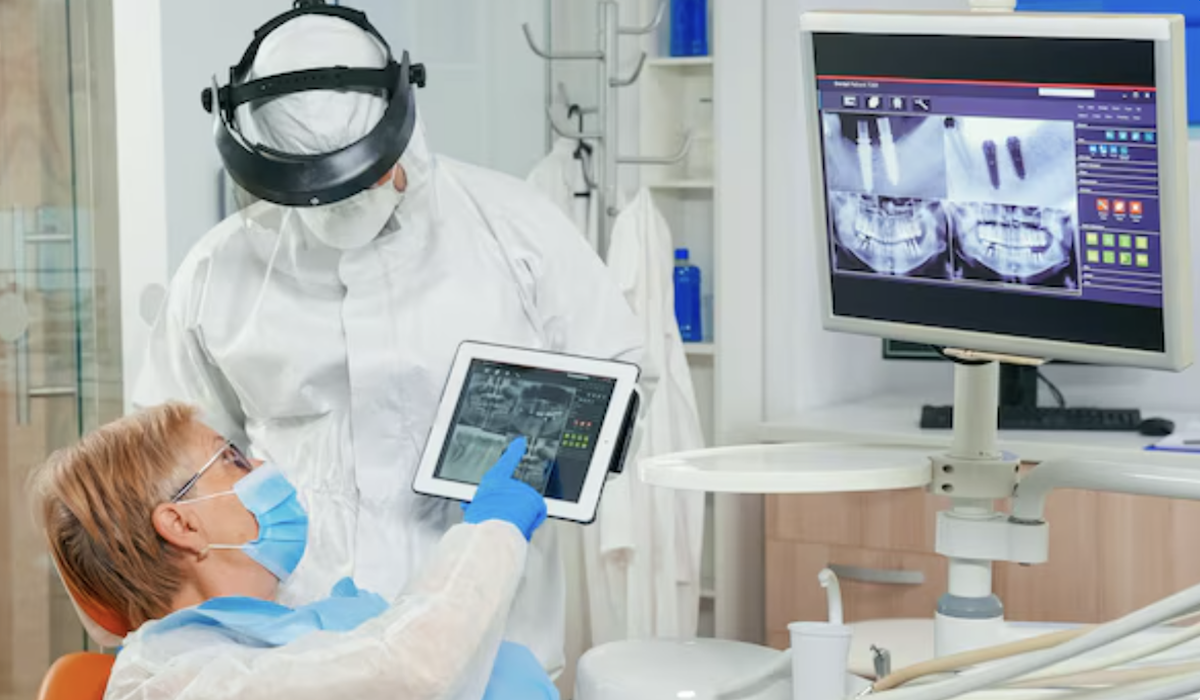
Specialists analyze structure using imaging and digital modeling. Therefore, accurate planning becomes possible immediately. Furthermore, consultation allows open discussion of expectations. Different solutions suit different lifestyles. For example, clear trays support professional environments discreetly. Meanwhile, fixed systems provide precise control when necessary.
Each plan focuses on stability, comfort, and function. As a result, correction improves both efficiency and confidence.
Health Benefits Beyond Visual Improvement
Balanced positioning protects enamel strength effectively. Therefore, long-term oral stability improves significantly. Additionally, joint pressure decreases with proper alignment. Consequently, daily comfort increases during eating and speaking.
Key health benefits include:
- Lower decay risk
- Reduced joint stress
- Improved hygiene efficiency
Therefore, correction supports both wellness and confidence naturally.
How to Know When to Seek Professional Advice
Consultation provides clarity and confidence. Specialists evaluate the current condition and future risk. Therefore, individuals understand available options clearly. Additionally, the discussion covers duration, cost, and expectations.
Important consultation questions include:
- What correction options fit my lifestyle
- How long will improvement require
- What results should I expect
Consequently, knowledge removes uncertainty and builds confidence.
Modern Orthodontic Care Supports Long-Term Wellness
Alignment correction strengthens oral structure and daily comfort. Therefore, individuals experience improved function and confidence. Modern methods provide comfort, efficiency, and reliability. Furthermore, professional planning ensures personalized solutions.
Consequently, removing false beliefs helps individuals act confidently. Correct positioning supports health, comfort, and lasting stability.