

Managing compensation manually drains time and invites costly mistakes. Payroll automation systems change that equation immediately. They streamline calculations, reduce compliance risk, and improve employee satisfaction. As businesses scale, efficient compensation processing becomes essential. Therefore, companies now prioritize intelligent payroll solutions over spreadsheets.
What Are Payroll Automation Systems?
Payroll automation systems use software to manage wage calculations and tax deductions. They also generate payslips and maintain accurate records automatically. Instead of repetitive manual entries, workflows run through predefined rules. Consequently, organizations reduce administrative pressure across departments.
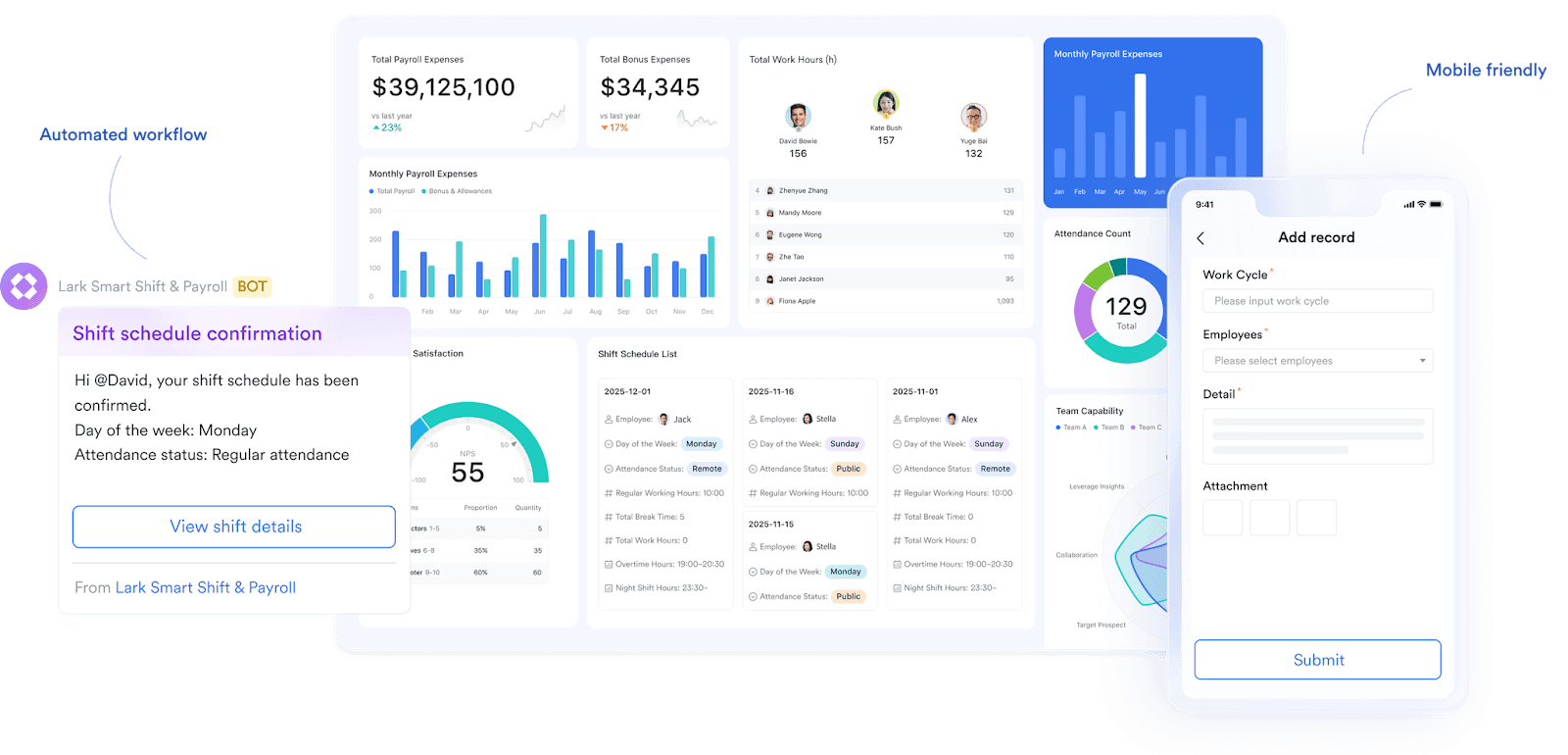
These platforms integrate attendance tracking and benefits management. Moreover, they synchronize with accounting tools for seamless reporting. Because automation minimizes intervention, errors drop significantly. As a result, finance teams focus on strategy rather than correction.
Core Features That Drive Efficiency
Automated salary computation stands at the center of these platforms. The system applies tax rules and deductions instantly. Additionally, it handles overtime, bonuses, and incentives without manual recalculation.
Direct deposit processing improves payment speed. Meanwhile, digital payslips replace paper documentation. This shift reduces operational costs and supports sustainability goals.
Compliance management tools monitor regulatory updates continuously. Therefore, organizations stay aligned with changing labor laws. Audit trails also provide transparent documentation. Consequently, businesses strengthen internal controls and accountability.
Benefits for Growing Organizations
Time savings create immediate operational relief. However, the deeper value lies in accuracy and transparency. Automated checks flag inconsistencies before payroll runs finalize. Thus, disputes decrease, and trust improves.
Scalability becomes effortless when employee numbers expand. Instead of hiring additional clerks, companies upgrade system capacity. Furthermore, cloud based solutions support remote teams efficiently.
Data security also improves with encrypted storage. Because payroll data remains sensitive, protection remains critical. Advanced systems implement multi layer authentication. As a result, breaches become less likely.
Improving Employee Experience
Employees expect timely and accurate payments. Delays or miscalculations damage morale quickly. Automated processing ensures punctual salary transfers. Therefore, staff confidence strengthens consistently.
Self service portals empower workers directly. They access payslips and tax documents anytime. In addition, leave balances update automatically. This transparency reduces HR inquiries dramatically.
Mobile accessibility further enhances engagement. Workers check payment details from anywhere. Consequently, communication gaps narrow across teams.
Integration with Business Ecosystems
Modern payroll automation systems rarely operate alone. Instead, they connect with HR platforms and accounting software. This integration eliminates duplicate data entry. As a result, financial reporting becomes more reliable.
Attendance systems feed real time data into payroll modules. Meanwhile, performance tools track bonuses automatically. Therefore, compensation aligns closely with measurable outcomes.
API connectivity supports customization. Businesses adapt workflows to unique requirements easily. Because flexibility matters, scalable architecture delivers long term value.
Cost Considerations and Return on Investment
Initial implementation requires financial planning. However, long term savings outweigh upfront expenses. Manual errors often lead to penalties and rework. Automation reduces those risks significantly.
Operational efficiency lowers administrative costs steadily. Additionally, digital documentation removes printing expenses. Over time, streamlined processes free resources for growth initiatives.
Return on investment becomes visible within months. Improved compliance alone prevents costly legal complications. Consequently, financial stability strengthens.
Choosing the Right Payroll Automation System
Every organization operates under unique payroll structures. Therefore, decision-makers must carefully evaluate scalability and flexibility. User friendly dashboards simplify adoption across departments.
Data security certifications also deserve attention. Strong encryption standards protect confidential employee information. Moreover, regular updates maintain compliance reliability.
Customer support plays a crucial role. Responsive assistance minimizes downtime during transitions. Thus, implementation proceeds smoothly.
Future Trends in Payroll Automation
Artificial intelligence now enhances payroll analysis. Predictive insights identify anomalies before processing. Consequently, accuracy improves further.
Cloud technology continues to dominate deployment models. Remote accessibility remains essential for hybrid teams. Meanwhile, automation expands into benefits administration.
Blockchain integration may improve transparency in global payments. Although adoption remains gradual, interest grows steadily. Therefore, innovation continues shaping payroll landscapes.
Why Payroll Automation Systems Matter Today
Competitive markets demand operational precision. Manual payroll processes slow organizational momentum. Automation replaces inefficiency with structured workflows.
Moreover, businesses gain actionable insights from payroll analytics. Strategic decisions become data driven and timely. As efficiency increases, leadership focuses on expansion.
Payroll automation systems transform routine tasks into streamlined operations. They enhance compliance, improve accuracy, and elevate employee experience. Ultimately, modern enterprises rely on automation to sustain growth.