
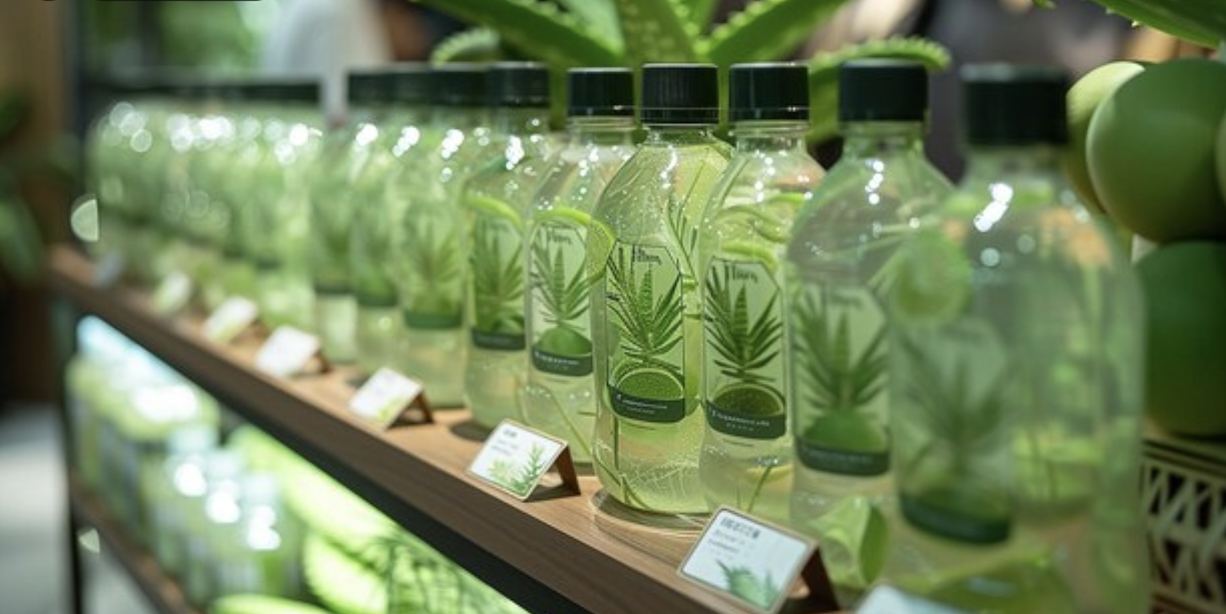
Introduction to Beverage Packaging Evolution
The beverage sector enters a defining phase in 2026. Environmental priorities now shape production strategies worldwide. Moreover, shifting buyer expectations demand responsible solutions. As a result, brands rethink packaging from concept to delivery. Innovation accelerates across materials, systems, and operations. Consequently, sustainability becomes a core business driver. Forward looking companies gain both efficiency and trust. Therefore, strategic adaptation ensures long term relevance.
Lightweight Packaging and Advanced Materials
Material reduction leads current transformation efforts. Manufacturers now design lighter containers without losing strength. For instance, aluminium formats use far less raw input today. Similarly, glass bottles achieve reduced weight with improved durability. These changes lower transport costs significantly. In addition, emissions drop across supply chains.
Meanwhile, alternative materials reshape packaging design. Bio based plastics gain attention for renewable sourcing. Seaweed films offer biodegradable protection layers. Paper based barriers also replace traditional synthetic options. Consequently, dependence on fossil resources declines steadily. Furthermore, safety standards remain uncompromised. These innovations move beyond testing into real markets.
Circular Economy and Closed Loop Systems
Linear production models continue fading rapidly. Instead, circular systems dominate modern packaging strategies. Deposit return schemes expand across major regions. As a result, collection rates improve significantly. High quality materials re enter manufacturing cycles efficiently.
Additionally, closed loop programmes gain strong momentum. Premium brands actively recover used containers. Then, they reprocess materials into new packaging formats. This approach reduces reliance on virgin inputs. Moreover, it strengthens brand credibility among eco aware buyers.
Digital tools further enhance this process. Smart labels enable accurate sorting and tracking. Consequently, recycling becomes more precise and scalable. Refillable containers also return to mainstream use. Both retail and hospitality sectors support this shift actively.
Energy Efficiency in Production Systems
Energy consumption plays a critical role in sustainability goals. Therefore, producers upgrade machinery for better efficiency. Modern filling lines now include heat recovery systems. These systems reuse energy during processing stages. As a result, operational costs decrease notably.
Variable speed drives improve power usage control. Equipment adjusts performance based on real-time demand. Consequently, unnecessary energy waste disappears. Over time, these improvements deliver major savings. High volume operations benefit the most from such upgrades.
Advanced engineering ensures consistent performance. Precision remains essential for quality output. At the same time, energy optimization supports environmental targets. Thus, production efficiency aligns with sustainability objectives.
Water Conservation and Resource Optimization
Water management receives growing global attention. Beverage production traditionally requires large volumes. However, modern facilities drastically reduce usage levels. Improved systems enhance efficiency across processes.
Cleaning technologies now consume less water. Advanced methods maintain strict hygiene standards. Additionally, filtration systems allow repeated reuse. Membrane solutions treat water effectively for multiple cycles. Consequently, waste discharge reduces significantly.
Some plants achieve near zero liquid discharge levels. These facilities recycle almost all used water. Especially in dry regions, this approach proves essential. Therefore, water stewardship becomes a competitive advantage.
Regulatory Influence and Market Pressure
Government policies increasingly shape industry practices. Extended producer responsibility laws expand across markets. These regulations hold companies accountable for packaging waste. As a result, businesses invest in sustainable solutions.
Recycled content requirements also drive infrastructure growth. Producers adapt quickly to meet compliance standards. Meanwhile, retailers prefer environmentally responsible suppliers. Consumer awareness continues rising globally. Therefore, sustainable packaging influences purchasing decisions strongly.
Technology Integration in Packaging Systems
Technology supports every stage of packaging development. Automation improves accuracy and consistency. Smart systems monitor production in real time. Consequently, efficiency increases while errors decrease.
Digital watermarking enhances recycling processes. These invisible markers guide sorting systems effectively. In addition, data tracking improves material flow visibility. This transparency supports better decision making. Over time, operations become more optimized and sustainable.
Business Benefits of Sustainable Packaging
Sustainability now delivers measurable financial value. Reduced material use lowers production costs. Energy efficiency cuts utility expenses significantly. Water conservation also reduces operational spending.
Moreover, circular systems create new revenue streams. Recovered materials gain market value. Strong environmental performance builds customer loyalty. Brands gain preference among conscious buyers. Therefore, sustainability strengthens competitive positioning.
Investors also favor responsible companies. Environmental performance impacts funding decisions. Consequently, businesses adopting green strategies attract more opportunities. Long term growth depends on these practices.
Future Outlook for Beverage Packaging
The industry continues evolving rapidly. Sustainable practices will dominate future developments. Innovation will further improve material performance. Additionally, recycling systems will become more efficient.
Collaboration across supply chains remains essential. Producers, suppliers, and regulators must align goals. Together, they can build scalable solutions. As a result, the environmental impact will decrease further.
Companies embracing change will lead the market. Those delaying adaptation risk losing relevance. Therefore, proactive investment becomes critical. Sustainability now defines success in this sector.
Conclusion: A New Standard for Industry Growth
Beverage packaging enters a transformative era in 2026. Sustainability no longer acts as a secondary concern. Instead, it shapes every operational decision. From materials to production, change drives progress.
Efficient systems, innovative materials, and circular models lead the shift. These elements create both environmental and financial value. Consequently, businesses achieve balanced growth. The future belongs to those who act decisively today.