A Thoughtful Response to Fast Paced Travel
In a world driven by speed and constant connectivity, travel has increasingly become rushed and superficial. Destinations are often treated as tasks to complete rather than places to understand. The philosophy of slow travel offers a meaningful alternative by shifting attention from speed to presence. When combined with mindful movement by water, this philosophy encourages a deeper connection with nature, culture, and personal awareness.
We approach slow travel as a conscious decision to experience places fully rather than consume them quickly. Water-based journeys naturally support this approach by introducing rhythms that cannot be hurried. Rivers, seas, and canals encourage patience and adaptability, inviting travelers to align with natural movement instead of resisting it.
Slow Travel as a Mindset Rather Than a Method
Slow travel is less about the mode of transport and more about intention. It prioritizes staying longer in fewer places, engaging with local environments, and allowing experiences to unfold naturally. This mindset values understanding over accumulation and immersion over efficiency.
By adopting this approach, we become observers rather than spectators. We notice how daily life functions, how landscapes influence culture, and how time shapes relationships. Slow travel transforms the journey into an ongoing process of learning and awareness.
The Role of Water in Encouraging Mindful Movement
Water has a unique capacity to slow human behavior. Its movement is steady yet unpredictable, requiring attention and responsiveness. Traveling by water demands respect for natural forces such as tides, currents, and weather patterns, reinforcing mindfulness through necessity.
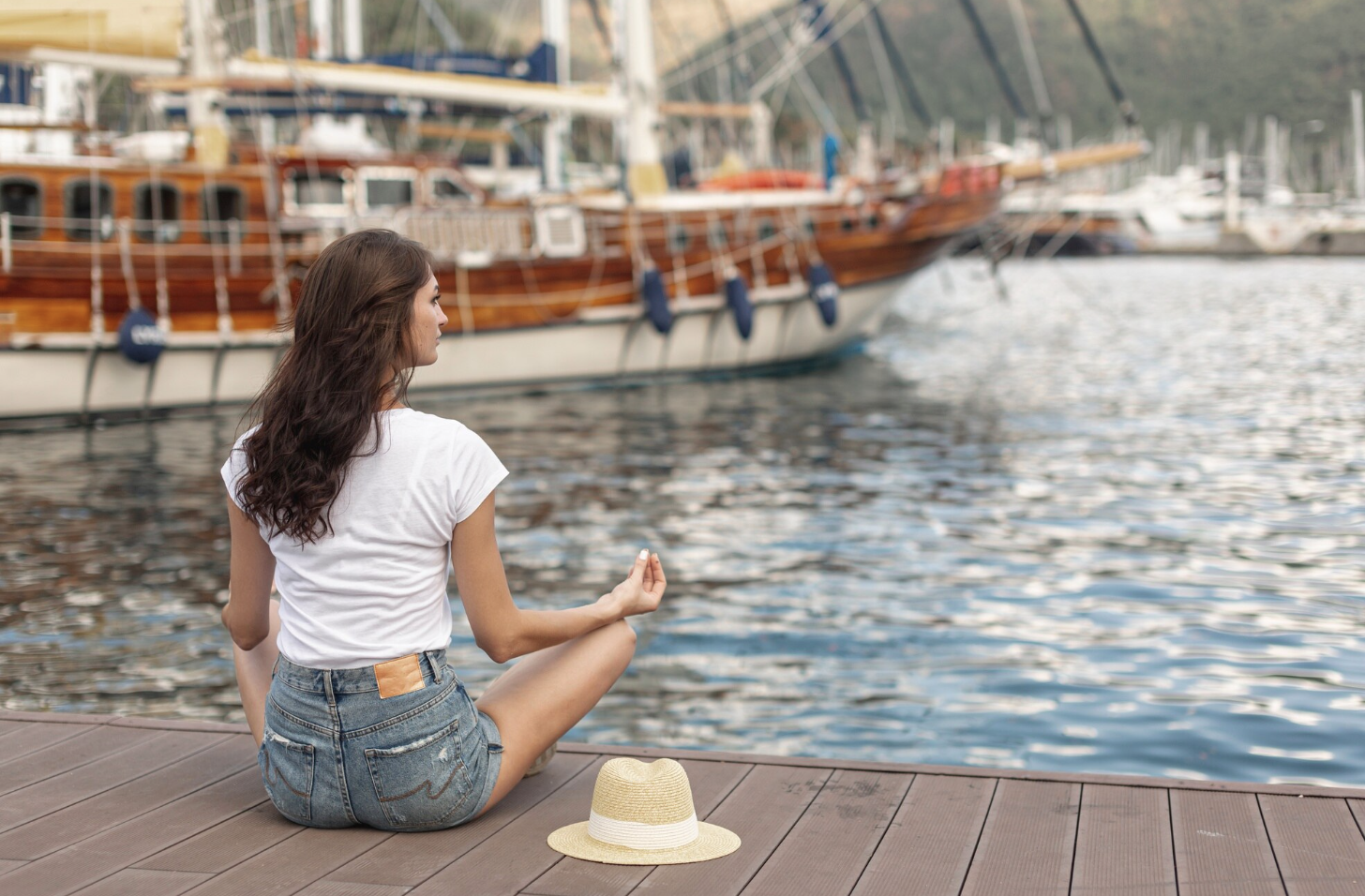
Mindful movement by water creates a sensory rich environment. The sound of flowing water, the reflection of light, and the gentle motion of travel reduce mental clutter. These elements naturally guide attention toward the present moment without conscious effort.
Emotional Clarity Through Water Based Journeys
Slow travel by water offers emotional benefits that are often absent in fast paced tourism. Without constant transitions and rigid schedules, travelers experience a sense of ease and continuity. This environment allows the mind to relax and emotions to stabilize.
Water settings promote calm and reflection. Many travelers find that extended time near or on water improves focus, reduces stress, and encourages introspection. The journey becomes restorative rather than exhausting.
Cultural Understanding Along Water Routes
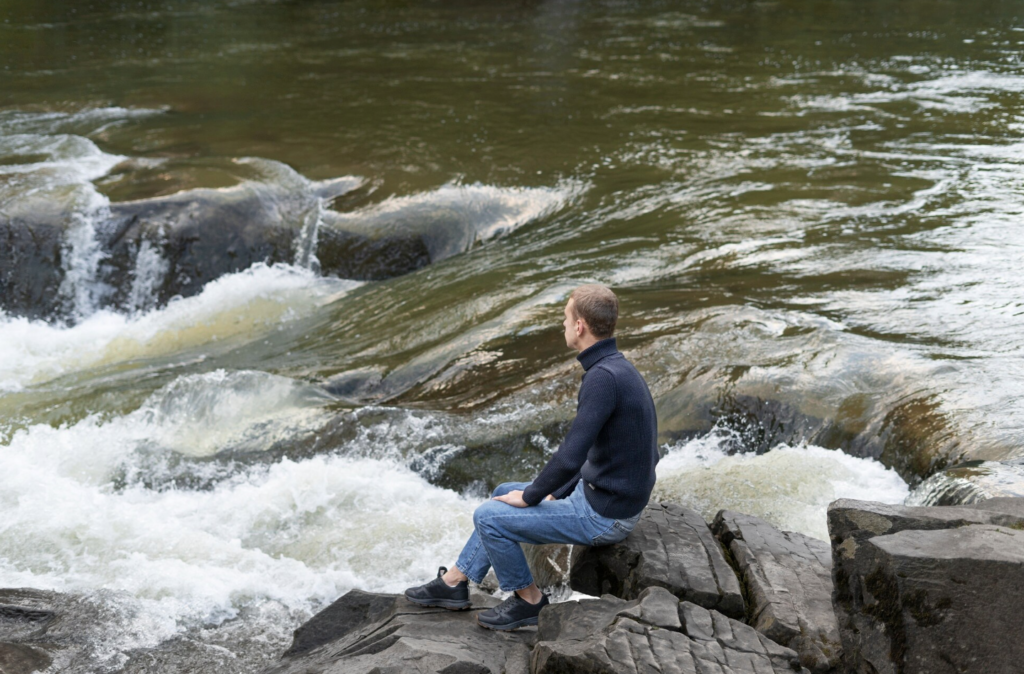
Waterways have shaped human history for centuries. Communities that develop along rivers and coastlines form cultures deeply influenced by their environment. Slow travel allows us to witness these relationships firsthand.
We encounter traditions rooted in fishing, trade, and seasonal cycles. Architecture, cuisine, and social practices reflect adaptation to water based living. These insights emerge gradually through time and respectful presence, not brief visits.
Environmental Awareness and Responsible Travel Choices
Slow travel naturally aligns with environmental responsibility. Fewer transitions reduce emissions, and water-based movement often requires less infrastructure than mass tourism. This approach minimizes disruption to ecosystems and supports sustainable travel practices.
Mindful movement by water increases environmental awareness. Travelers become more conscious of natural systems and their impact within them. This awareness encourages respectful behavior and long term stewardship rather than short term consumption.
Forms of Mindful Travel by Water
River Travel Experiences
Rivers provide a continuous flow through varied landscapes and communities. As changes occur gradually, travelers develop a deeper appreciation for environmental and cultural transitions. River journeys support patience and reflection.
Coastal Exploration
Moving along coastlines reveals the close relationship between land and sea. Coastal slow travel highlights maritime traditions and the influence of ocean conditions on daily life. The pace remains steady, allowing for thoughtful engagement.
Canals and Inland Waterways
Canals offer insight into how human design works alongside natural systems. Traveling these routes provides access to historic towns and rural environments often overlooked by mainstream tourism.
Human-Powered Water Movement
Kayaking, rowing, and canoeing deepen mindfulness by linking physical effort with awareness. These activities require balance, focus, and responsiveness, strengthening the connection between traveler and environment.
The Importance of Rest and Stillness
Slow travel by water emphasizes the value of stillness. Moments of anchoring, drifting, or resting along the shore are essential components of the journey. These pauses allow experiences to settle and meaning to surface.
Stillness encourages reflection and emotional processing. It reminds us that meaningful travel is defined by attention rather than constant motion.
Redefining Purpose in Travel
Fast tourism often mirrors productivity culture, where success is measured by efficiency. Slow travel challenges this perspective by redefining purpose as understanding and connection.
Mindful movement by water fosters openness. Without rigid goals, travelers remain receptive to unexpected encounters and insights. Purpose develops organically through presence rather than planning.
Preparing for a Water Centered Slow Journey
Preparation for slow travel focuses primarily on mindset. Flexibility, curiosity, and respect form the foundation. Travelers release strict schedules and accept uncertainty as part of the experience.
Choosing locally owned accommodations, learning cultural norms, and minimizing environmental impact support a respectful journey. Preparation becomes an extension of intention rather than control.
Mutual Benefits for Travelers and Destinations
Slow travel benefits both visitors and host communities. Longer stays support local economies and encourage genuine interaction. Reduced tourist pressure helps preserve cultural integrity and environmental balance.
Mindful movement by water promotes reciprocity. Travelers engage thoughtfully, creating relationships based on respect rather than extraction.
The Lasting Value of Slow Travel by Water
Choosing slow travel and mindful movement by water represents a commitment to depth, balance, and awareness. This philosophy allows journeys to unfold naturally, shaped by observation rather than urgency.
Slow travel by water enriches exploration and reshapes how we move through the world. It transforms travel into a practice of attentiveness, respect, and intentional living.