
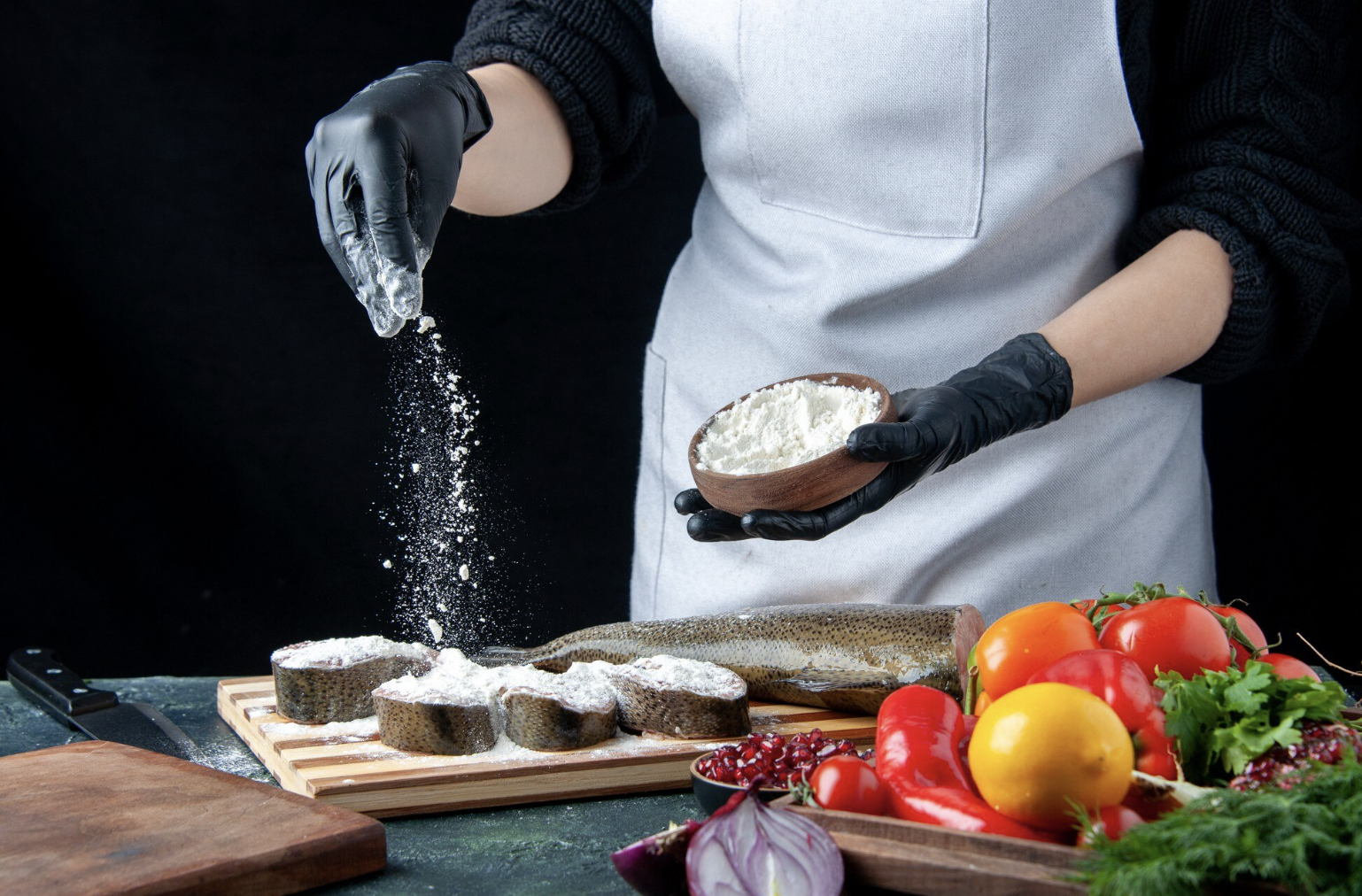
In recent years, a once controversial ingredient has quietly made its way back into kitchens around the world. Monosodium glutamate, more commonly known as MSG, has experienced a surprising revival among chefs, food enthusiasts, and home cooks. Once shrouded in suspicion and misconceptions, MSG is now gaining recognition for its culinary benefits and safety. This article explores the fascinating history of MSG, the myths surrounding it, and why it’s once again becoming a popular addition to everyday cooking.
What Exactly Is MSG and Why Is It Relevant Now?
MSG is a flavor enhancer that amplifies the savory, umami taste in dishes. It’s a simple compound made from sodium and glutamic acid, an amino acid naturally found in many foods like tomatoes, aged cheeses, and mushrooms. When added to food, MSG intensifies the natural flavors, making dishes more satisfying and balanced. Despite its simple composition, MSG’s ability to elevate taste has made it a staple in many culinary traditions worldwide.
Today, many chefs and food lovers see MSG as a valuable tool for creating rich, flavorful meals without relying heavily on salt. Its resurgence is largely driven by a desire for healthier, flavor packed food options that don’t compromise on taste. As more people understand its safety and benefits, MSG is becoming a go to ingredient for enhancing home cooked and professional dishes alike.
The Origins of MSG and Its Early Culinary Uses
The story of MSG begins over a century ago in Japan. A researcher discovered that certain foods possessed a distinctive savory flavor, which he traced back to naturally occurring glutamate. Recognizing its potential, he developed monosodium glutamate as a seasoning to enhance flavor. The discovery quickly spread across Asia and beyond, transforming how cooks approached seasoning.
Initially, MSG was used primarily in Asian cuisines to deepen the flavor of broths, soups, and stir fries. Its ability to bring out the umami taste made it a favorite among chefs seeking to create more complex and satisfying dishes. Over time, it also found its way into processed foods, snacks, and fast foods, further cementing its role in modern eating habits.
How Historical Fears Shaped MSG’s Reputation
Throughout the late 20th century, MSG became a lightning rod for health concerns. Reports circulated that consuming MSG could cause headaches, numbness, or other adverse reactions, leading to widespread fear. These claims, often anecdotal and lacking scientific backing, contributed to a negative perception of MSG in Western countries.
Many restaurants and food manufacturers responded by removing MSG from their recipes or prominently labeling foods as “No MSG.” This shift often resulted in dishes that lacked the same depth of flavor, leading to a compromise in culinary quality. Over time, the public came to associate MSG with health risks, overshadowing its actual properties.
However, scientific research has consistently shown that MSG is safe for most people when consumed in moderation. Multiple health organizations, including the Food and Drug Administration (FDA) and the World Health Organization (WHO), affirm that MSG is generally recognized as safe. The misconceptions surrounding MSG are rooted in outdated science and misinformation.
The Culinary Renaissance: Why Chefs Are Bringing MSG Back
Today, many chefs and home cooks are rediscovering the advantages of using MSG. Its ability to enhance savory flavors allows for a reduction in salt without sacrificing taste, making it a valuable asset for those watching their sodium intake. Unlike salt, which can sometimes dominate a dish, MSG subtly deepens the natural flavors, creating a more harmonious profile.
The growing interest in global cuisines, particularly Asian and fusion dishes, has also contributed to MSG’s revival. Many recipes from China, Japan, Korea, and Southeast Asia rely heavily on umami rich ingredients like MSG to achieve authentic flavors. As food enthusiasts explore these culinary traditions, they find MSG to be an indispensable ingredient.
Additionally, the health benefits of MSG are now better understood. Research demonstrates that MSG contains less sodium than table salt, making it a smarter choice for heart health. Its ability to boost flavor without excessive salt helps cooks prepare healthier meals that still satisfy the palate.
Boost Your Meals: Simple Ways to Incorporate MSG into Everyday Cooking
In the kitchen, MSG is incredibly versatile. It can be added to a variety of dishes, including broths, stews, marinades, and stir fries. A small pinch can significantly deepen the taste, making ingredients taste more vibrant. It’s especially useful in vegetarian and vegan dishes, where umami rich ingredients can sometimes be limited.
Using MSG allows cooks to reduce overall salt content while maintaining a satisfying flavor profile. This is particularly helpful for people managing hypertension or other health conditions that require sodium restriction. By adding a little MSG, you can make your dishes more flavorful and health conscious simultaneously.
For home cooks, incorporating MSG can be straightforward. It dissolves easily into liquids, blends seamlessly into sauces, and enhances flavor without overpowering. Its ability to bring out the best in ingredients makes it a practical addition for everyday meals.
The Evolving Landscape of Umami Driven Cooking
As culinary creativity continues to evolve, so does the acceptance of ingredients like MSG. Chefs are increasingly embracing its ability to create complex, multi layered flavors that elevate even simple dishes. Moreover, ongoing research reaffirms its safety, dispelling lingering fears and misconceptions.
The trend toward healthier eating also favors MSG’s use. Its capacity to reduce sodium while maintaining flavor aligns with the global push for nutritious, low sodium diets. Additionally, its role in global cuisine promotes cultural appreciation and culinary diversity.
In conclusion, the comeback of MSG signifies a broader shift toward understanding and respecting the science of flavor. It reminds us that sometimes, traditional ingredients hold the key to modern culinary excellence. Whether you’re a seasoned chef or a curious home cook, incorporating MSG into your cooking can unlock new dimensions of taste, making every meal more satisfying and wholesome.
By embracing its true nature, we move beyond outdated myths and rediscover the power of good flavor. MSG is not just an additive; it’s a tool that helps create memorable, delicious dishes that celebrate the art of cooking.