
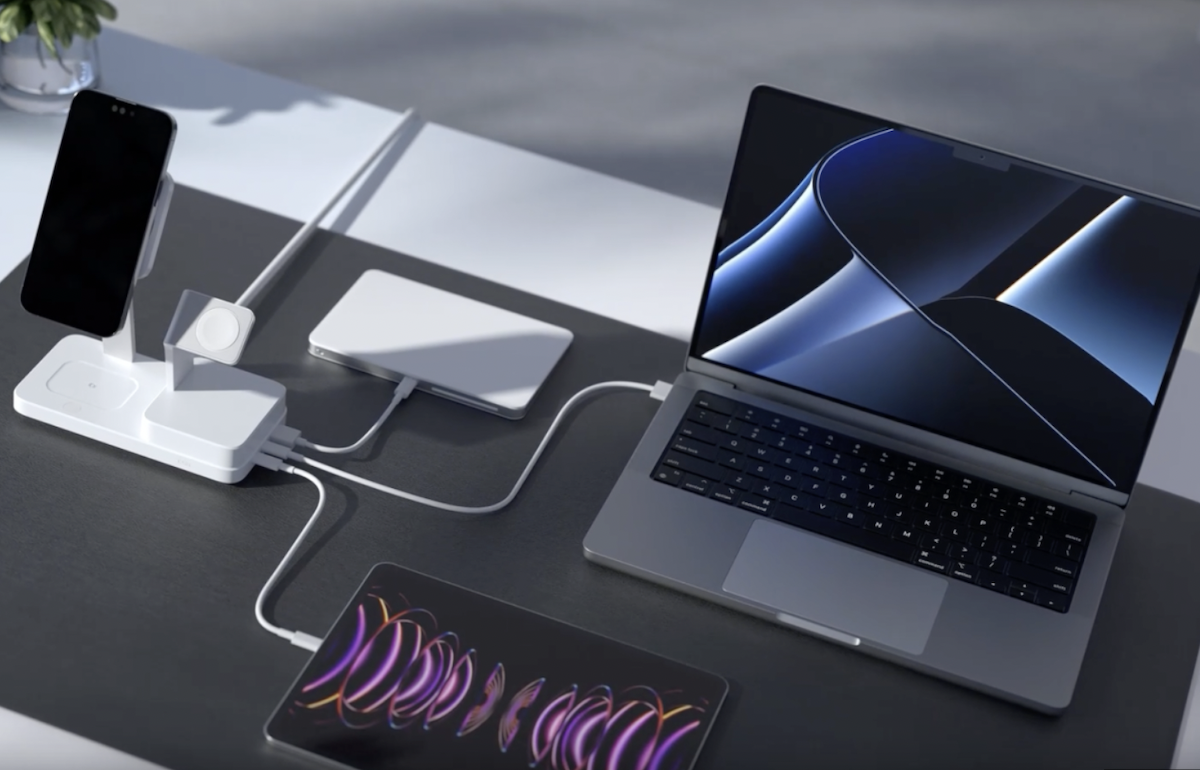
As we move further into a wireless era, the way we deliver power to our devices is transforming. Gone are the days of juggling cords and adapters-technology is now pushing toward seamless, cable-free charging solutions that promise to redefine how we interact with electronics.
A Cordless Revolution
Wireless charging marks a significant shift in consumer electronics. With a simple placement on a charging pad, devices can be powered without the clutter and tangles of cords. This approach not only streamlines our living and workspaces but also enhances the user experience, making battery maintenance effortless.
At the heart of this movement is inductive charging, a method that uses electromagnetic fields to transfer energy between objects. From smartphones and smartwatches to tablets and headphones, wireless charging is quickly becoming a universal feature across devices.
Convenience at Its Core
The biggest advantage of wireless charging is convenience. Users can power multiple devices simultaneously without having to plug each in separately. This reduces wear on ports and cables while prolonging the life of both the device and its accessories.
Public spaces are also embracing this technology. Cafes, airports, and hotels now feature wireless charging stations, allowing people to recharge on the go—whether enjoying a coffee or waiting for a flight.
Innovative Solutions Driving Adoption
Wireless charging innovation continues to accelerate. Modern chargers are designed not only for functionality but also to complement personal style and home décor. Faster charging times are improving, narrowing the gap with traditional wired solutions.
Standardization efforts are also underway to ensure cross-device compatibility, helping build consumer trust and creating an ecosystem where wireless charging can truly become the norm.
Environmental Implications
Wireless charging has the potential to reduce electronic waste by cutting down on the number of cables and chargers produced. A single durable charger could serve multiple devices, minimizing obsolete accessories.
However, wireless charging currently consumes more energy than wired methods, highlighting the need for ongoing efficiency improvements. As the technology matures, reducing its environmental footprint will be key.
Embracing the Wireless Future
Transitioning to wireless charging comes with challenges, including shifts in consumer behavior and continued technological advancement. Yet the benefits-convenience, aesthetics, and potential environmental gains-make it an attractive evolution.
The future of charging is cordless, offering freedom from plugs and cables. With innovation accelerating, wireless power delivery is becoming more efficient, stylish, and ubiquitous. It’s not just a trend—it’s a glimpse into a world where technology works seamlessly around us, making our lives simpler and more connected.