
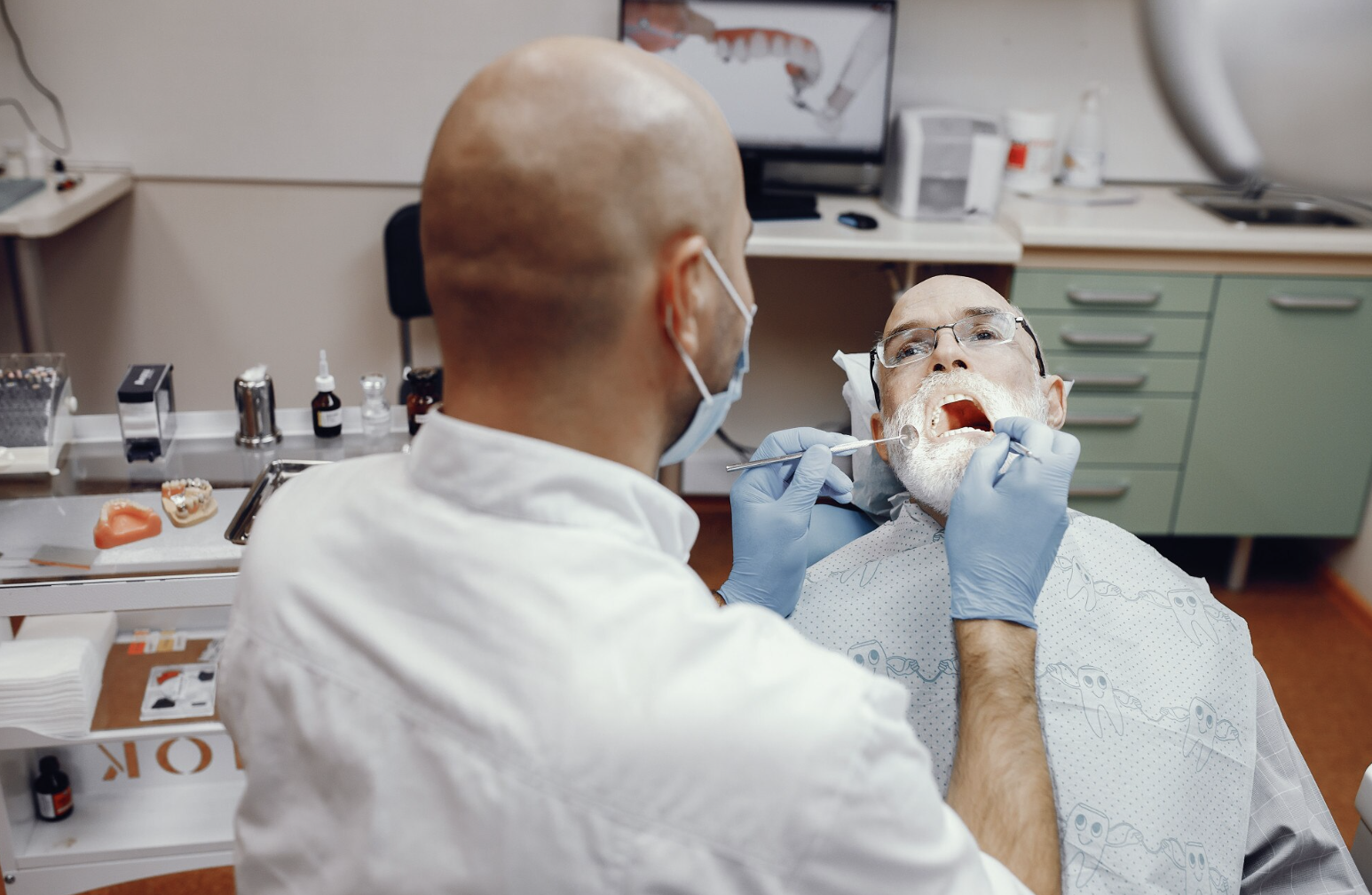
Introduction to Implant Success and Risks
Dental implants are a trusted option for replacing lost teeth. Modern techniques have made these procedures highly successful, but issues can still occur in certain situations. Being aware of the main risk factors helps support better long term results. Patients who are well informed are also more likely to spot early warning signs and take action quickly.
1. Poor Oral Care and Gum Infections
Neglected oral hygiene often leads to serious issues. Bacteria collect around the implant area quickly. As a result, inflammation begins in the surrounding tissues. This condition can progress into peri implantitis over time.
Initially, symptoms remain mild or unnoticed. However, bleeding and swelling may appear later. Consequently, untreated infection damages the supporting bone gradually. Regular cleaning routines reduce these risks significantly.
2. Inadequate Bone Support
Strong bone structure ensures proper implant stability. Without enough density, integration becomes difficult. Therefore, weak bone increases the chances of early failure.
Bone loss commonly follows missing teeth over time. In such cases, additional procedures may become necessary. Although grafting helps, it extends treatment duration. Careful planning ensures better structural support before placement.
3. Smoking and Daily Habits
Smoking negatively impacts healing after surgery. It reduces blood flow to oral tissues. Consequently, recovery slows and infection risk rises.
Additionally, alcohol misuse weakens the immune response. Poor sleep and stress further delay healing. Therefore, lifestyle adjustments improve recovery outcomes. Dentists often recommend quitting smoking before treatment begins.
4. Teeth Grinding and Pressure Issues
Bruxism creates excessive force on implants. This pressure can damage the surrounding bone. Over time, it may loosen the structure.
Night guards help reduce grinding effects. Furthermore, proper bite alignment prevents overload. Managing these habits protects both natural teeth and implants effectively.
5. Health Conditions and Medications
Certain medical conditions interfere with healing. Diabetes, osteoporosis, and autoimmune disorders increase risks. Therefore, stable health improves treatment success.
Some medications also affect bone healing. For example, long term steroids slow recovery. Thus, sharing full medical history remains essential. Coordinated care ensures safer outcomes.
6. Surgical Errors and Planning Gaps
Precision plays a critical role during placement. Incorrect positioning leads to complications. For instance, nerve damage or sinus issues may occur.
Although digital tools improve accuracy, experience still matters. Skilled professionals plan procedures carefully. As a result, proper execution reduces avoidable risks significantly.
7. Mechanical Failures and Component Problems
Implants consist of multiple connected parts. Even when integration succeeds, mechanical issues may arise. Loose screws or cracked crowns affect performance.
Improper bite alignment increases pressure on components. Therefore, regular adjustments help maintain balance. Routine checkups detect minor faults early. Timely fixes prevent larger failures later.
8. Material Sensitivity and Rare Reactions
Most implants use biocompatible materials like titanium. However, rare sensitivities may occur. In such cases, discomfort or inflammation persists.
Alternative materials like zirconia offer solutions. Patients with metal allergies should discuss options beforehand. Early detection ensures quick management of unusual reactions.
Importance of Early Detection and Monitoring
Many complications begin with subtle signs. Mild discomfort or bleeding often goes unnoticed. However, early diagnosis prevents serious damage.
Regular dental visits support long term success. Continuous monitoring detects hidden changes quickly. Therefore, consistent follow up care remains essential.
Conclusion: Achieving Long Term Implant Success
Implant success depends on multiple factors working together. Proper hygiene, strong bones, and healthy habits play key roles. Additionally, expert planning ensures accurate placement.
Although risks exist, prevention remains achievable. With careful attention and regular care, implants function effectively for years.