
Modern routines often feel repetitive. Screens glow late into the night. Notifications never pause. In this cycle, many people forget how powerful a simple change of scenery can be. That is where the idea of how travel improves mental health becomes more than a phrase. It becomes a lived experience.
Breaking Routine, Resetting the Mind
Daily structure brings stability, yet constant repetition can quietly drain emotional energy. A new destination interrupts autopilot mode. Fresh streets, different sounds, and unfamiliar flavors stimulate curiosity. This shift encourages the brain to form new connections.
When routine loosens its grip, perspective expands. Problems that once felt overwhelming begin to shrink. Distance creates clarity. Stepping away from pressure allows reflection without distraction.
Nature as a Natural Healer
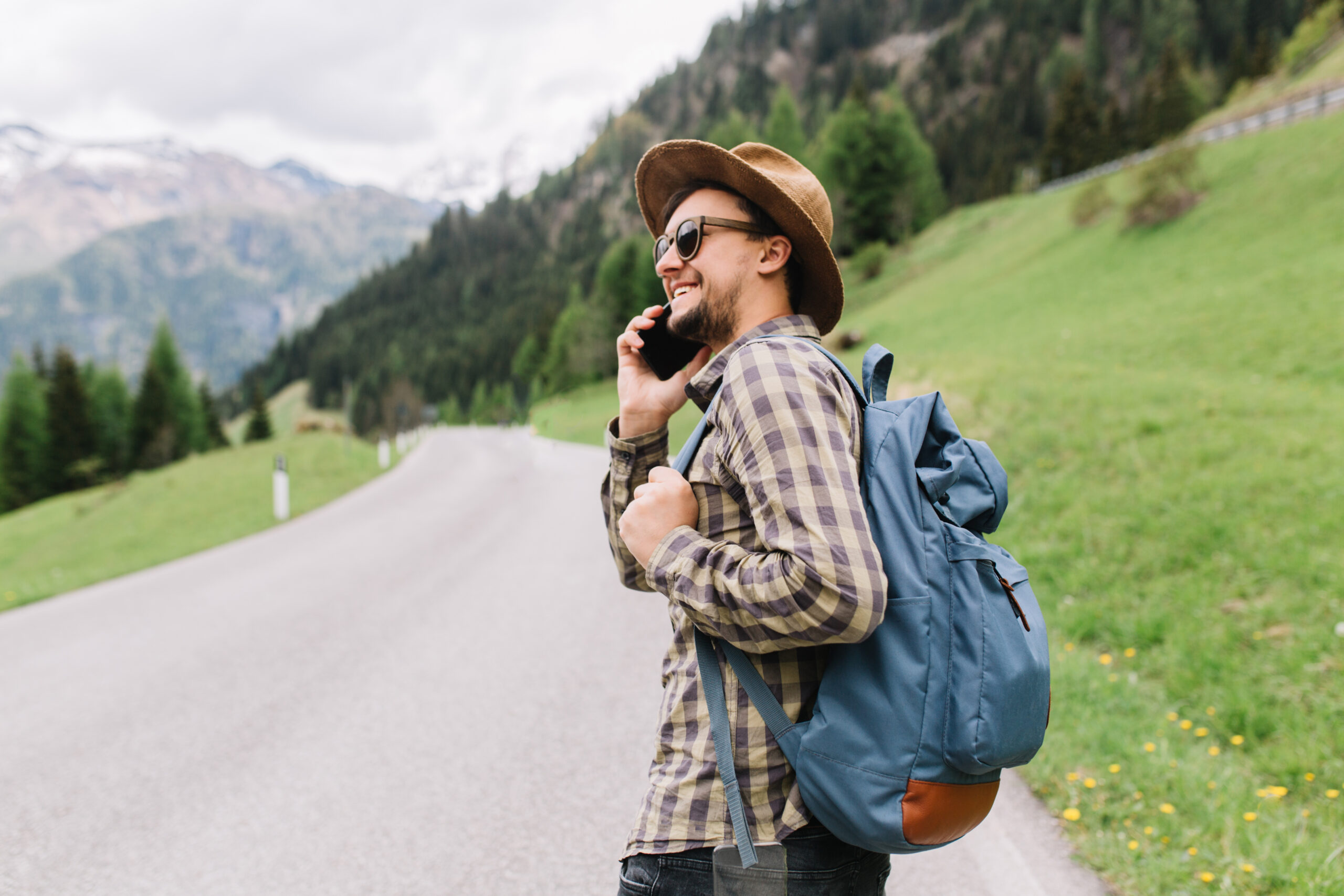
Mountains, oceans, forests, and open skies offer more than beautiful views. Natural settings reduce tension and calm racing thoughts. Time outdoors supports deeper breathing and steadier focus.
A walk along a shoreline or through a quiet trail lowers stress levels. Gentle movement combined with scenery strengthens emotional balance. Many people report improved sleep after spending time in green spaces.
Social Connection and Belonging
Exploration often brings meaningful interaction. Conversations with locals or fellow explorers introduce new stories and viewpoints. Even brief exchanges can spark a sense of connection.
Shared meals, guided tours, or cultural events create moments of belonging. Human contact supports emotional resilience. Feeling understood in a new place builds confidence and empathy.
Confidence Through Challenge
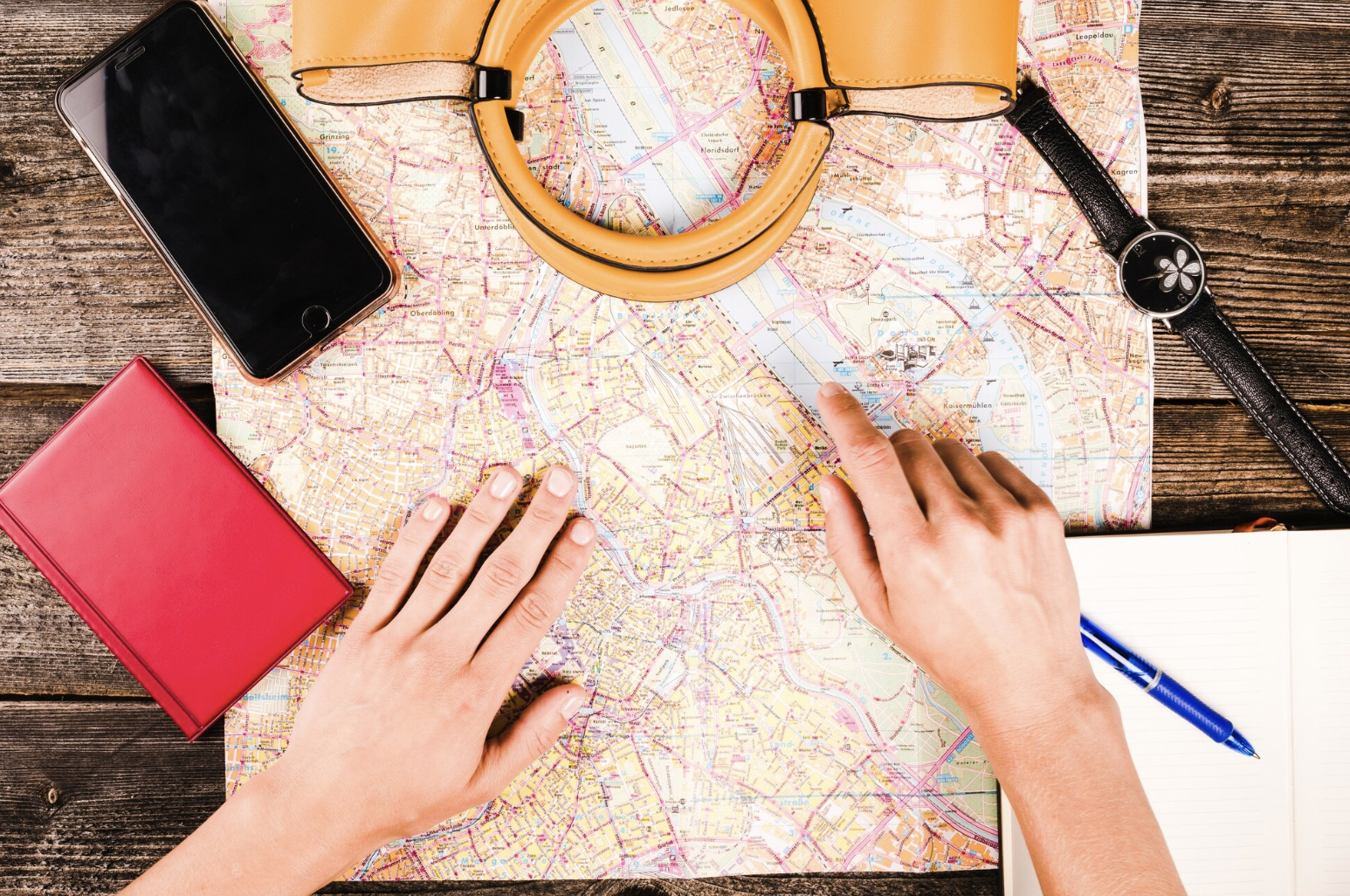
Navigating an unfamiliar city requires problem solving. Reading maps, trying new foods, or communicating across language barriers pushes comfort zones. Each small success reinforces self belief.
Overcoming uncertainty strengthens inner stability. The ability to adapt grows with every new situation. This confidence often carries into work, relationships, and personal goals.
Creativity and Fresh Inspiration
A different environment stimulates imagination. Architecture, art, music, and local customs ignite ideas. Creative thinking thrives when the mind encounters variety.
Writers, designers, and entrepreneurs frequently describe breakthroughs after a journey. Even short trips can spark innovation. Exposure to diverse lifestyles expands mental flexibility.
Emotional Renewal
Distance from daily responsibilities offers space for reflection. Journaling beside a river or watching sunrise over a skyline encourages mindfulness. These quiet moments support emotional release.
Joy also increases during exploration. Anticipation before departure and memories afterward extend positive feelings. Looking back at photographs can lift mood long after returning home.
How Travel Improves Mental Health Over Time
The benefits do not disappear once the suitcase is unpacked. Lessons learned on the road continue shaping the mindset. Openness to difference becomes part of identity. Patience deepens. Gratitude grows.
Understanding how travel improves mental health helps people prioritize experiences over possessions. Investing in meaningful journeys can strengthen overall well being.
Practical Ways to Begin
A long international flight is not required. Nearby towns, countryside retreats, or cultural festivals provide similar advantages. The key is intentional departure from routine.
Plan thoughtfully but allow room for spontaneity. Balance activity with rest. Engage with surroundings instead of observing from a distance.