The Hidden Value of Preventive Mouth Examinations
Most people brush and floss daily. However, home care alone cannot detect hidden issues. Professional oral evaluations uncover problems before pain appears. Consequently, early discovery prevents complex treatment later.
Many individuals wait until discomfort starts. Unfortunately, delay often leads to infection, damaged enamel, or tooth loss. Meanwhile, a short visit can reveal tiny warning signs.
Routine assessments protect more than appearance. They also support overall physical wellness. Therefore, scheduling these appointments regularly keeps future complications away.
Simple tools help specialists observe areas you cannot see. As a result, early findings guide quick and affordable solutions.
Consistent attention builds confidence and peace of mind. Additionally, it creates healthy habits within families.
What Happens During a Preventive Mouth Assessment
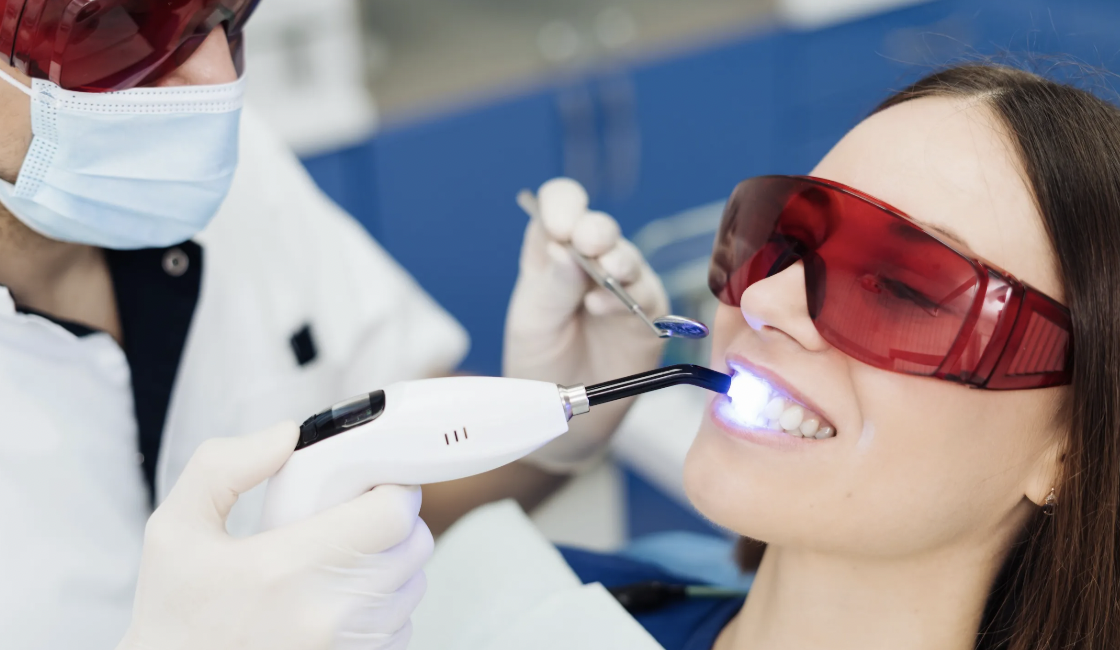
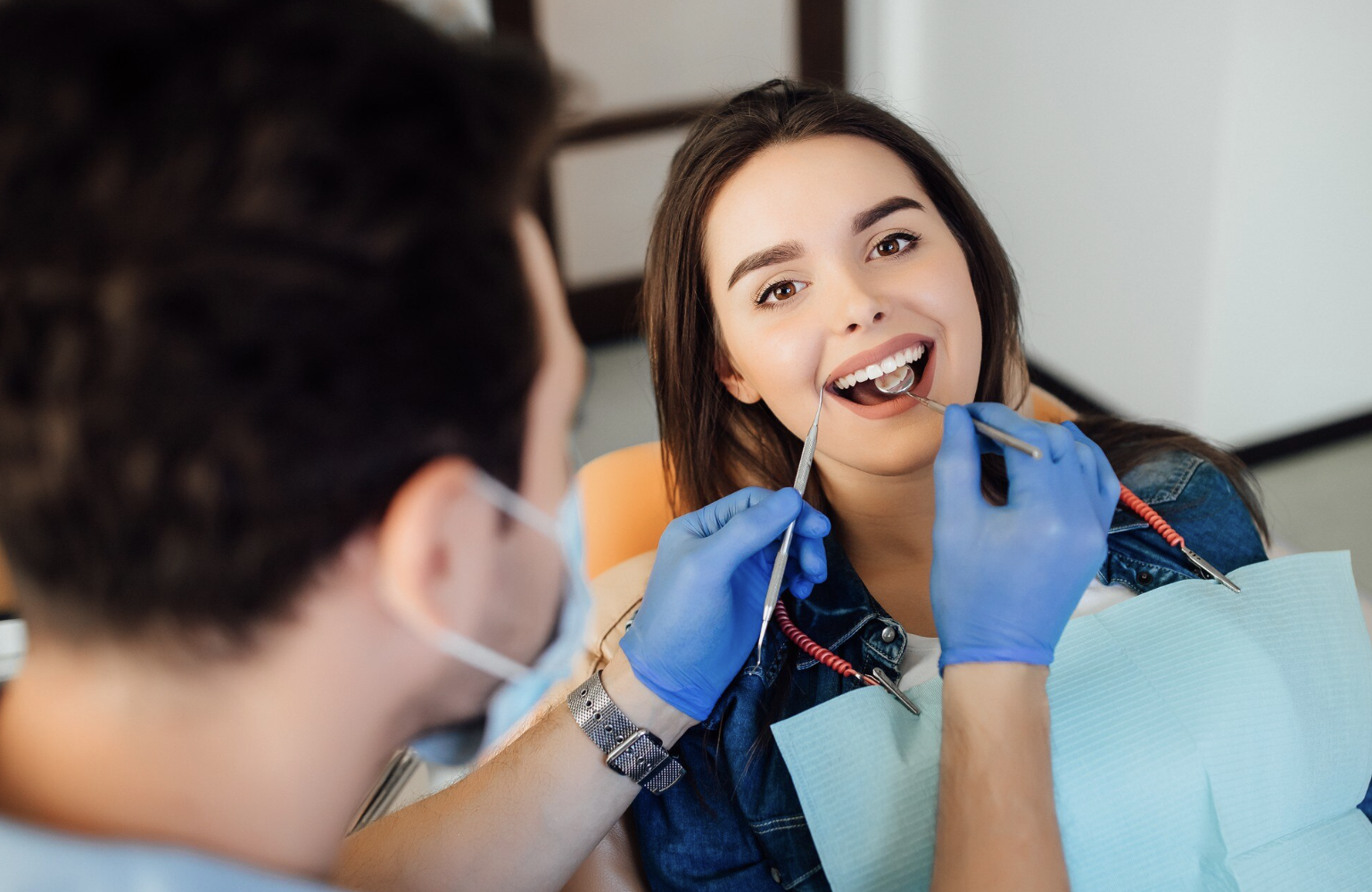
A preventive appointment remains simple and comfortable. First, you sit in a treatment chair. Then, a trained professional evaluates every visible surface carefully.
Typically, the visit includes three essential steps.
- Review of personal health background and daily habits
- Visual inspection of enamel, gums, tongue, and cheeks
- Imaging scans when deeper views become necessary
These steps reveal hidden decay, weak restorations, or tissue changes. Moreover, imaging often identifies problems beneath surfaces.
During the session, hardened plaque removal may occur. Consequently, gum tissue receives a healthier environment.
Afterward, the professional explains findings clearly. Furthermore, helpful suggestions improve daily hygiene routines.
This straightforward process usually finishes quickly. Therefore, patients return to normal activities without delay.
Why Early Detection Supports Total Body Wellness
The mouth reflects many internal conditions. Therefore, careful observation provides valuable health clues.
For example, gum inflammation sometimes connects with cardiovascular conditions. Similarly, blood sugar imbalance can affect tissue health.
Meanwhile, persistent sores may signal a dangerous disease. Consequently, immediate evaluation protects long term wellbeing.
Dry mouth often results from medication effects. Additionally, immune changes may cause unusual symptoms.
Frequent monitoring helps professionals notice subtle differences. A small gum spot becomes visible early. Likewise, a fractured filling appears before severe damage occurs.
Prompt care reduces recovery time. Furthermore, individuals avoid missed workdays and unnecessary stress.
Preventive observation strengthens overall wellness management. Therefore, steady appointments remain an essential habit.
Recommended Visit Frequency for Families
Most individuals benefit from professional evaluation twice yearly. However, some people require closer observation.
Several factors influence personal scheduling.
Children consuming frequent snacks face a higher cavity risk. Therefore, additional monitoring helps protect developing teeth.
Teenagers wearing orthodontic devices also need careful supervision. Appliances create hiding places for plaque buildup.
Adults who smoke experience increased gum irritation. Consequently, regular monitoring becomes essential.
Pregnancy often triggers temporary tissue sensitivity. Additionally, hormonal changes influence oral conditions.
Older adults frequently take multiple medications. As a result, dryness or irritation may appear quickly.
Healthcare organizations suggest tailoring visit frequency to individual risk. Therefore, personalized schedules ensure proper protection.
Routine Care Versus Emergency Treatment Costs
Financial concerns often discourage preventive visits. However, postponing care frequently increases expenses dramatically.
Small issues grow quietly over time. Eventually, severe damage demands complex procedures.
Consider this comparison:
| Care Type | Typical Timing | Cost Level | Purpose |
|---|---|---|---|
| Preventive evaluation | Twice yearly | Low or insured | Examination, plaque removal, early detection |
| Minor restoration | Early decay stage | Moderate | Repairs limited damage |
| Root repair procedure | Advanced infection | High | Preserves severely damaged tooth |
| Extraction and replacement | Severe loss | Very high | Surgical removal plus artificial replacement |
Clearly, early attention costs far less. Moreover, it avoids sudden pain and emotional stress.
Preventive care, therefore, protects both health and finances.
Advantages for Every Age Group
Every life stage presents unique challenges. Nevertheless, preventive observation benefits everyone.
Young children learn that professional visits feel safe. Meanwhile, specialists monitor growth and eruption patterns.
Parents also receive guidance about brushing techniques. Consequently, youngsters build strong habits early.
Working adults often face stress and grinding. Therefore, examinations detect wear patterns or gum problems quickly.
Athletes may experience accidental injuries. Regular evaluation helps identify cracks or fractures early.
Older individuals frequently wear dentures or partial appliances. Additionally, medication effects require close monitoring.
Consistent attention helps maintain comfort during eating and speaking. As a result, the overall quality of life improves.
When families attend together, healthy behavior becomes normal. Children observe responsible choices and follow similar habits later.
Simple Ways to Schedule Visits in Busy Lives
Modern schedules often feel overwhelming. However, protecting oral wellness requires minimal effort.
Start by reserving the next appointment before leaving the clinic. Consequently, planning becomes effortless.
Choose specific months annually for family members. For instance, January and July work well.
Digital reminders also help maintain consistency. Meanwhile, calendar alerts prevent forgotten commitments.
Some individuals fear treatment chairs. Fortunately, many clinics offer gentle approaches.
Communicate concerns openly when scheduling. As a result, professionals can provide shorter sessions and frequent breaks.
These small adjustments make visits easier and more comfortable.
Warning Signs That Require Immediate Attention
While regular preventive visits are common, some symptoms require immediate attention.
Seek professional help immediately if you notice:
- Persistent gum bleeding during brushing
- Loose permanent teeth
- Ongoing unpleasant breath despite cleaning
- Sudden sensitivity to temperature changes
- Mouth sores lasting longer than two weeks
- Facial or jaw swelling
These symptoms may indicate infection or serious illness. Therefore, rapid response protects health and comfort.
Ignoring warning signs often allows problems to worsen quickly.
Start Protecting Your Health Today
Preventive oral evaluations require little time. However, their benefits last for years.
Regular observation prevents pain, reduces expenses, and supports physical wellness. Moreover, consistent care strengthens daily confidence.
Taking action today makes future problems less likely. Therefore, schedule your next appointment without delay.
Encourage family members to do the same. Together, these small steps create lasting protection for health, finances, and peace of mind.